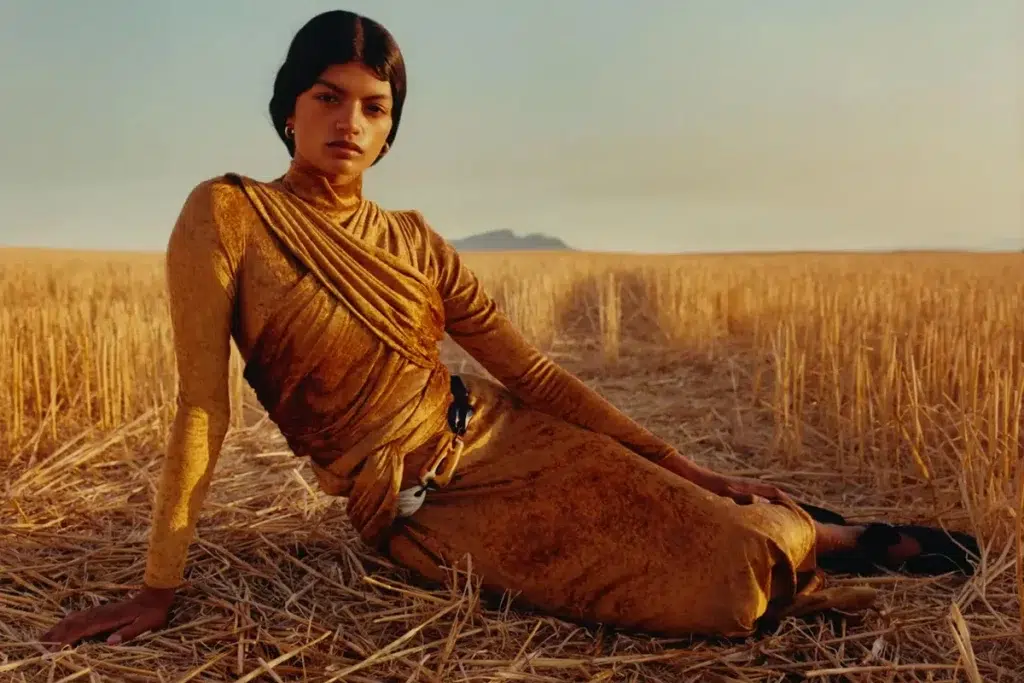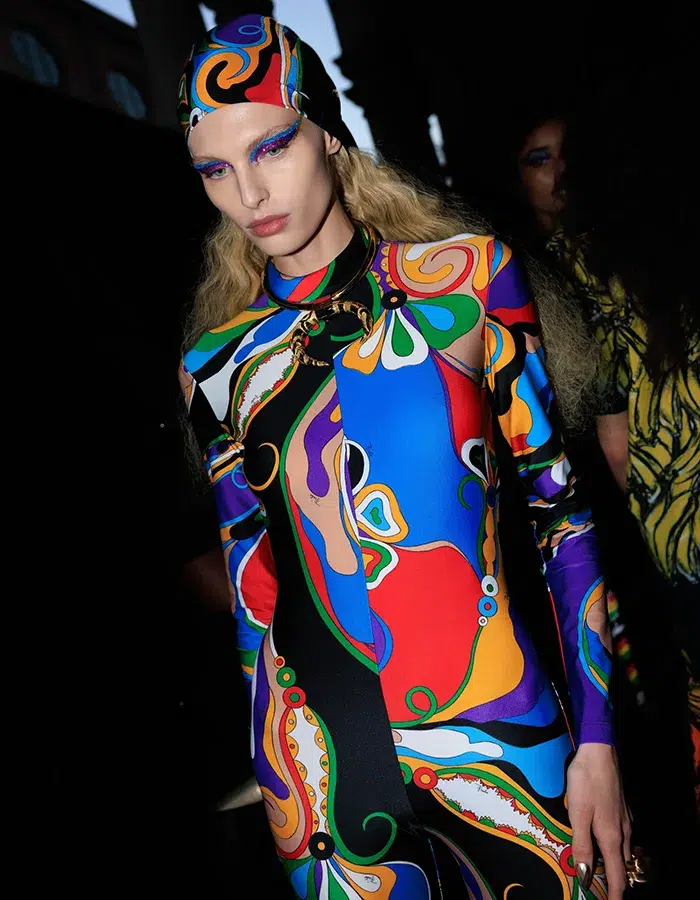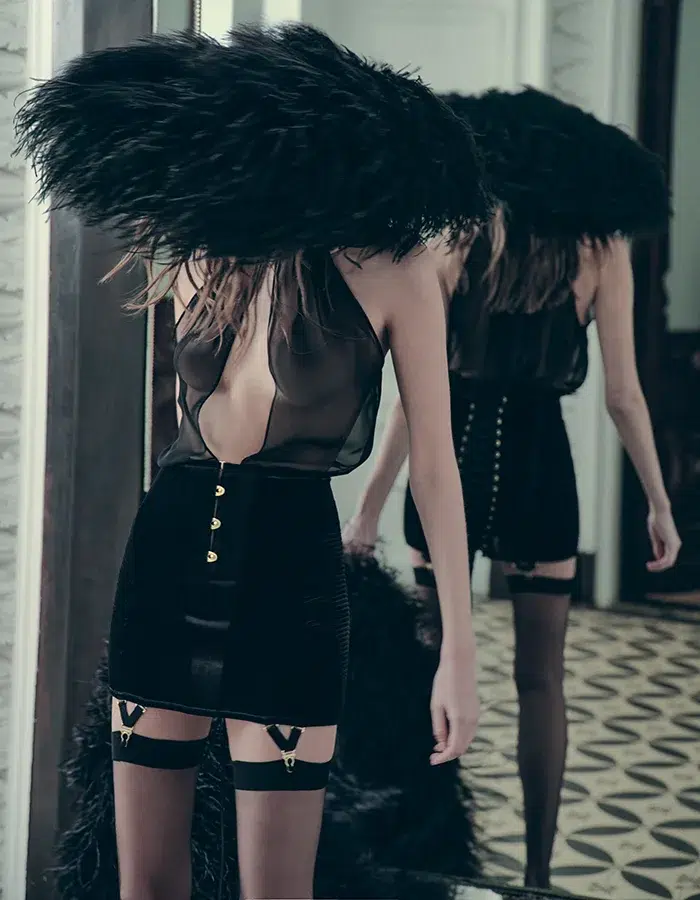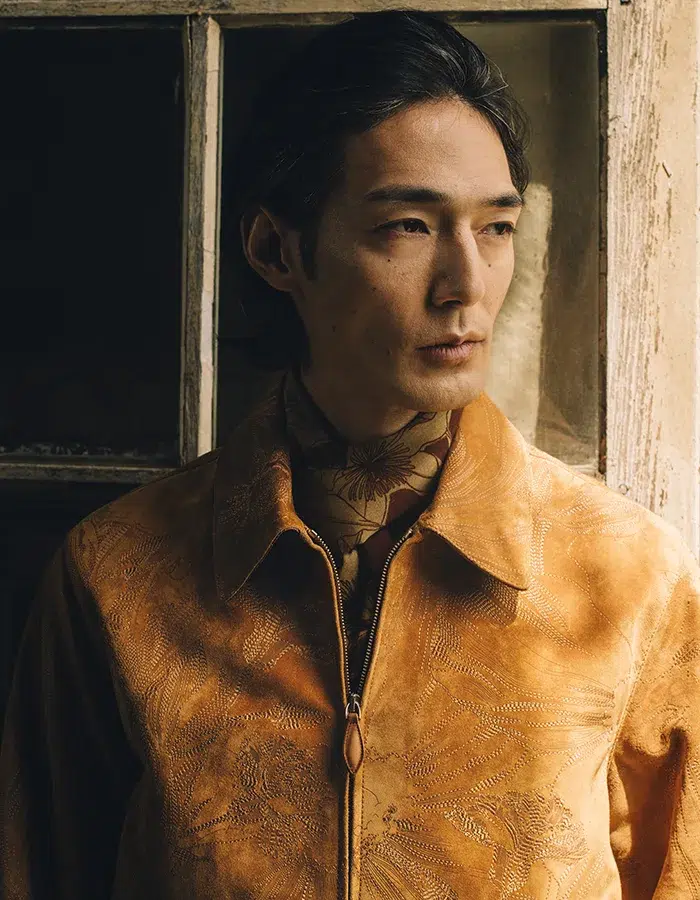


For the past few years, a unique movement has been sweeping across the haute couture runways: a generation of designers who are no longer content with simply borrowing "African" motifs in a broad sense, but who draw directly from specific ethnic traditions—Xhosa, Maasai, Fulani, Zulu, Tuareg—and bring them into dialogue with the codes of international fashion. Far from mere decorative folklore, this approach represents a genuine reappropriation: it is often the direct descendants of these cultures who carry their roots to the catwalks of Paris, Milan, or London.


Imane Ayissi, the pioneer of Parisian couture
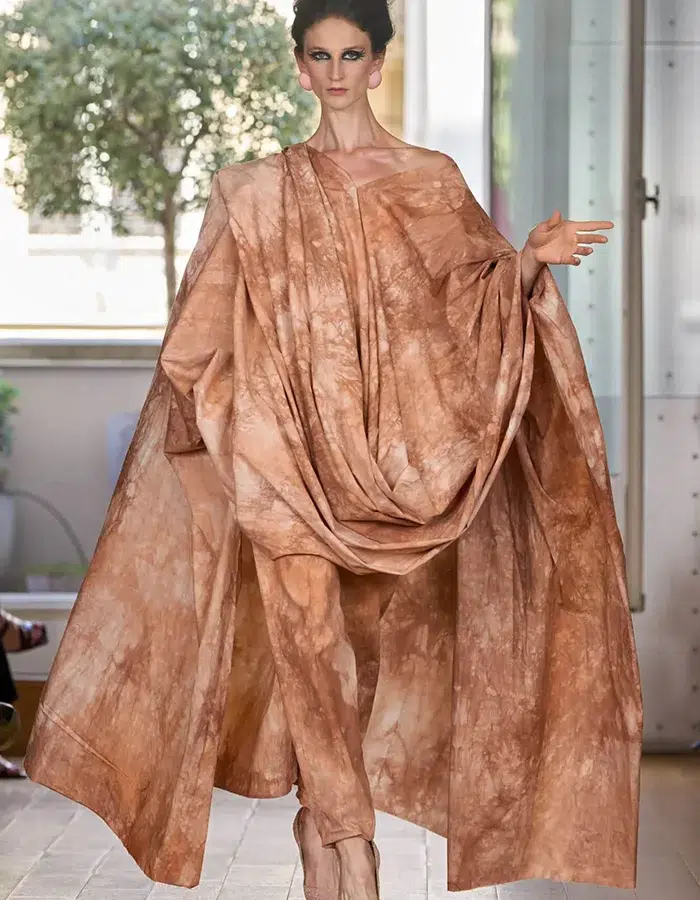
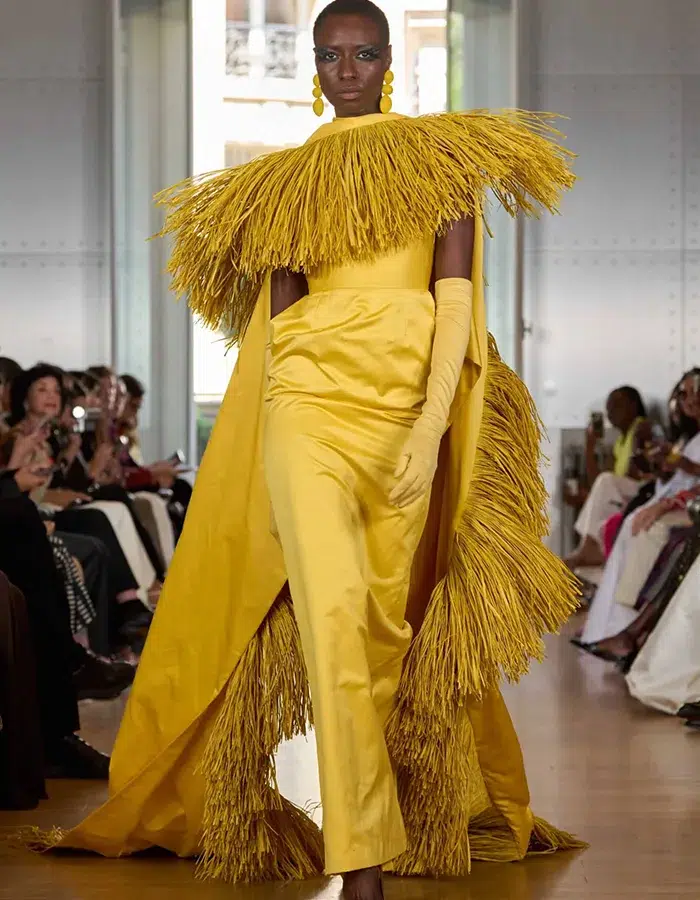
It's impossible to discuss this movement without mentioning Imane Ayissi. This Cameroonian designer is the first Black African to present his collections within the official framework of Parisian haute couture, as a guest member of the Chambre Syndicale de la Haute Couture. His signature style: traditional artisanal materials—raffia, Malian bogolan, and handwoven Faso Dan Fani from Burkina Faso—transformed into sculptural couture pieces. His collections even bear names drawn directly from local languages (Mbeuk Idourrou, Mindzing, Abeung Sanda Iyé), as if to anchor each show in a specific geography and memory rather than in a generic "Africanness."

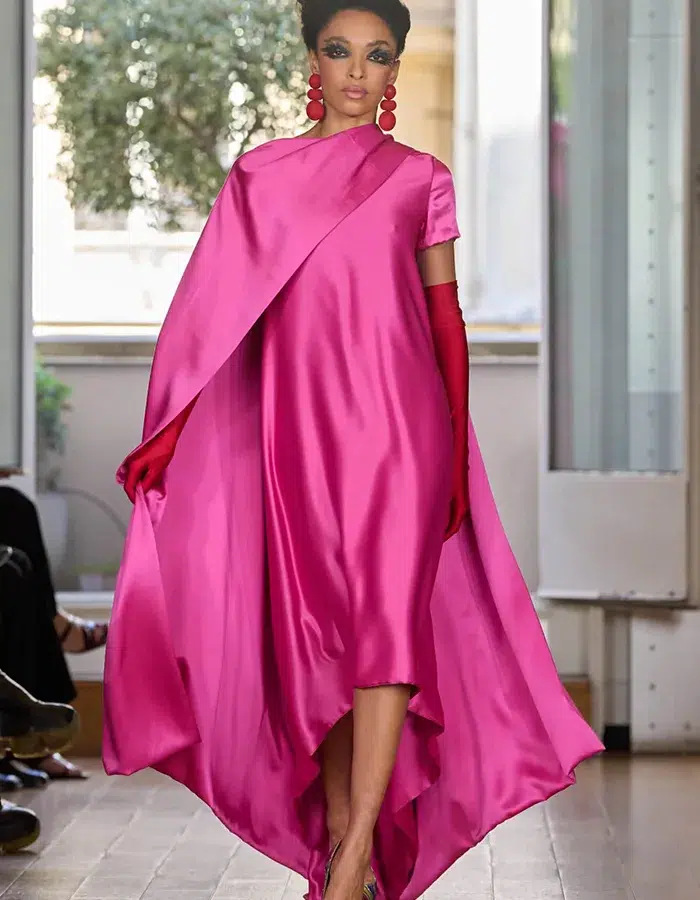
Laduma Ngxokolo and the reinvented Xhosa ritual (MaXhosa)
South African designer Laduma Ngxokolo started with a deeply personal concept: a Xhosa rite of passage into adulthood, during which young men traditionally wear knitted garments with specific patterns. He reinvented these ancestral knits, making them the signature of his brand, MaXhosa—now worn by international icons and distinguished by major fashion awards. Here, it's not the pattern that is copied, but an entire social ritual that becomes the raw material for his creative work.


Thebe Magugu and Lukhanyo Mdingi, South African memory
A leading figure on the South African scene, Thebe Magugu constructs his collections like veritable archival works. Each season is often an opportunity to explore a specific aspect of the country's history—family memories, the legacy of apartheid, Zulu or Afrikaner clothing traditions—translated into resolutely contemporary silhouettes. This research-driven approach has earned him international acclaim, praised by celebrities such as Beyoncé and Alicia Keys.

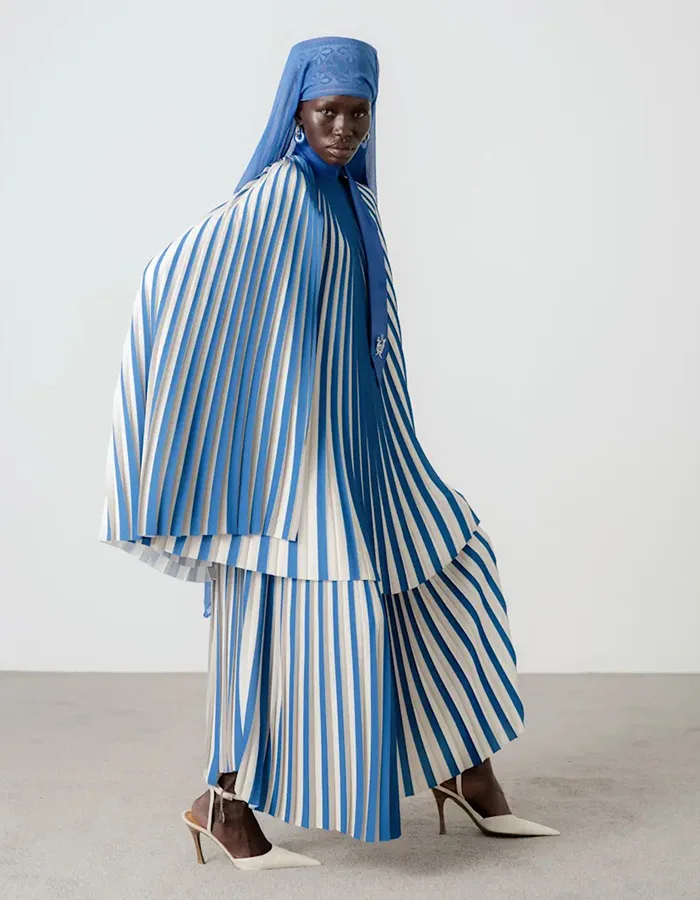
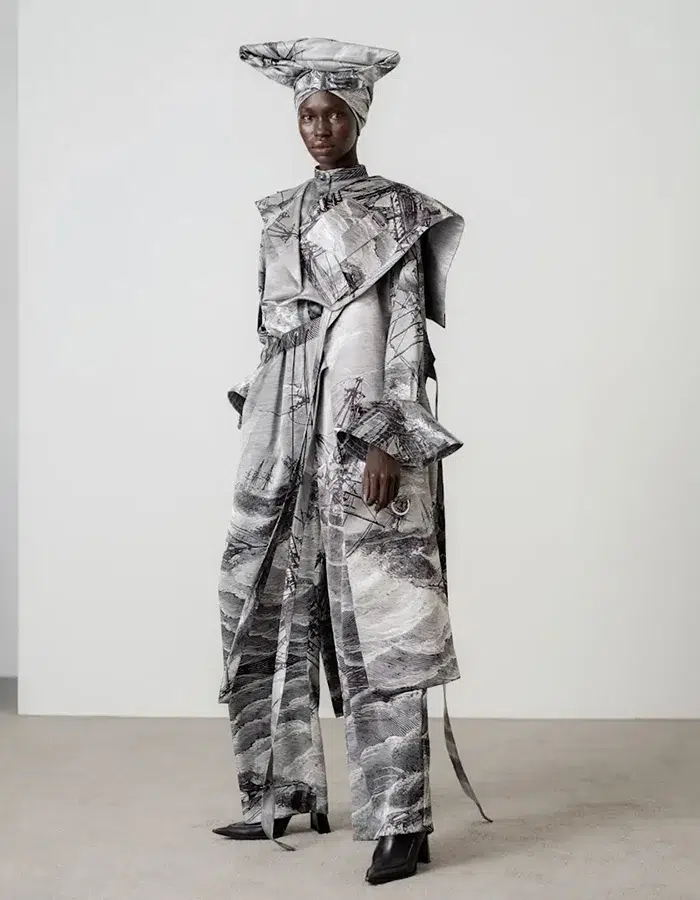

Lukhanyo Mdingi, another key voice of this new generation, also embraces a process of memory and transmission. His work draws on the craftsmanship and textile expertise of the African continent, which he places in dialogue with a minimalist and timeless elegance. Through fine materials and collaborations with local artisans, he explores contemporary South African identity while highlighting a cultural heritage often overlooked on the international fashion scene.

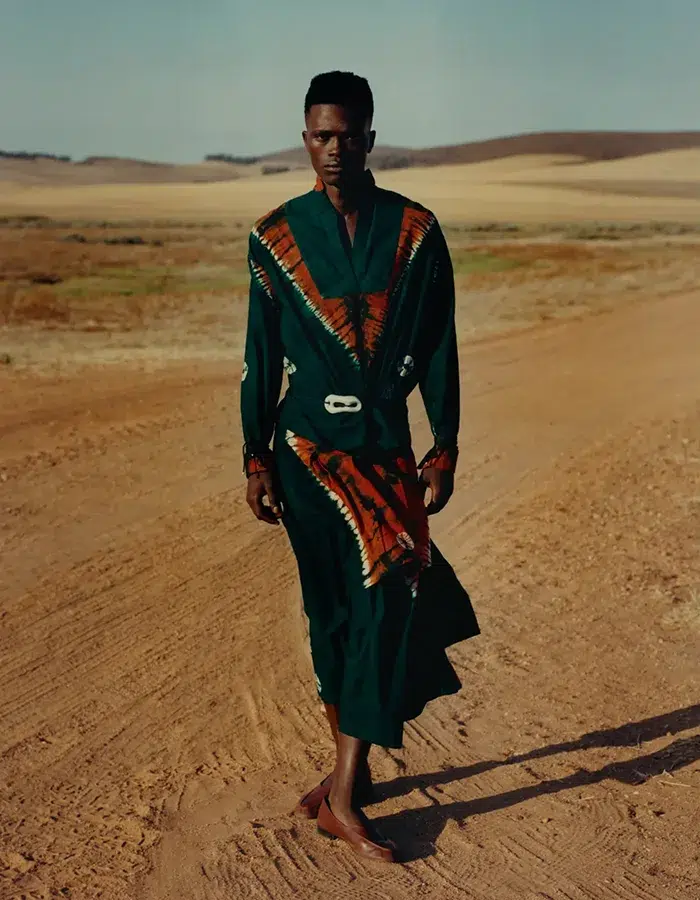


A historical counterpoint: Yves Saint Laurent's "Bambara" collection (1967)
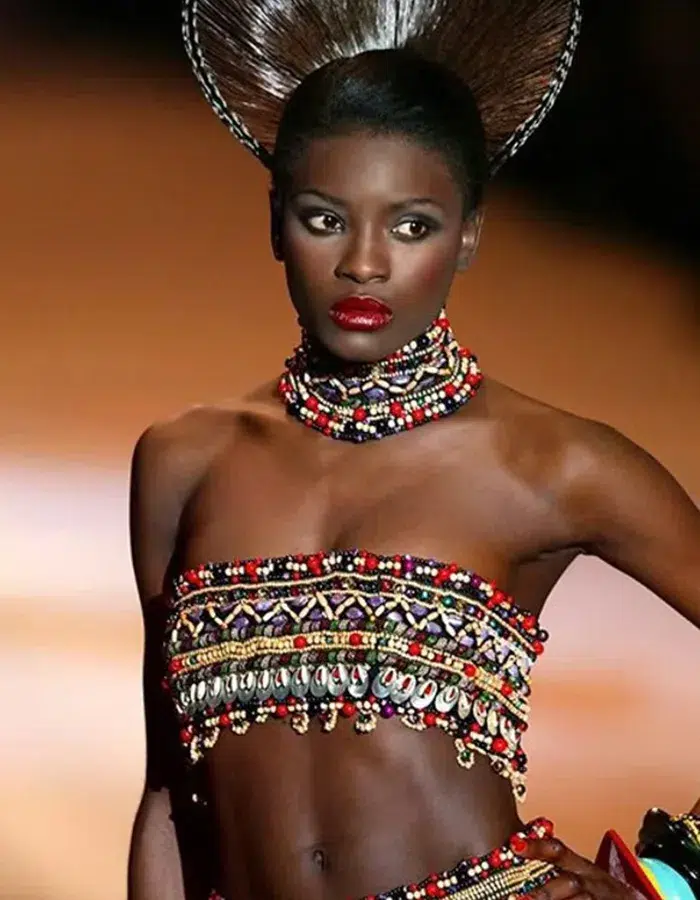
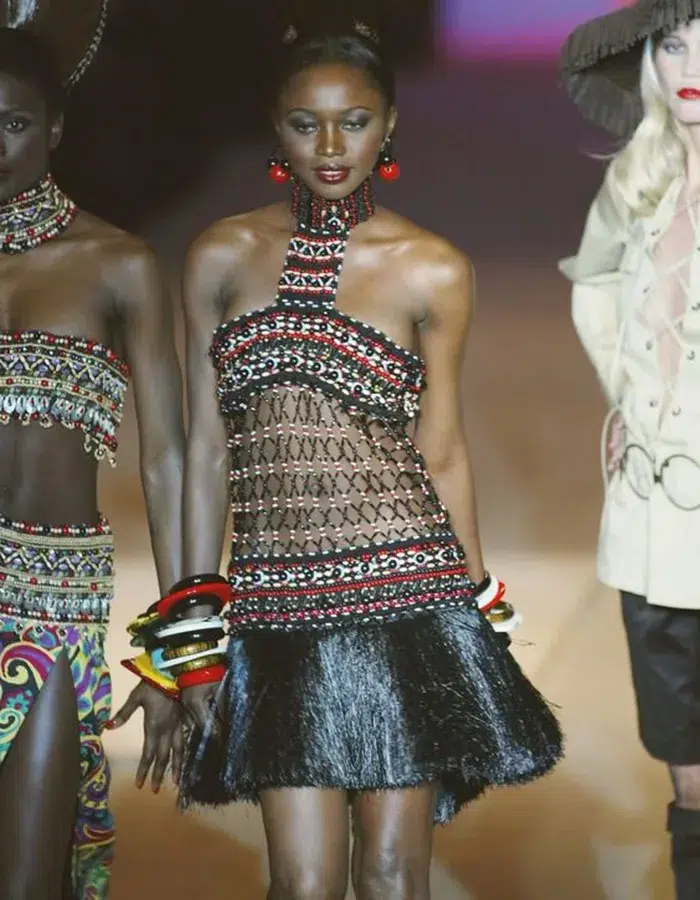
This current movement is best viewed in the context of a famous precedent: in 1967, Yves Saint Laurent presented his "Bambara" collection, a tribute to traditional Malian masks and dresses. The gesture made fashion history, but it represented an outsider's perspective on Africa. The essential difference with the current generation—Ayissi, Ngxokolo, Magugu, Alphadi—lies precisely here: these are designers who speak about their own culture from within, rather than a culture observed and referenced from the outside.

What this movement tells us
What distinguishes this wave of designers from the more commercial "Afro-inspired" trends (wax prints, boubou silhouettes revisited in streetwear) is the precision of the reference: they are not talking about a generic "Africa," but about a people, a ritual, a technique that is named and embraced. Haute couture then becomes a space where an ancient—sometimes millennia-old—sausage heritage is not frozen in a display case, but set in motion, worn, and reinvented season after season.