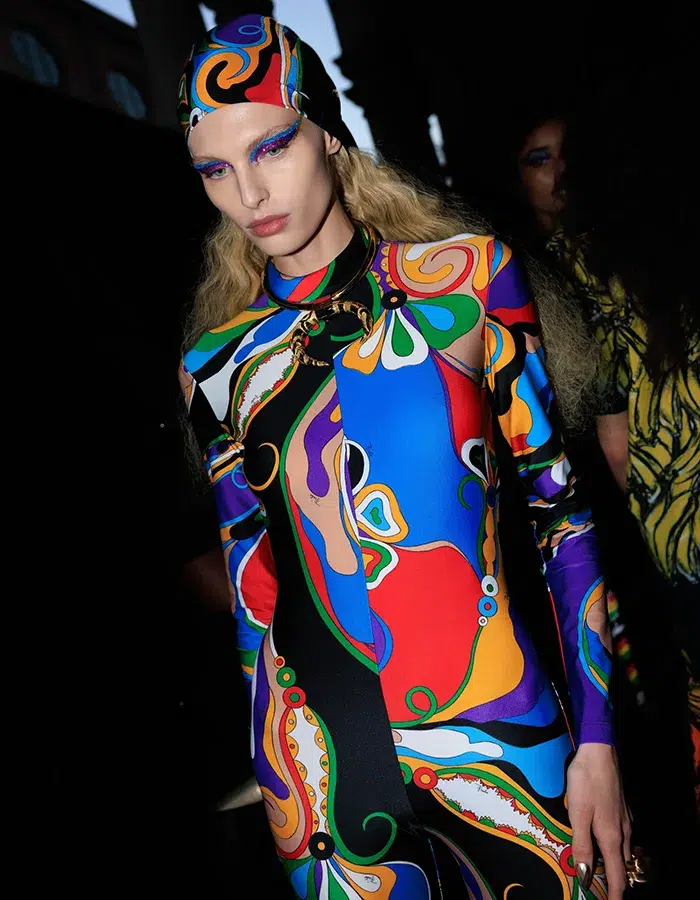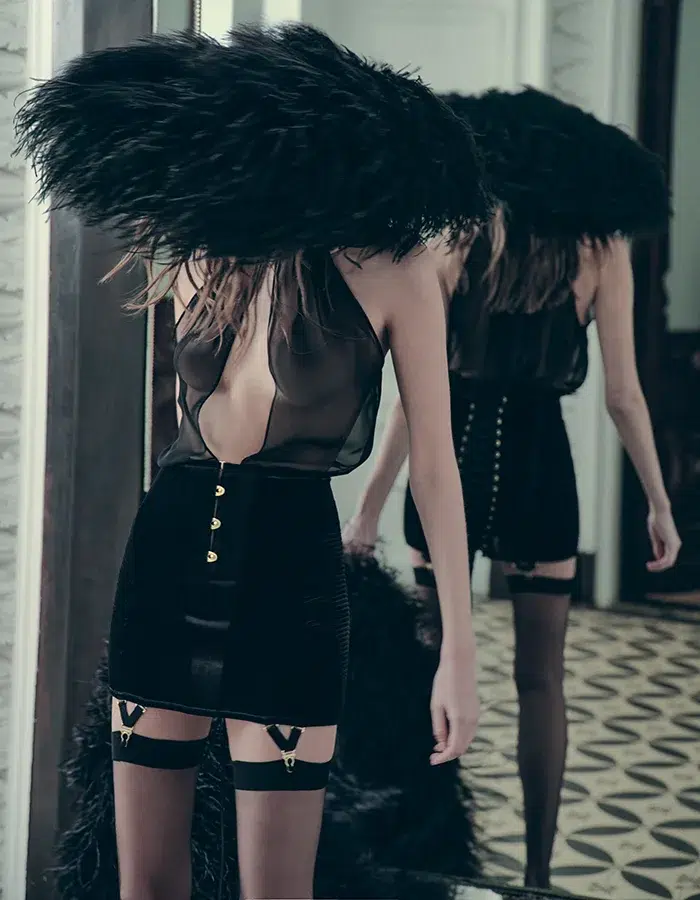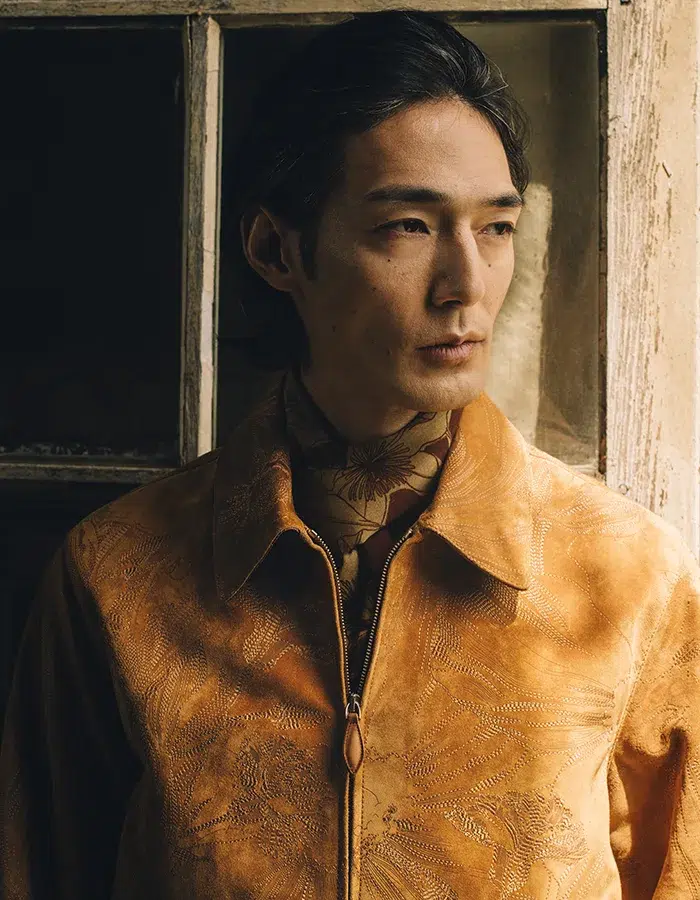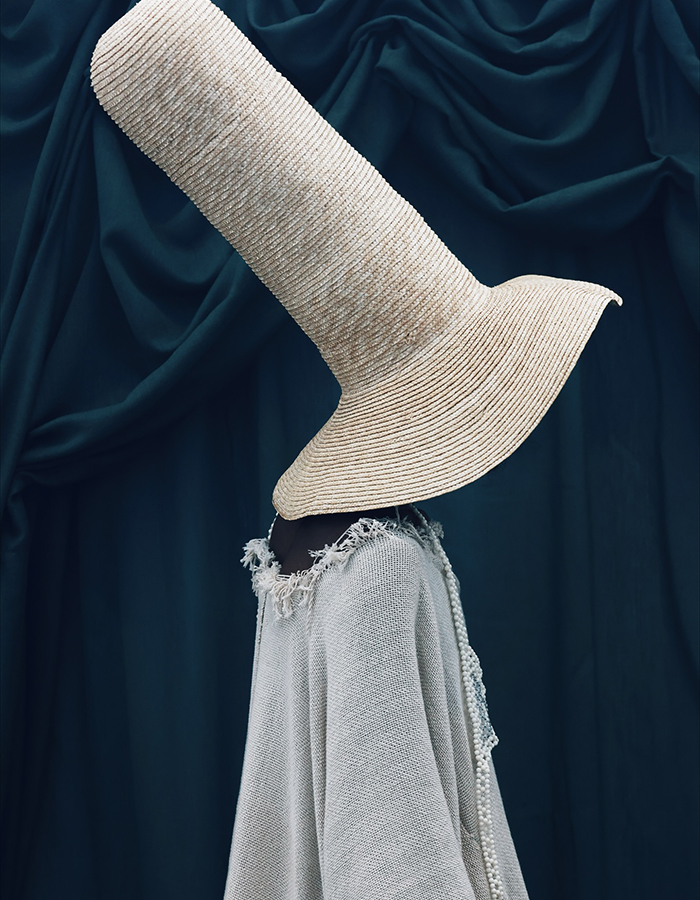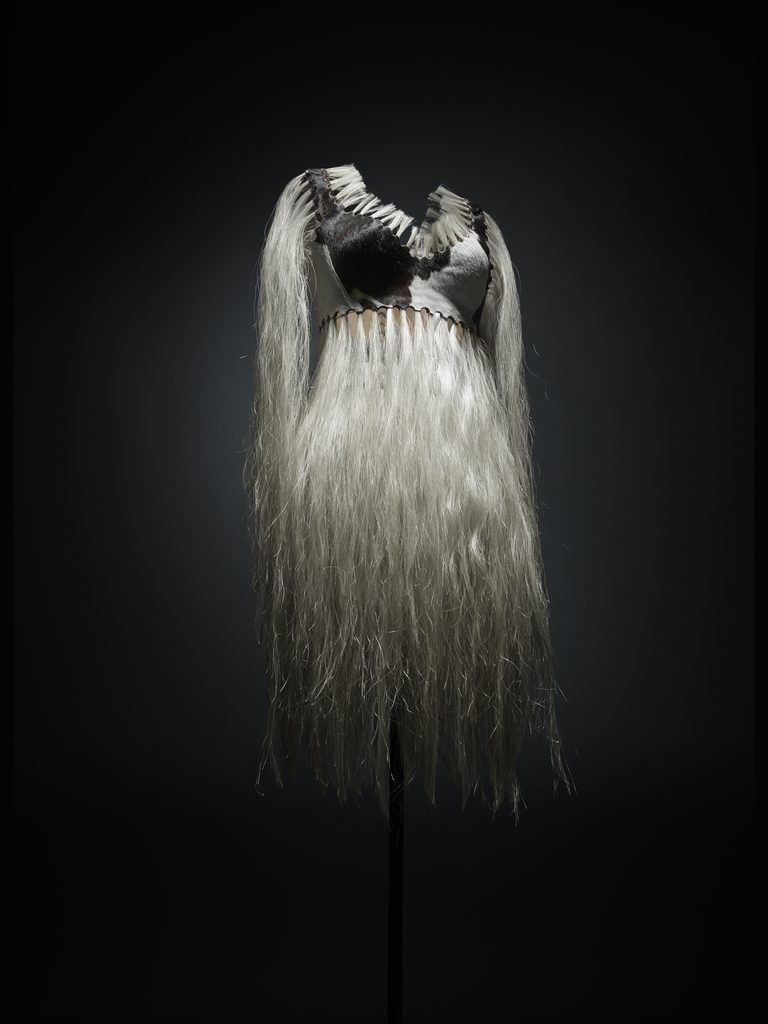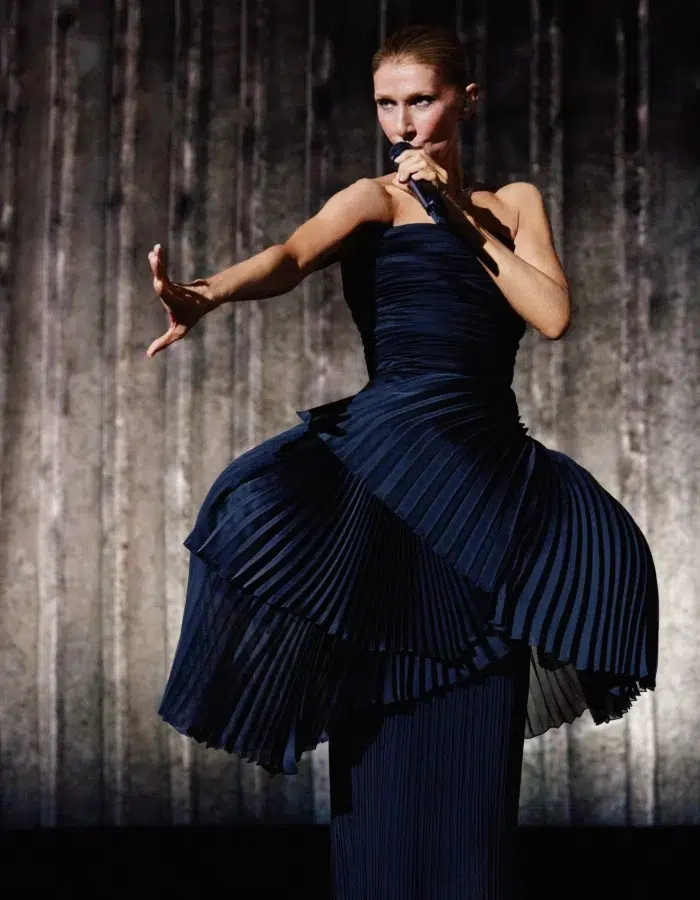
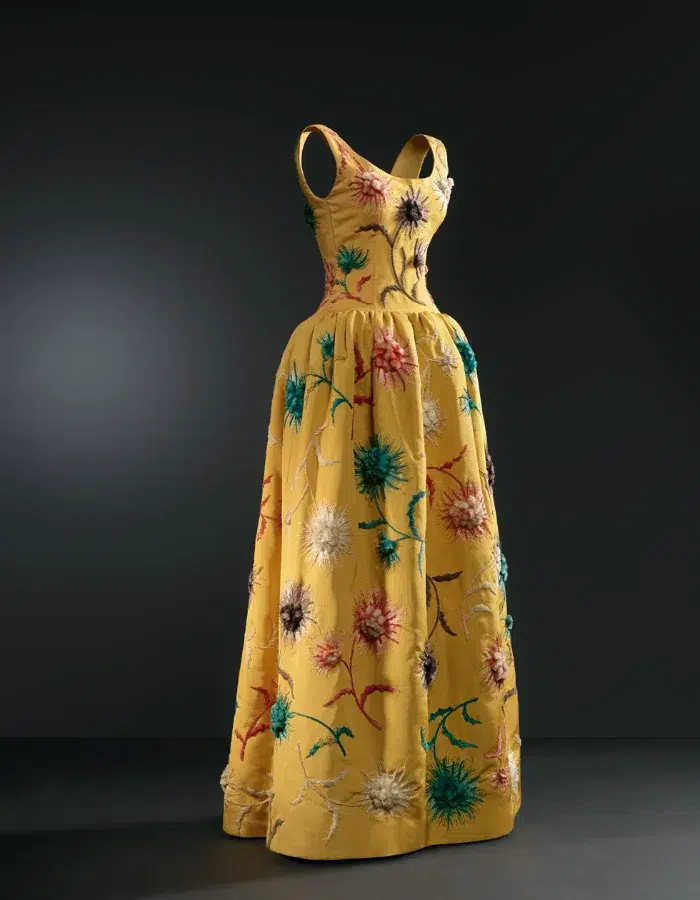
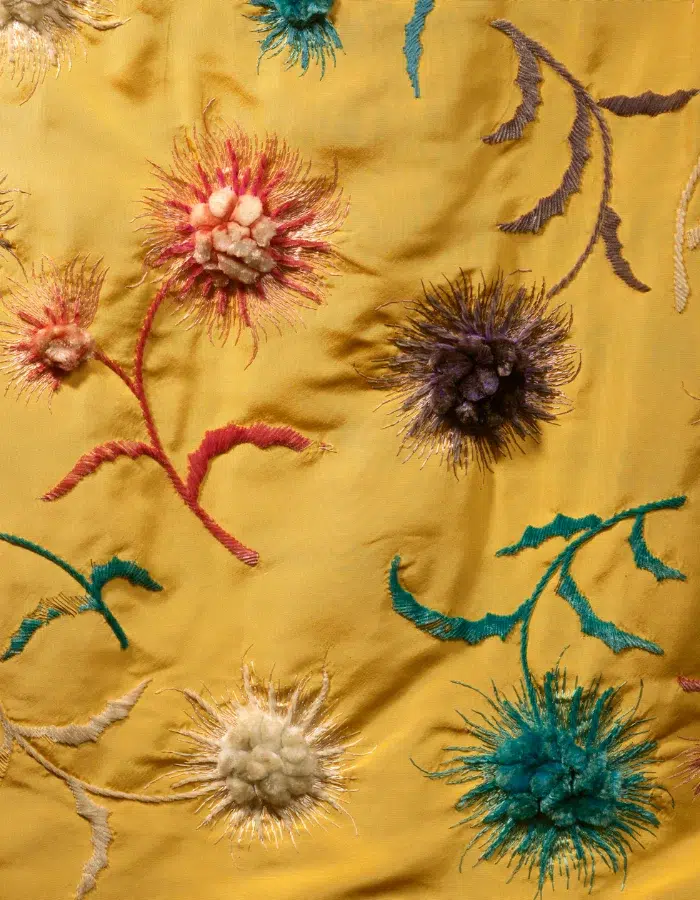
Until February 22, 2027, the Cristóbal Balenciaga Museum in Getaria brings together for the first time the creations of Balenciaga and Givenchy in an exhibition that tells the story of a family, more than just an influence.

“They are always more alike than different; they resemble each other more than anyone else. One is the elder, the other the younger: they are always, without a doubt, the Givenchiaga family.” In 1960, British journalist Katharine Whitehorn probably never imagined that her phrase, published in The Observer , would one day lend its title to an exhibition. Yet it is under this name, “The Givenchiaga Family,” that the Cristóbal Balenciaga Museum pays tribute to the relationship that united two of the greatest names in 20th-century haute couture.
At the heart of the matter: the stylistic affinity, professional complicity and personal friendship that linked Cristóbal Balenciaga (1895-1972) and Hubert de Givenchy (1927-2018) during sixteen decisive years, from 1956 to 1972. The exhibition does not simply place two wardrobes side by side: it retraces a transmission, that of a master to the one who would remain his most faithful disciple, until becoming the guardian of his legacy.
The choice of the closing date is not insignificant. February 22, 2027 will mark the 111th anniversary of Hubert de Givenchy's birth, a final nod before the international celebrations planned for his centenary.
The exhibition is organized by the Cristóbal Balenciaga Foundation, with the collaboration of Givenchy Paris, Kutxa Fundazioa, EITB, Cardiva, El Diario Vasco and Alfa.
It is placed under the police command of Igor Uria, whom we met.
© GIVENCHY. PARIS
"My voice is reflected in the choice of pieces, but always with the intention that it goes unnoticed."
Interview with Igor Uria, curator of the exhibition
When did the idea of combining Balenciaga and Givenchy in the same exhibition come to you?
Throughout his life and in all the interviews and statements he made public, Givenchy always spoke of Balenciaga with the greatest respect and admiration; until the end of his life, he worked to perpetuate the legacy of the master of haute couture, being one of the main promoters of the Cristóbal Balenciaga Museum.
This struck me as a magnificent tribute to these two couturiers. “The Givenchyaga Family” is an early tribute on the occasion of the centenary of Hubert de Givenchy’s birth; the couturier will thus be honored by numerous international institutions throughout 2027. The Getaria Museum is keen to celebrate his legacy and his contribution to the world of creativity and design.
The exhibition is also part of the "Encounters" series that the museum has been developing for several years as part of its temporary exhibition program, and to which it dedicates one of its rooms. Its aim is to complement the experience of visiting this museum dedicated to the designer and to allow for a deeper understanding of Balenciaga's biography and work, while also offering the opportunity to broaden this perspective through dialogue with other designers, other disciplines, and other collections.
What gave rise to this project?
Hubert de Givenchy amassed a significant personal collection of pieces created by Balenciaga. More than a mere act of collecting, this endeavor served a clear purpose: to preserve the tangible evidence of the designer's work and prevent it from being dispersed or lost over time. For Givenchy, these garments affirmed Balenciaga's importance in the history of fashion and represented irreplaceable examples of the technical rigor and formal innovation that characterized his work.
This commitment led to his decisive participation in the creation of the Cristóbal Balenciaga Foundation, established with the aim of studying, preserving and disseminating the work of the designer, and which resulted in the inauguration of the museum in 2011. It was to this museum that he donated his collection of Balenciaga-signed clothing and his collection of historical fashion magazines, totaling 450 pieces which the museum center now preserves.
Until his death in 2018, Givenchy continued to actively support the museum's initiatives and participate in exhibition projects dedicated to the work of his friend and mentor, thus reaffirming a loyalty that transcended time and is now an integral part of fashion history. It was entirely natural for the museum to deepen this relationship and offer a fresh perspective on the work of Hubert de Givenchy.
You are interested in the period 1956-1972. Why specifically these sixteen years? In what way are they so crucial in the relationship between the two houses?
We are focusing on this particular period because these are the years during which the two designers maintained a relationship while they were alive. They met in 1953 thanks to Patricia López-Wilshaw, a Chilean socialite and haute couture client, who introduced them in New York. From then on, they forged a relationship that was not only professional and commercial, but also marked by friendship and respect. This ultimately had a decisive influence on Givenchy's creative and formal output, and from 1956 onward, his work began to noticeably reflect the influence the Basque designer had exerted on him. This is an element that shines through throughout the Frenchman's work. During this period, both journalists and major American buyers highlighted the similarities reflected in the creations of the two haute couture houses. This is the origin of the title that now serves as the guiding thread for the exhibition: "The Givenchiaga Family." In 1968, Cristóbal distanced himself from haute couture, but the relationship between the two couturiers continued. We conclude this period in 1972, the year of Cristóbal Balenciaga's death and the year in which Hubert de Givenchy presented his summer collection in homage to his friend and mentor, some of whose designs are featured in this exhibition.
By focusing on these years, we can show, through the work of these two creators, not only the very special relationship that united them, but also deepen our understanding of the fashion of the time, that of the 50s and 60s of the 20th century, which undoubtedly constitute the golden age of haute couture.
Balenciaga is often presented as the master and Givenchy as the disciple. Does your exhibition offer a more nuanced interpretation? Was there an influence in both directions?
Cristóbal Balenciaga transcended the dominant silhouette of the mid-50s — immortalized by Dior's New Look — by focusing on volume, freedom of the body and an architectural approach to clothing.
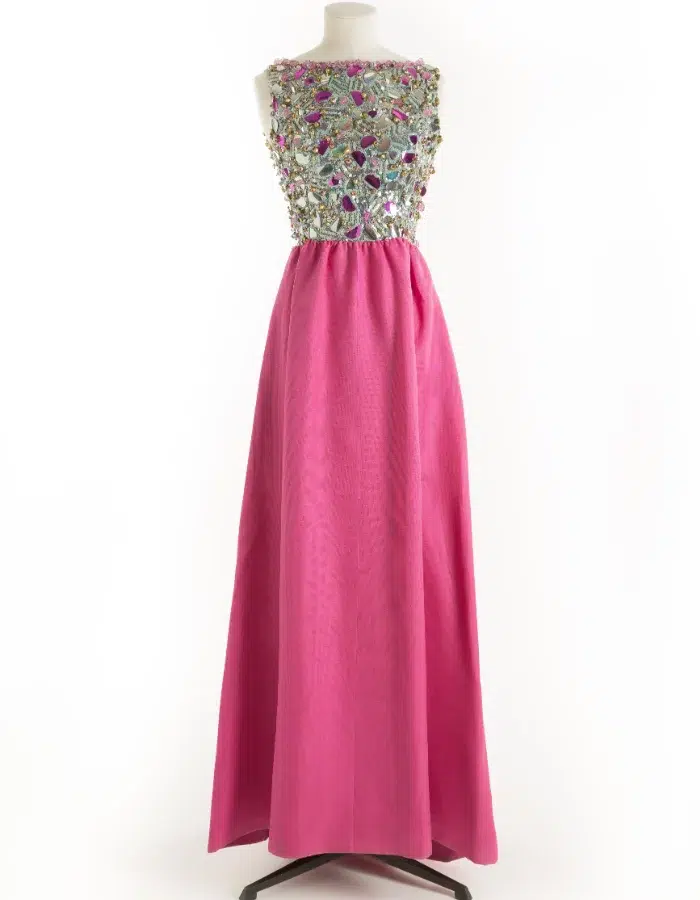
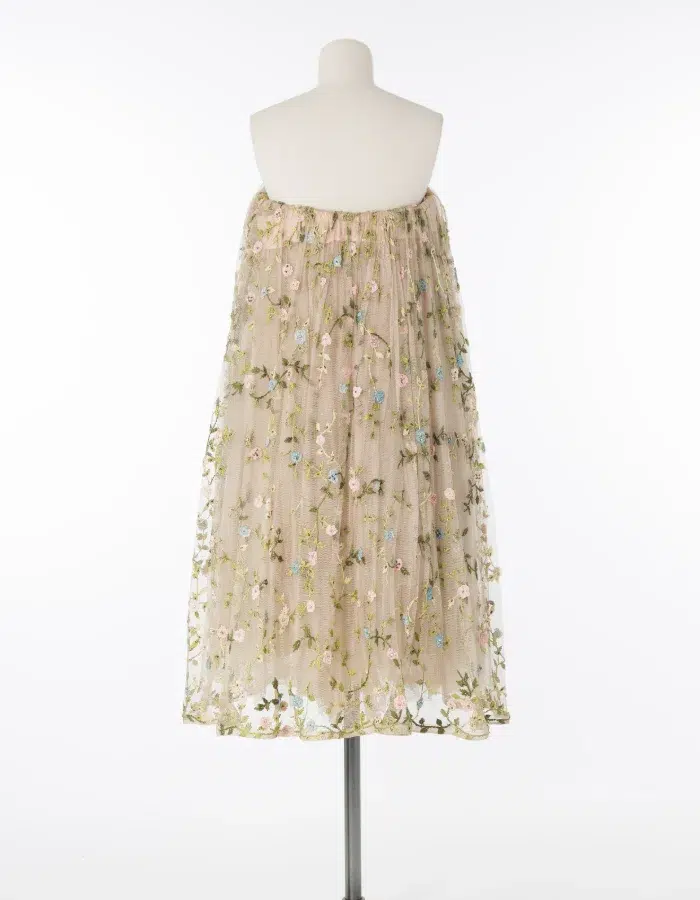
The austere elegance of the tunic, the deliberate curve of the puffed backs, the trapezoidal geometry of the "babydoll" dress, the impeccable cut of the suits and coats, the richness of the embroidery, the freedom of the wrap dresses and the architecture of the clean lines and deceptive simplicity of the evening dresses are among these precious lessons, passed down by Balenciaga and cherished by Givenchy.
All stem from one essential maxim: to understand and love fabric; and within them lies a desire for freedom and independence, as well as the philosophy of pursuing an idea until it reaches perfection.
Givenchy adapts and evolves them according to his own style, perhaps appealing to a different, younger woman, but enjoying the same social status and the same appreciation of beauty and harmony as Balenciaga's clientele.
Creatively, his collections, especially from 1956 onwards, reflected a common formal approach, the same innovative spirit and a conception of fashion where beauty, harmony and elegance were supreme values.
They also shared business strategies, such as organizing their fashion shows a month after other fashion houses from 1956 onwards, providing the press with their own photographs and sketches, presenting their summer collections jointly at the Ambassador Hotel in New York, or even establishing their boutiques on the same street, from 1959 onwards, with GIVENCHY setting up shop just opposite BALENCIAGA, at No. 3 Avenue George V.
Hubert de Givenchy's admiration for Cristóbal Balenciaga, combined with his unwavering attention to the advice of this reserved yet profoundly pedagogical master of haute couture, made him his closest disciple, even though he never worked in his atelier. Thus, when Balenciaga decided to retire in 1968, he facilitated the transfer of some of his trusted staff and some of his most loyal clients to the House of Givenchy.
Hubert de Givenchy always considered Cristóbal Balenciaga his spiritual father, his mentor, the one who introduced him to the world of haute couture. The exhibition supports this view, which is reflected in the unique perspectives of each of them, stemming from both their generational differences and their respective career paths. Balenciaga listened to Hubert de Givenchy and appreciated the passion and interest in the craft that the young designer conveyed, before reversing the roles and showing him his vision of elegance and harmony in volumes and silhouettes that would transform 20th-century fashion.
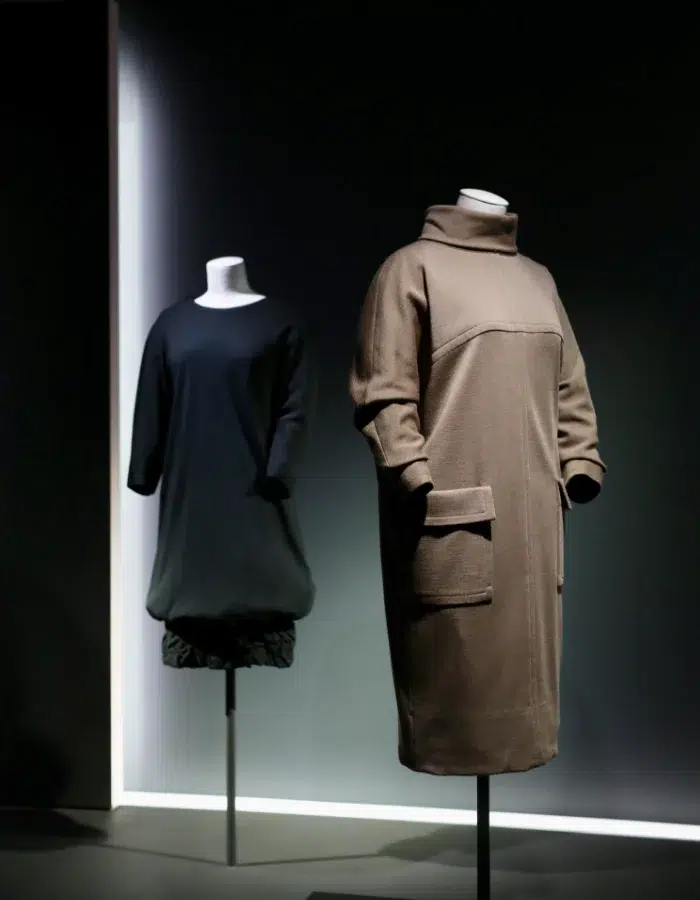
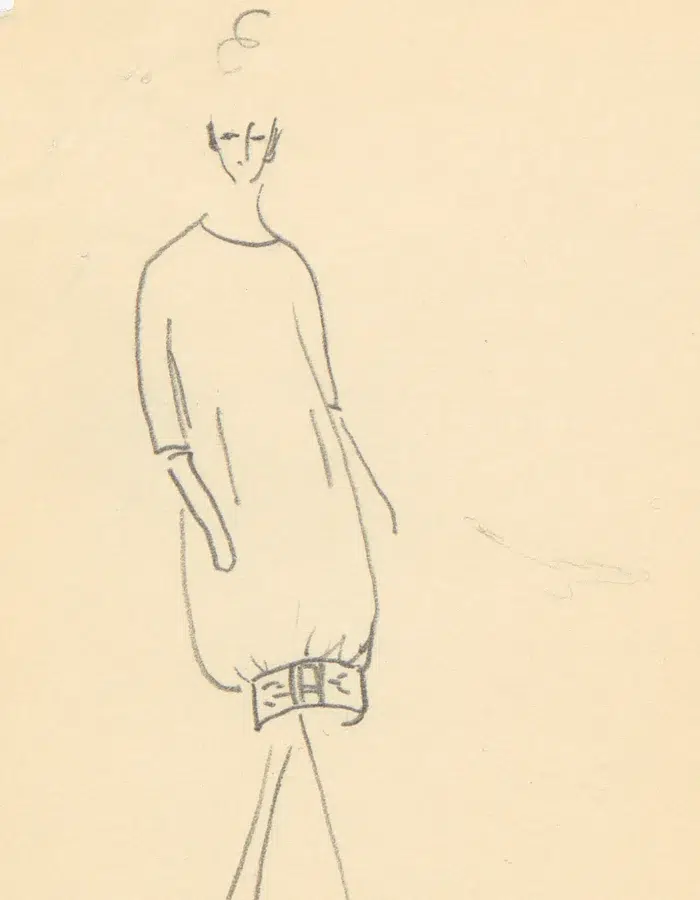
Is there a direct confrontation in the journey (two silhouettes, two cuts) where the resemblance is particularly striking and which stood out to you?
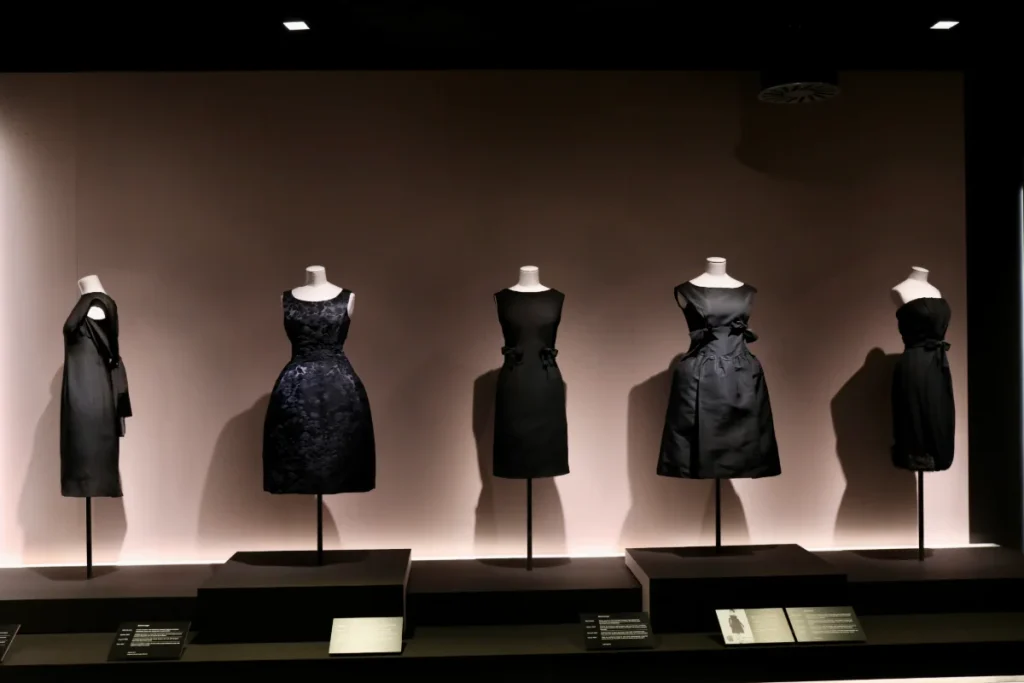
The exhibition presents Givenchy's interpretations of the revolutionary lines that characterize Balenciaga's work: the tunic, the bag and the "babydoll".
The tunic presented by Cristóbal Balenciaga in February 1955 was considered a true revolution by the fashion press of the time. Composed of two pieces, it created a streamlined silhouette, seemingly comfortable and suited to the modern woman, while simultaneously enhancing elegant and sophisticated gestures. Its influence on other designers was evident in subsequent collections. Hubert de Givenchy incorporated several features of the tunic line into his designs, emphasizing the central line of the silhouette with a skirt fitted at the knees and promoting freedom of movement.
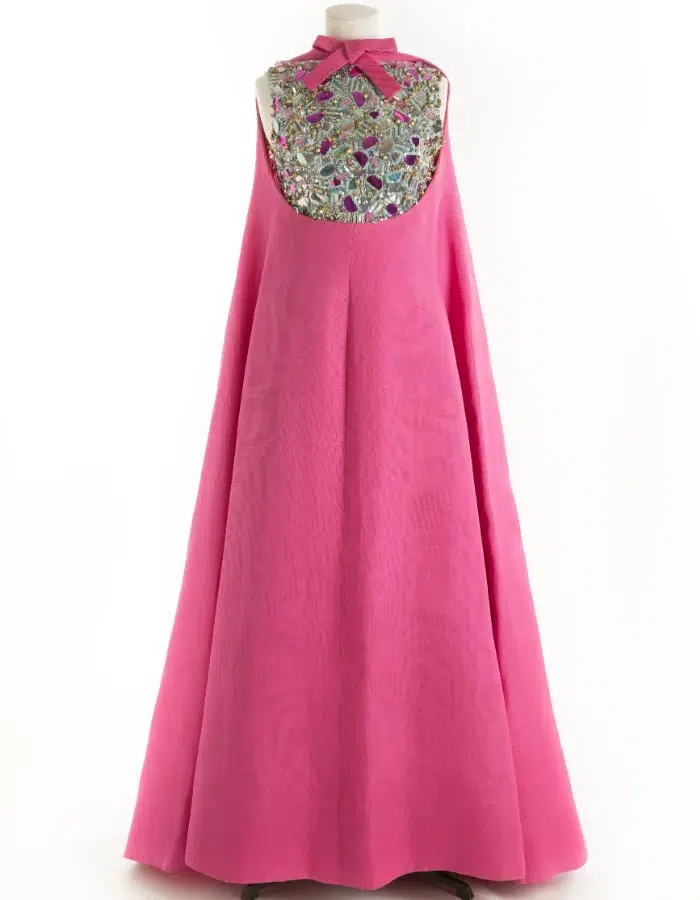
In Balenciaga's subsequent collections, the impact of the bag, introduced in 1957, was undeniable, eliciting criticism, covetousness, and admiration. The bag's enveloping silhouette abstracts the female form while highlighting femininity with sophistication and refinement. Givenchy's offering provided a vision more in tune with new generations, creating a daytime version in mesh that accentuated the neck and proved both comfortable and elegant.
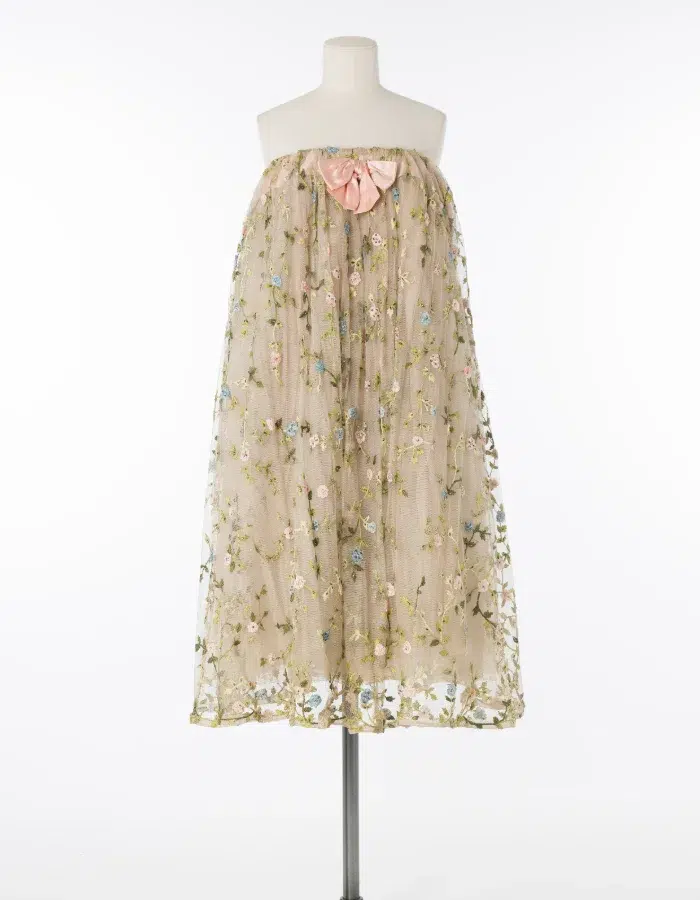
This gradual evolution of the silhouette gave rise to a series of designs that were both controversial and admired, such as the "babydoll" dress, launched in 1958, in which the two designers emphasized the importance of the space between the outer silhouette and the inner silhouette of the garment.
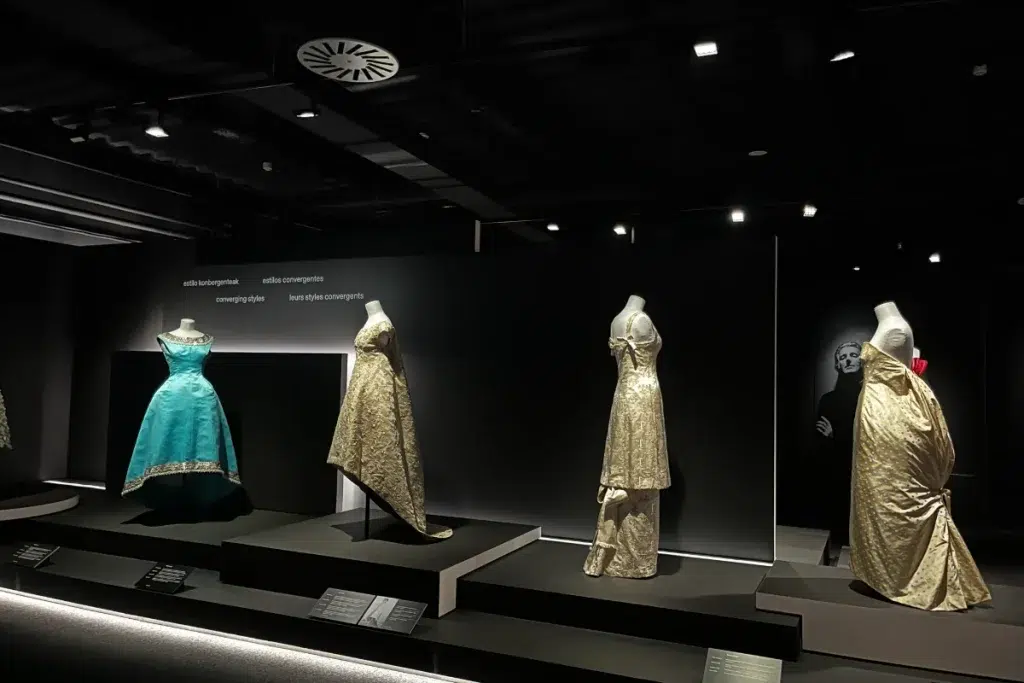
From 1957 onwards, both designers presented models with a clear asymmetry in the hem: at Balenciaga, this was achieved by a longer back hem compared to the front, while at Givenchy, it was more pronounced. These are the models that the press would later dub "peacock tail."
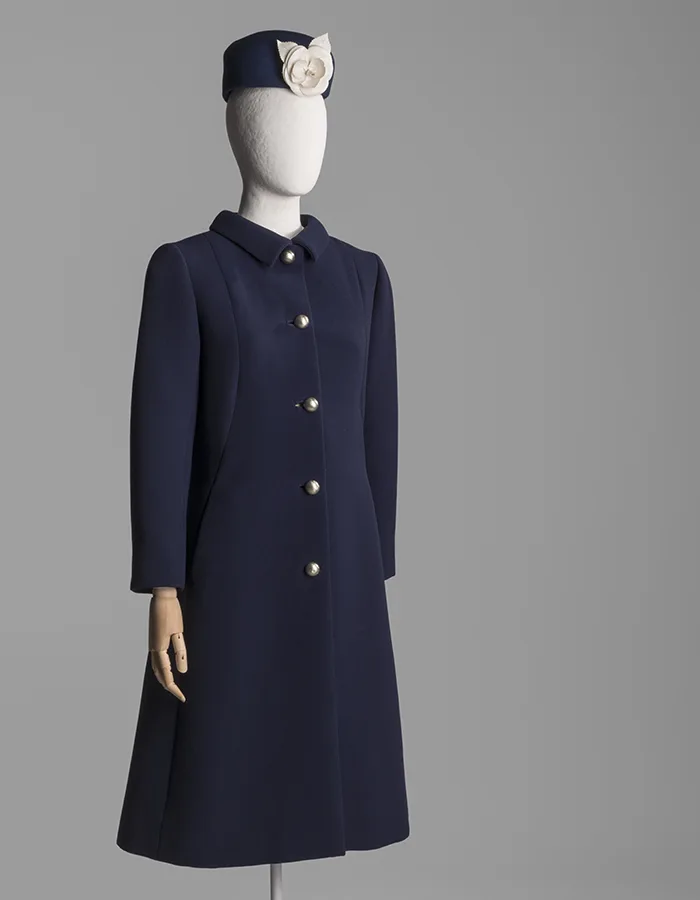
In the final section of the exhibition, two coats are displayed side by side. The first is a navy blue wool twill coat by Balenciaga, made in 1968. The second, also in navy blue wool twill, is distinguished this time by the grid of white lines characteristic of Givenchy; it was made in 1969.
For both coats, the pattern is the same; that is, they were made from the pattern developed, marked, and tailored by Balenciaga for his latest collection. Although the "quadrill" coat is a garment made in the workshops at No. 3 Avenue George V, as the label indicates, it is not a model presented in the collection. Rather, it was commissioned by a client, Mrs. Rachel Lambert Mellon, relayed by Cristóbal Balenciaga himself, who wanted the coat she had purchased a year earlier to be made again for her. However, Givenchy's influence is evident in details such as the collar finish, the spacing between the buttons, and the sleeve cut.
Overall, these are two pieces with many similarities, which perfectly illustrate the influence that the Basque designer exerted on Givenchy and the way in which he distinguished himself through small details.
The knowledge passed down by Cristóbal Balenciaga was not limited to aesthetic concepts and the interaction between the body and its environment. He even invited several of his seamstresses and assistants to join the House of Givenchy; it is therefore not surprising that after the closure of the Balenciaga fashion house in the summer of 1968, many of these seamstresses and assistants were hired by the house located directly across the street from the one where they had worked for many years. This was the case for Felisa Urdanibia who, after working alongside the master of haute couture for more than two decades, accepted Hubert de Givenchy's offer and became the couturier in charge of some of the creations presented in this exhibition from the haute couture house.
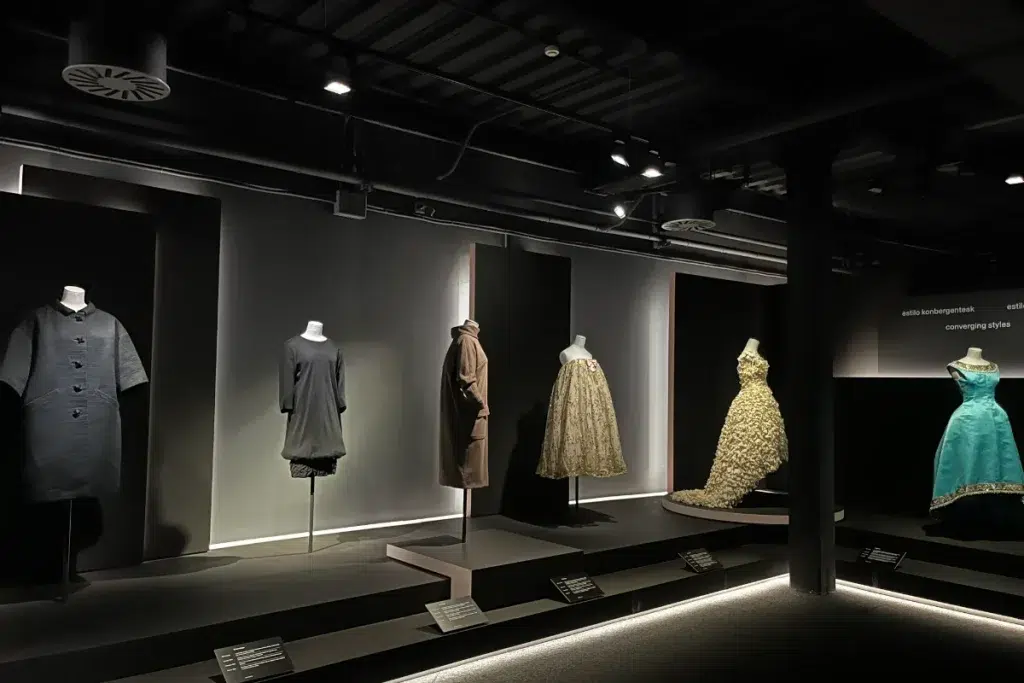
Carrying on the legacy of two fashion giants is a considerable responsibility. How do you manage to maintain your own voice in this endeavor?
I am flattered that you equate the exhibition's narrative, as a distinct voice, with the presence, value, and strength of these two masters of haute couture. However, I believe that one of the exhibition's objectives was to highlight this relationship in which beauty, elegance, and harmony shone through in their creations.
This exhibition illustrates our working method by consciously embodying Balenciaga's values: discretion, respect, and rigor. Like the master of Getaria who presented his collections, the aim of the exhibitions I curate is to shed light, through academic rigor, while remaining in the background. The essential element is the exhibition itself, the narrative, and the content that complements it, without drawing attention to the person presenting it; only the venue deserves to be highlighted: the Cristóbal Balenciaga Museum, which dedicates its entire being and expertise to the preservation and dissemination of the couturier's life and work.
The task of mounting an exhibition of this kind is precisely to ensure that the dialogue between these two masters of haute couture is heard and understood. It's about mediating between the two bodies of work, not speaking up to narrate what they are saying. To preserve this voice, the key is to ensure that the visitor fully grasps what we want to convey and perceives what the two couturiers are saying beyond what the curator says. Here, my voice is reflected in the choice of pieces, the design of the space, and the thoughtful and careful juxtaposition of each work, but always with the intention that it remains unobtrusive and that the conversation between the two men within the museum can be heard clearly and distinctly.
I believe this exhibition is one of the first to approach the figure and work of Hubert de Givenchy without his presence, without his perspective on what he created throughout his fruitful career. Until now, almost all exhibitions devoted to the French couturier had been marked by Givenchy's voice, his presence, and his taste, since he personally selected what would be exhibited. That is why I hope this exhibition will serve as a stimulus, an incentive for other curators to bring different perspectives, to explore the prolific career of the "enfant terrible of Haute Couture," as he was nicknamed in his early days, who rose to the pinnacle of Haute Couture in the second half of the 20th century.
What message do you wish to convey to a new generation who are discovering these two names through your eyes?
There are questions that transcend the names of these two designers and can hold great value. Today, fashion has changed, and what we see, to a large extent, are ready-to-wear creations, frenetic campaigns in pursuit of commercial profitability, and fleeting trends. Almost everything moves very quickly, few things last, and it is difficult to preserve their value. The haute couture of the 1950s was a period of great splendor for the fashion industry, during which commercial, entrepreneurial, and creative relationships were born and developed in a completely different way.
It was during this period that Paris's importance as the epicenter of fashion was cemented, that the standards of tailoring and design that still guide haute couture today were established, and that the foundations for the modernization of the industry were laid, notably with the presentation of seasonal collections and the recognition of designers as artists and brands. This golden age remains a benchmark for creativity, luxury, and artisanal perfection in the history of fashion.
Who is this exhibition aimed at: fashion enthusiasts, the general public, or professionals? Did you consider an ideal visitor when designing the exhibition layout?
It's curious, because this exhibition is designed in such a way that it can be accessible to a casual visitor as well as a fashion enthusiast or a professional in the sector.
The exhibition allows for a first approach to the work of these two creators or a deeper understanding of its content, which also makes it enriching for experts and professionals.
At a time when fashion evolves very rapidly and archives are often exploited for commercial purposes, what does it mean to you to exhibit these pieces in a museum context?
Seeing is not the same as looking, and looking requires time. It is through this attentiveness that we can refine our own gaze, develop a personal judgment that leads us to connect certain elements and allows us to perceive details. It is in these details that the personality of each work resides. It is not simply a matter of form and material that can be observed superficially, but of delving deeper into these elements, asking questions and seeking answers. It is this personal work that allows us to connect with the work of these two great couturiers and with a very significant moment in the history of fashion. This pause takes place in the calm of a museum and is made possible thanks to the prior research and staging work carried out by the museum's collections department.
The concept of "family" in the title: The Givenchiaga Family. What does this word add that terms such as "duo", "dialogue" or "meeting" do not?
British journalist Katharine Whitehorn used this expression to describe the stylistic links she perceived between the collections presented by Cristóbal Balenciaga (1895–1972) and Hubert de Givenchy (1927–2018). In the same article, she claimed to have seen "the most beautiful dresses in the world."
"They remain more alike than different; they resemble each other far more than they appear. One is older, the other younger: they undoubtedly form the Givenchiaga family." — Katharine Whitehorn, The Observer, 1960.
The word "family" is central to this exhibition. The exhibition pays homage to Hubert de Givenchy and his leading role within the Givenchyaga family: not only as an exceptional designer, but also as the guardian of the legacy of his friend and mentor, Cristóbal Balenciaga.
A family forged by shared ties with the creator of Getaria, both personal and professional. Besides sharing suppliers and collaborators, they also had clients in common, such as the actress Audrey Hepburn and the American patron Rachel "Bunny" Mellon, with whom they both maintained a close friendship.
Displaying modern structures and materials alongside classic haute couture pieces presents conservation challenges. How do you manage them?
The exhibition features historical clothing; displaying it under appropriate conditions allows us to preserve this heritage. The museum's conservation conditions, as defined by ICOM, are also strict in the exhibitions: lighting of 50 lux, a constant temperature of 18 degrees Celsius, and display materials that are suitable for the clothing and environmentally friendly.
Practical information
"The Givenchyaga Family" Until February 22, 2027
Cristóbal Balenciaga Museum, Getaria (Spain)
Aldamar Parkea Parkea, 6, 20808 Getaria, Gipuzkoa, Spain
Organization: Cristóbal Balenciaga Foundation
Collaboration: Givenchy Paris, Kutxa Fundazioa, EITB, Cardiva, El Diario Vasco, Alfa
Curator: Igor Uria