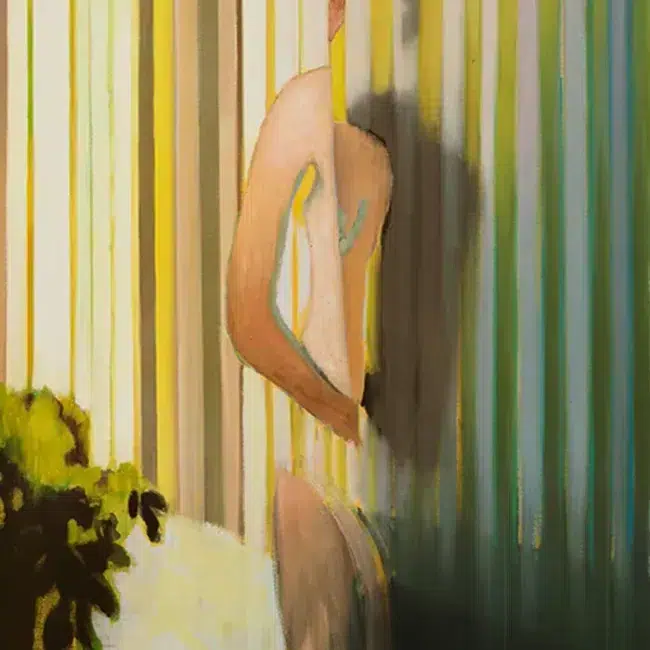
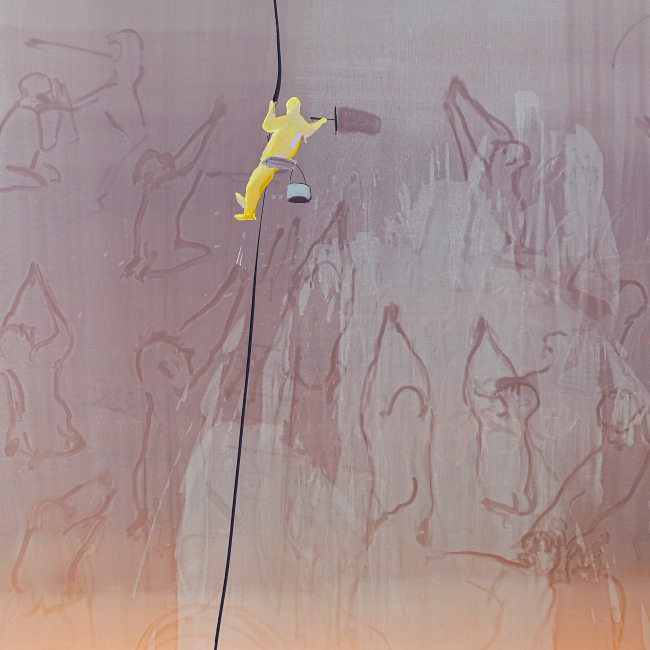
The Museum of Modern Art in Paris is retracing the history of the Atomic Age in a temporary exhibition, which proved to be a fertile ground in the field of arts.
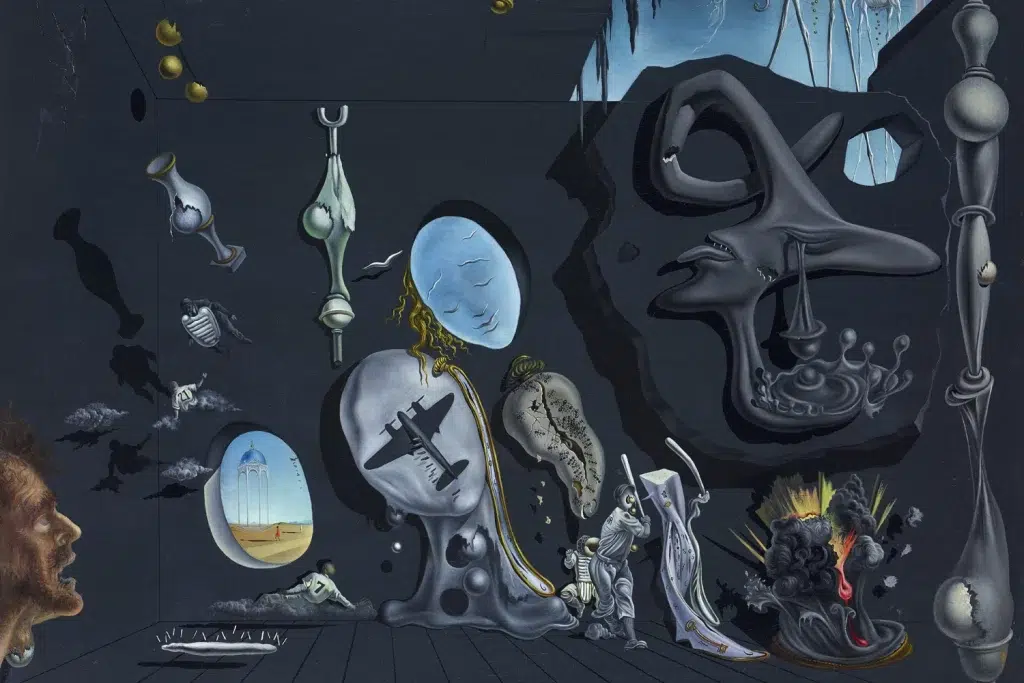
© SALVADOR DALÍ, FUNDACIÓ GALA-SALVADOR DALI /ADAGP, PARIS
© ARCHIVO FOTOGRAFICO MUSEO NACIONALCENTRO DE ARTE REINA SOFÍA, MADRID (PHOTO)
One might be tempted to think that Christopher Nolan's Oppenheimer, released in 2023, opened the field of exploration for all these exhibitions that are increasingly organized around the imagery of the atom. This is all the more relevant given that three-quarters of a century have already passed since the first atomic bomb was dropped on Japan in 1945, a move that changed the course of humanity. The Musée d'Art Moderne de Paris (MAM) offers a fresh look at the history of 20th-century modernity through the lens of the Atomic Age and its impact on collective imagery and memory, bringing together nearly 250 works (paintings, drawings, photographs, videos, and installations).

Photo © Courtesy Magnolia Editions, Oakland, CA.
FROM NEUTRALITY TO SPECTACULARIZATION
"The Atomic Age: Artists Tested by History" aims to show, for the first time in a French institution, the diverse visions of these great representatives of art in the face of scientific advances and the controversies that arise from them.
From the disintegration of matter to the nuclearization of the world via the atomic bomb, the MAM invites us to a wealth of representative works, under the curatorship of Julia Garimorth, chief curator of the museum institution, and Maria Stavrinaki, professor of contemporary art history at the University of Lausanne.
Some creative works reflect our relationship with technology, while others create utopian images of a future powered by the atom or, on the contrary, depict an apocalyptic scene in the form of a huge mushroom.
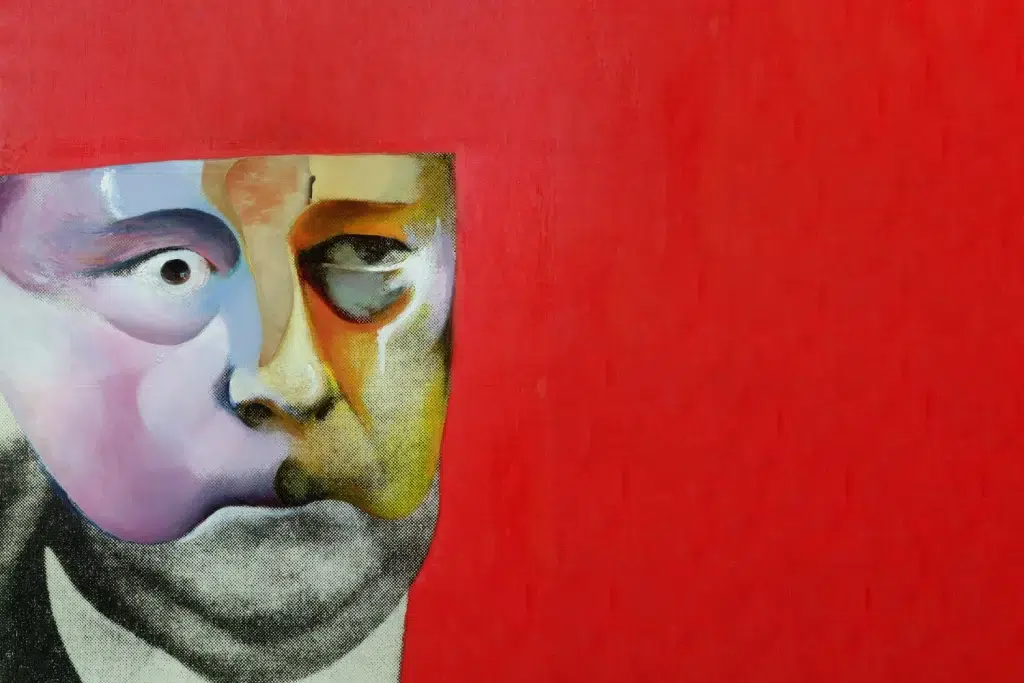
Photo: © Arts Council Collection / Bridgeman Images
THE EVOLUTION OF MENTALITIES
The exhibition thus offers multiple interpretations of more than a hundred great names, such as Wassily Kandinsky, Francis Bacon, Pierre Huyghe, Jackson Pollock, Salvador Dalí, Bruce Conner, László Moholy-Nagy, Le Corbusier, Hélène de Beauvoir, Barnett Newman, Thomas Schütte…
The co-curators extend their reflection by relating works that probe the repercussions of American imperialism and communist bloc propaganda, as well as early representations of Japan between realism and surrealism.
After the Chernobyl tragedy in 1986, awareness evolved. While engagement became more ecological and political, life itself became central to artistic concerns thanks to pacifist, anti-nuclear, counter-cultural, feminist, and anti-colonial movements, which rose up against nuclear production.
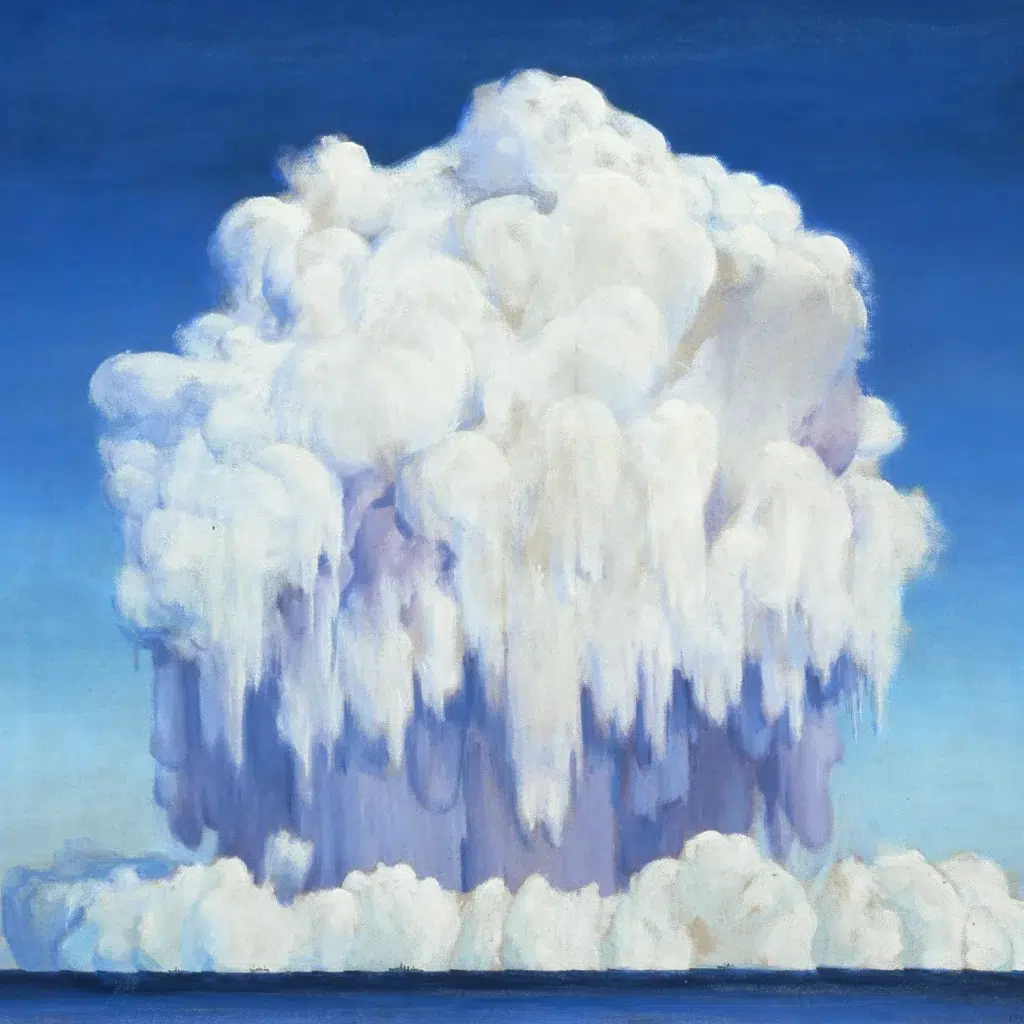
Photo © Navy Art Collection, Naval History and Heritage Command
This exhibition thus offers an interesting journey through history where art, science and politics have now become inseparable and are increasingly participating in current debates.
"THE ATOMIC AGE: ARTISTS TRIAL BY HISTORY"
Museum of Modern Art of Paris
11, AVENUE DU PRÉSIDENT-WILSON, PARIS 16TH
FROM OCTOBER 11, 2024 TO FEBRUARY 9, 2025
MAM.PARIS.FR