

Two kilometers from the village of Saint-Émilion, Château Quintus is launching its first wine tourism offerings in 2026. This property, part of Domaine Clarence Dillon, uses landscape, biodiversity, and the art of blending as three key elements in its interpretation of the terroir.
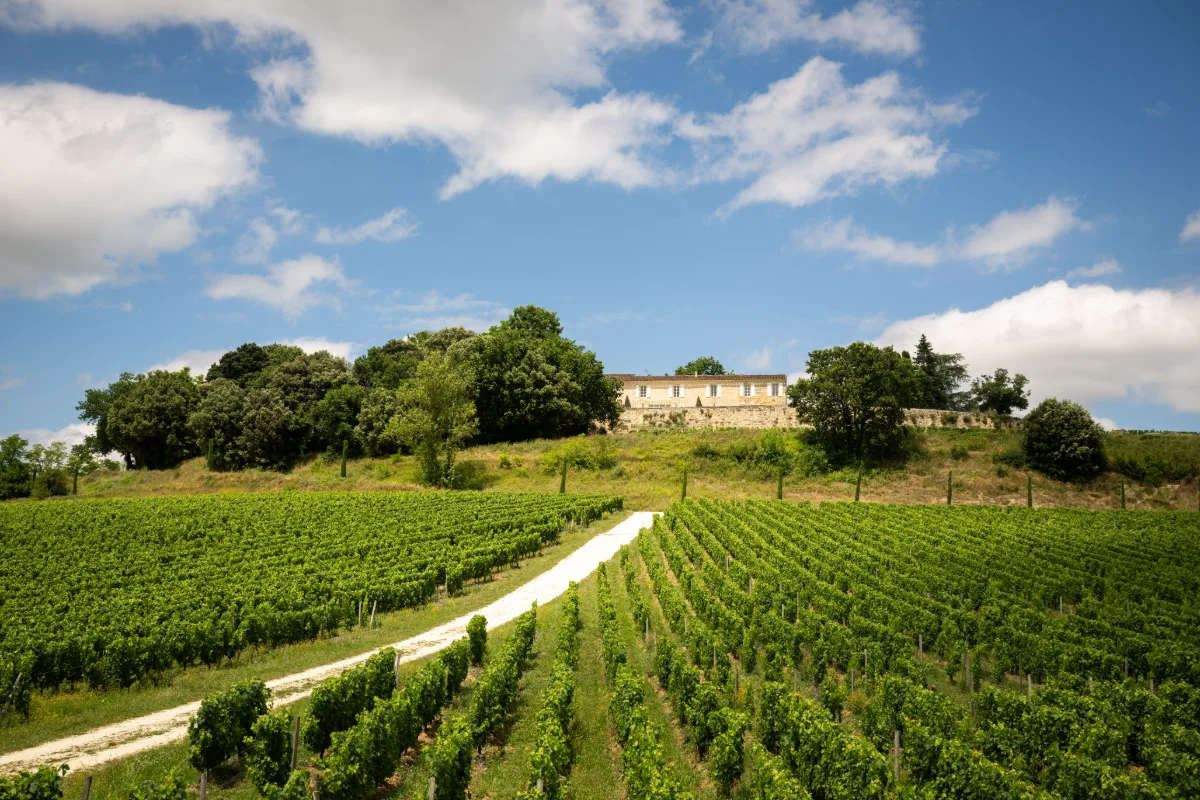
To truly understand Quintus, one must gain some perspective. The estate occupies a limestone promontory, rising to 62 meters above sea level, known since Gallo-Roman times, offering a 360-degree panoramic view of the Dordogne Valley. The vineyard, open to all four cardinal directions, benefits from a variety of microclimates and is enriched by a great diversity of soils – clay, limestone, and clay-limestone – creating a mosaic of exceptional terroirs.
While the estate's history is recent, its roots are much older. Quintus was born from the union of three neighboring properties acquired successively in 2011, 2013, and 2021 by Domaine Clarence Dillon, a family group founded in 1935 that also includes Château Haut-Brion, Château La Mission Haut-Brion, and Château Quintus. Historically, the three properties were listed in the Féret guide, published between 1908 and 1949, as "Premier Cru of Saint-Émilion." Their union has created one of the largest vineyards in the appellation: 45 hectares, including 42 hectares of vines, primarily Merlot and Cabernet Franc, offering a particularly rich array of terroirs.
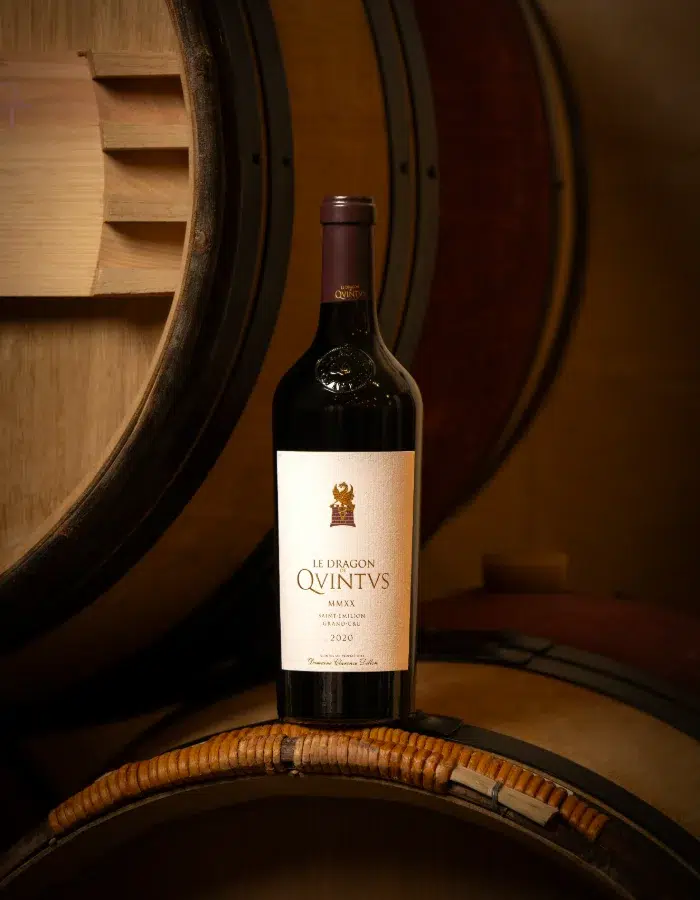
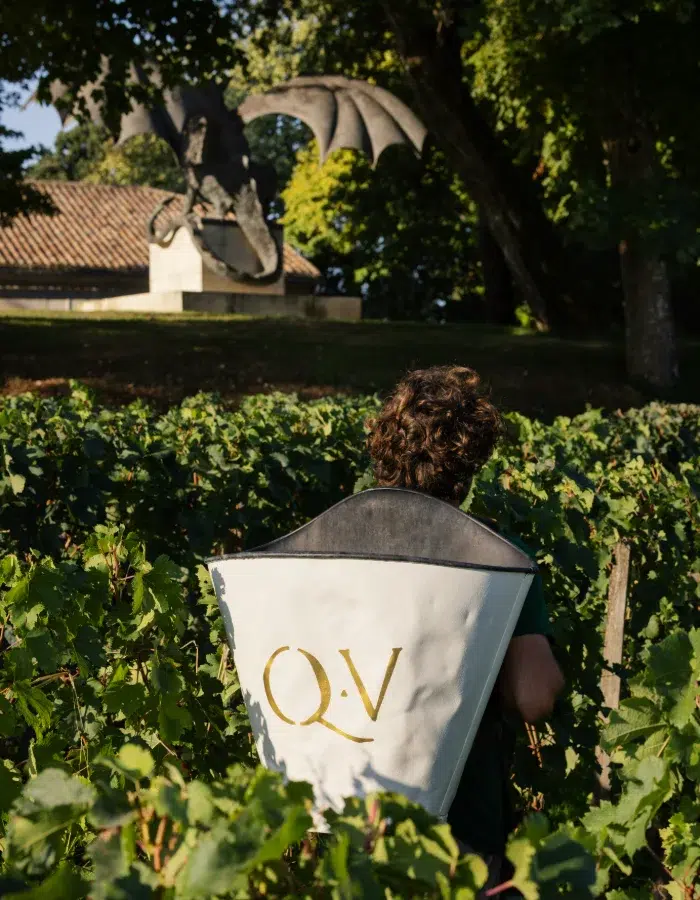
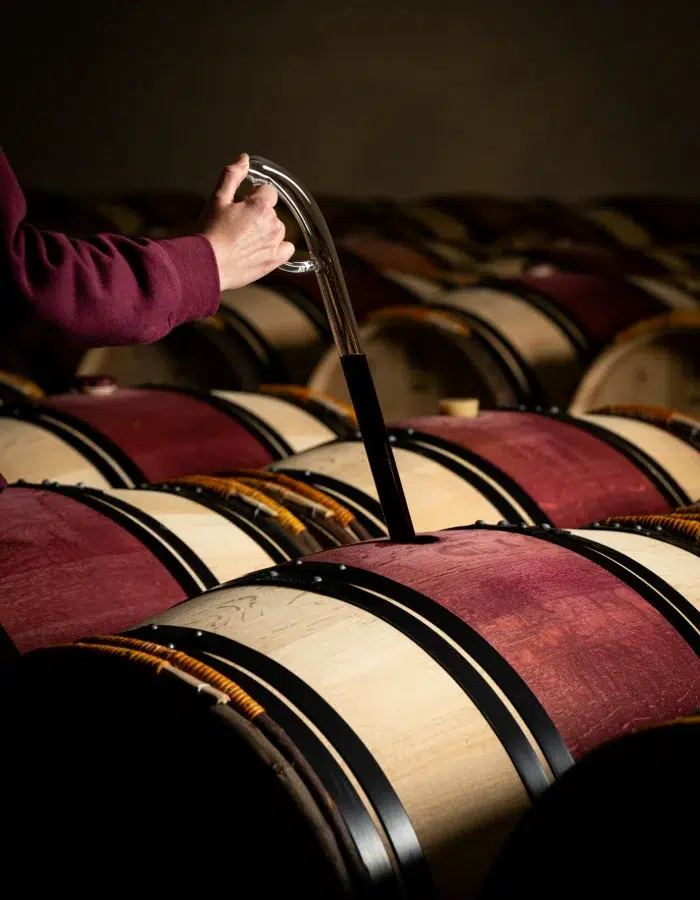
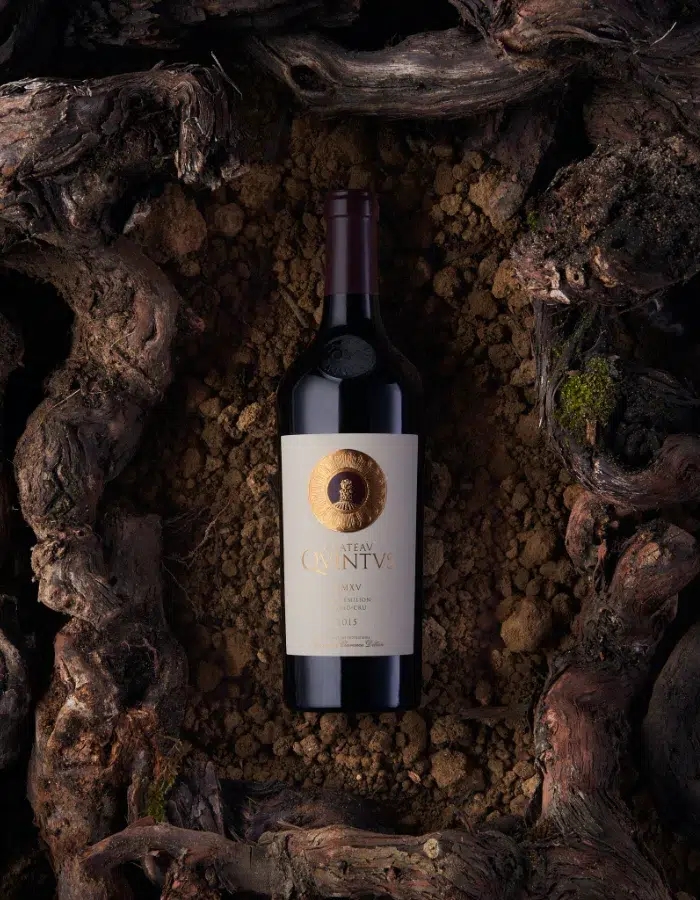
The estate's foundation lies in one word: blending. The grapes are harvested by hand and vinified within each plot – on the upper, middle, and lower slopes – then each vat undergoes a blind tasting to accurately assess its characteristics, before aging in French oak barrels. Château Quintus represents its deepest expression, imbued with the freshness of the limestone soils. Le Dragon de Quintus, the estate's second wine, offers a more immediate experience, with crisp red fruit and a velvety texture.
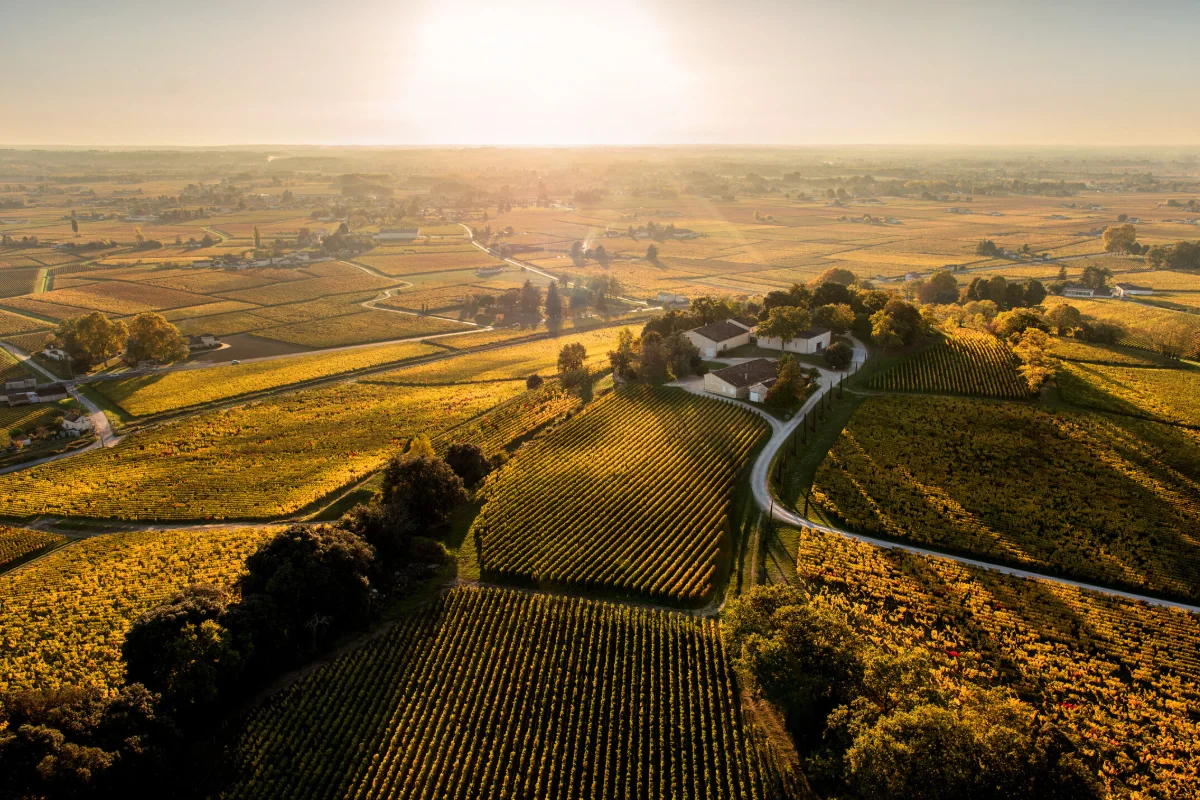
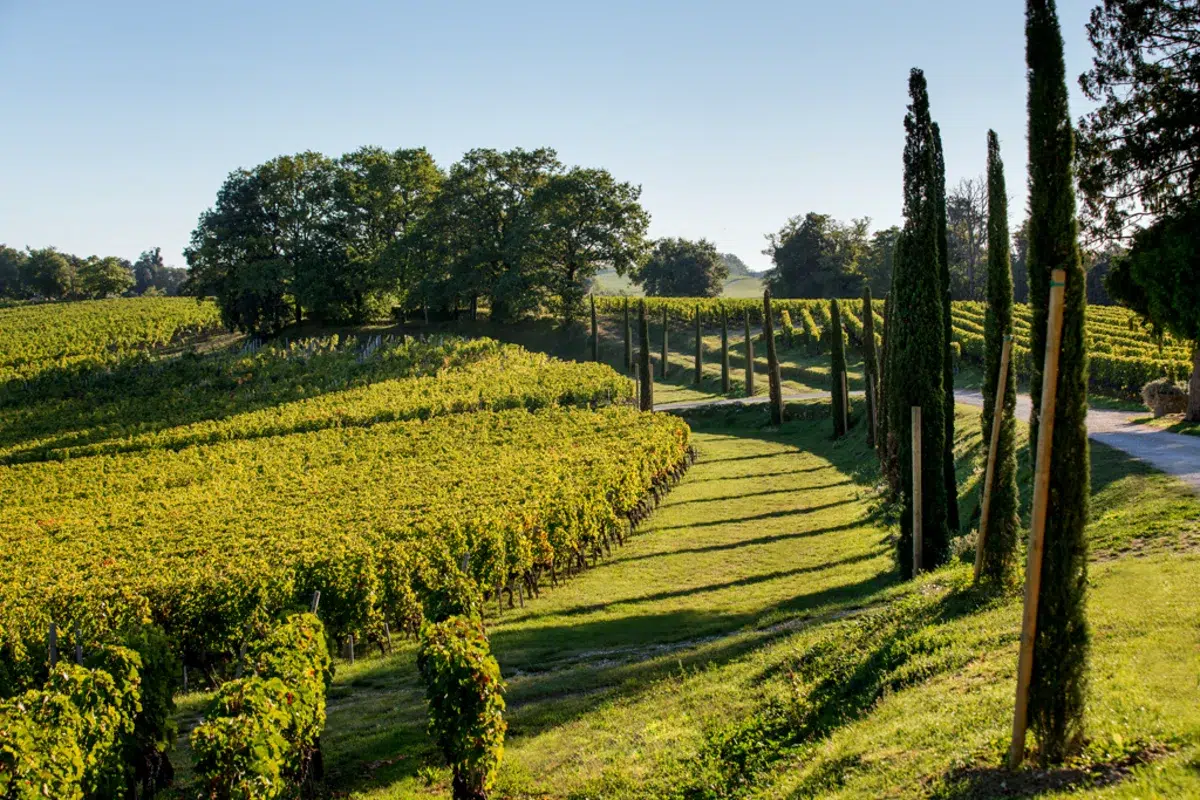
New for 2026, transforming the estate into a destination, is the Dragon Trail. This self-guided walk, lasting 45 minutes to an hour, winds through the heart of the two-hectare park, passing vineyards, ancient hedgerows, and centuries-old holm oaks. The trail is punctuated by marked stops and educational content accessible on smartphones. It leads to the dragon statue, a 6-meter-wide bronze piece by British sculptor Mark Coreth, installed on the site of a former watchtower. The walk concludes with a tasting of the estate's two signature wines.
A private 90-minute tour takes you from the vineyard to the cellars, explaining the role of blending in shaping the identity of the wines. It concludes with a tasting of Château Quintus and Dragon de Quintus.
Three options extend the discovery: a seasonal picnic enjoyed between vines and groves, an introduction to tasting which compares the two emblematic wines of the property and a third tasted blind, and a vertical tasting masterclass which explores the 2016, 2019 and 2022 vintages of Château Quintus and Dragon de Quintus.
The walk reveals another of the estate's treasures. Quintus lies at the heart of the Saint-Émilion Mediterranean belt, a biodiversity corridor that the estate meticulously maintains: hedges of local species planted in ecological corridors, flowering fallow land on the embankments, preservation of the stone walls, and more than fifteen nesting boxes and insect hotels. This approach is accompanied by a ban on the use of insecticides since 2017. An inventory of beneficial insects and flora conducted in 2020 identified 200 different species and 80 species of wildflowers. The estate has been certified High Environmental Value (HVE) since 2018 and ISO 14001 since 2019.
Saint-Émilion was the first wine-growing landscape to be listed as a UNESCO World Heritage Site as a cultural landscape. In Quintus, this landscape is to be observed, explored, and ultimately revealed in the expression of the wines.
Arianna Tonon