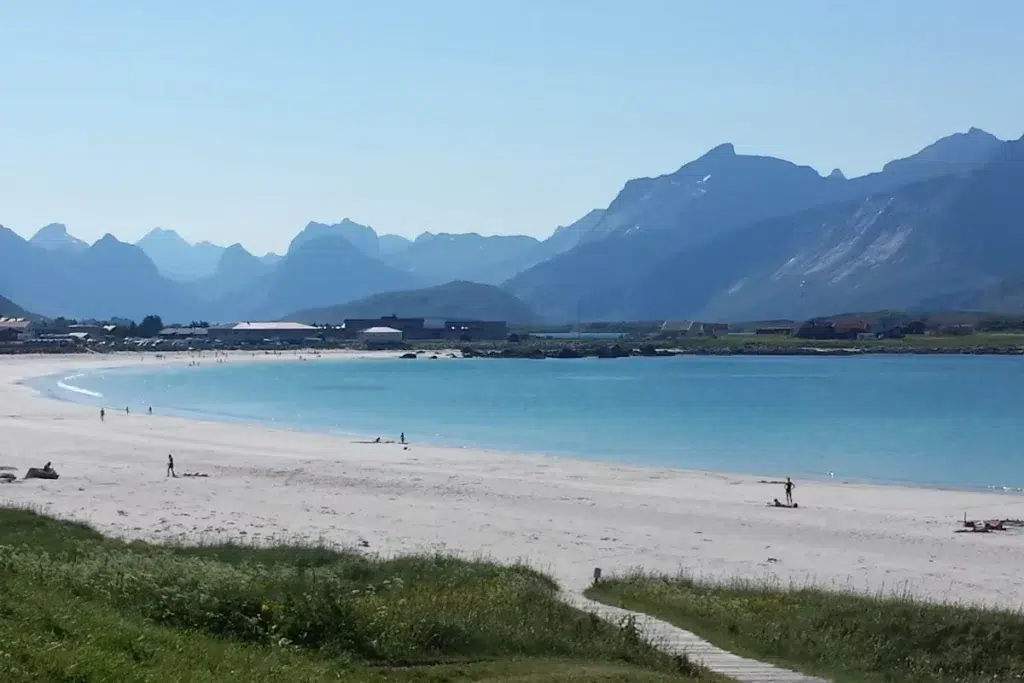
Close your eyes. Imagine turquoise water lapping against dazzling white sand, while black mountains plunge dramatically into the sea. No, it's not the Caribbean, it's Norway. Scandinavia has nothing left to prove to Mediterranean destinations: riding the wave of the "coolcation," it reveals breathtaking, wild, and luminous coastlines that one would never expect at this latitude. Head to Norway, Sweden, and Denmark, between surreal landscapes and briny delights.
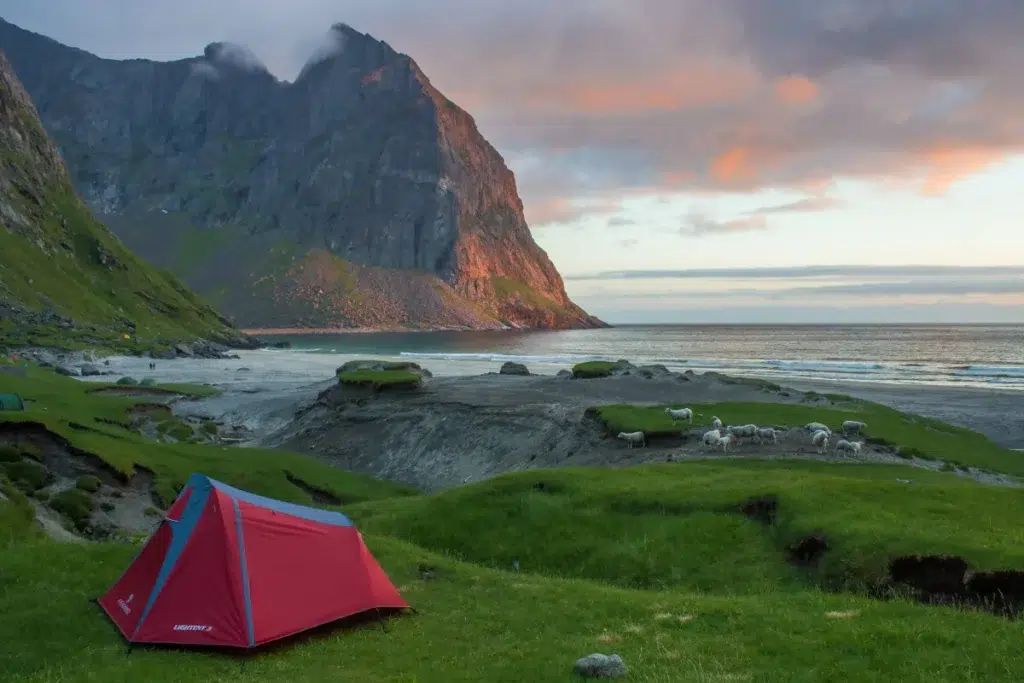
Norway: The wild immensity of the Lofoten
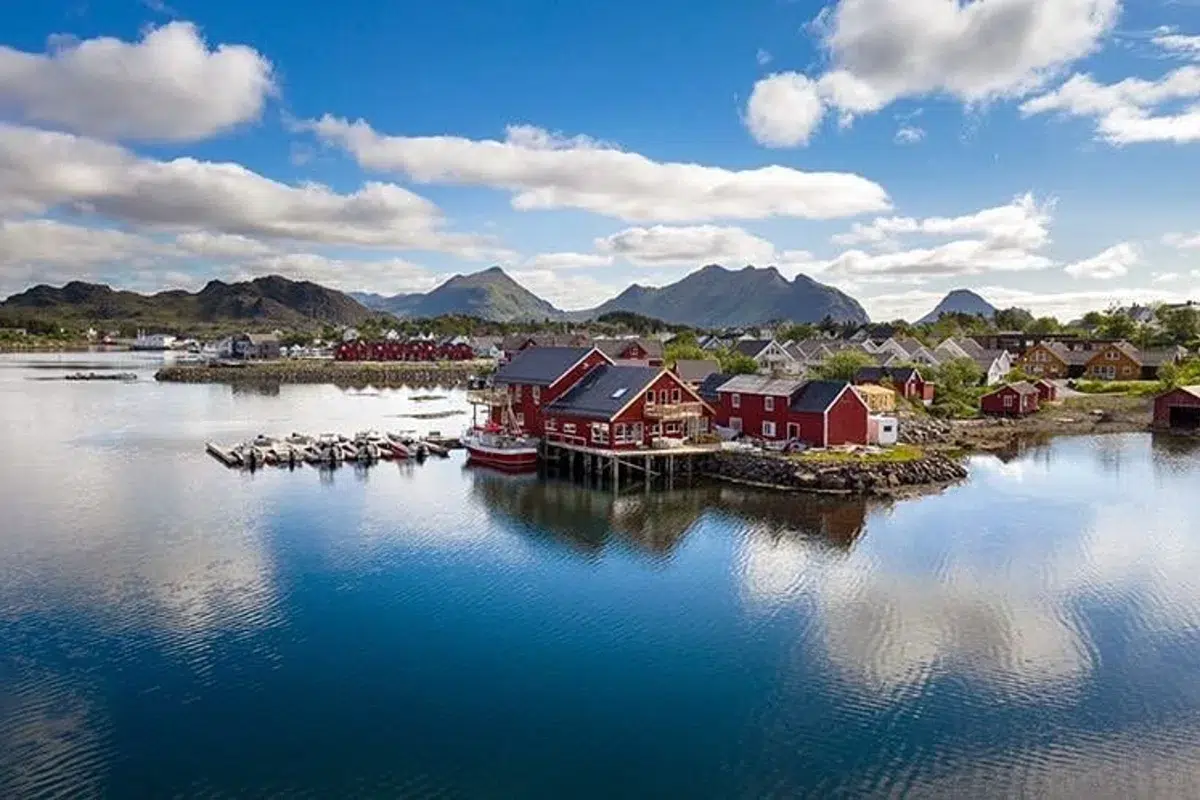
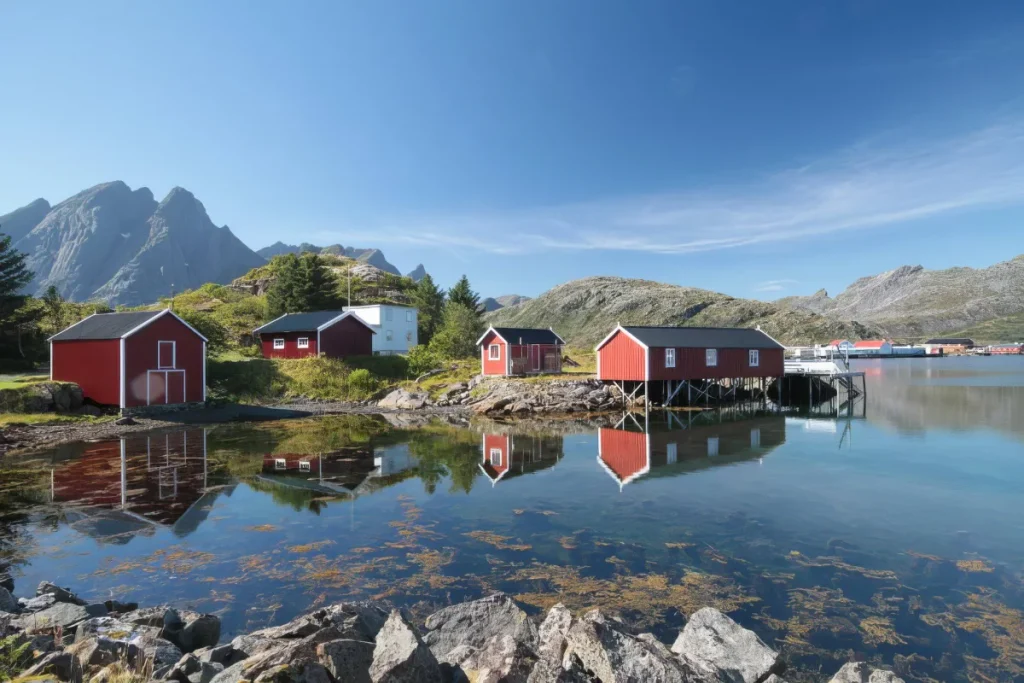
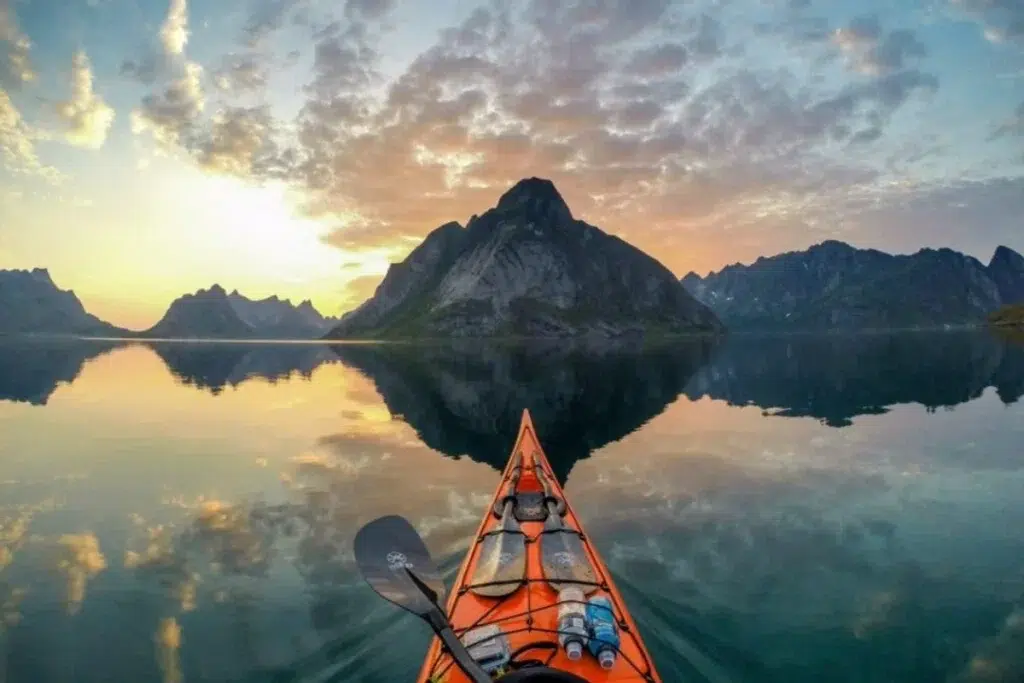
There's something almost hypnotic about the Lofoten Islands. The sand is dazzlingly white, the water turns the most improbable shade of turquoise, and all of this nestles at the foot of sheer peaks that seem to have been planted there by accident. You expect a gray, austere fjord—you find yourself in a tropical postcard setting lost in the Arctic.
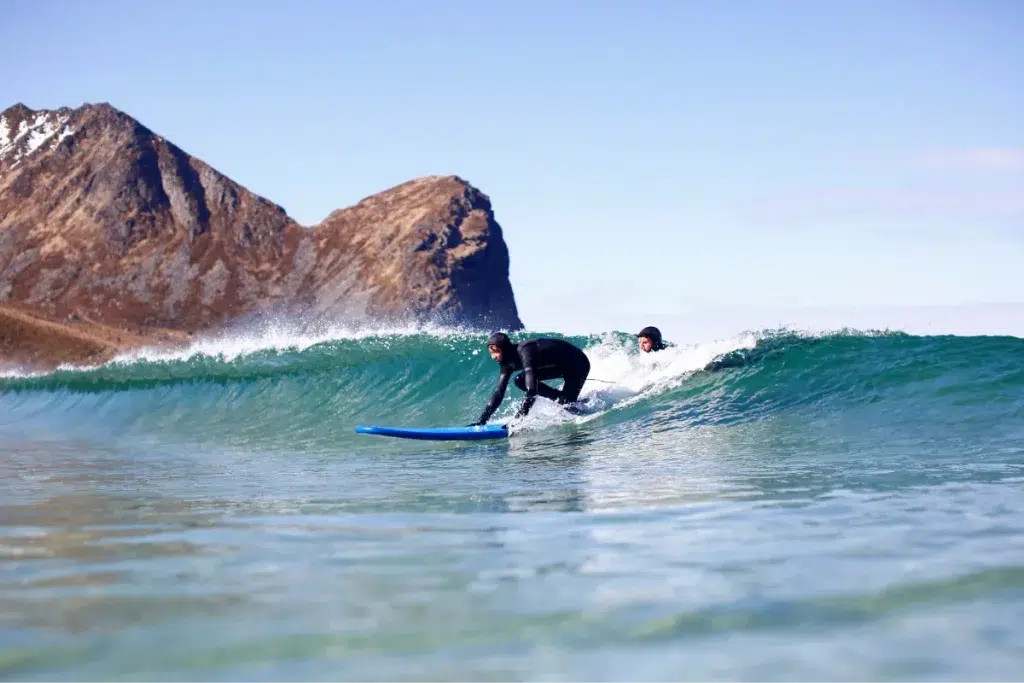
Haukland Beach, often crowned Norway's most beautiful beach, lives up to its reputation. Just a stone's throw away, Rambergstranda offers surprisingly shallow, almost gentle water, where you can finally dip your toes in. Skagsanden, on the other hand, beckons surfers—the real ones, those undeterred by the cold. And then there's Kvalvika, the secret beach: accessible only on foot, after a hike, but the reward—a pristine, silent, timeless setting—is worth every step.
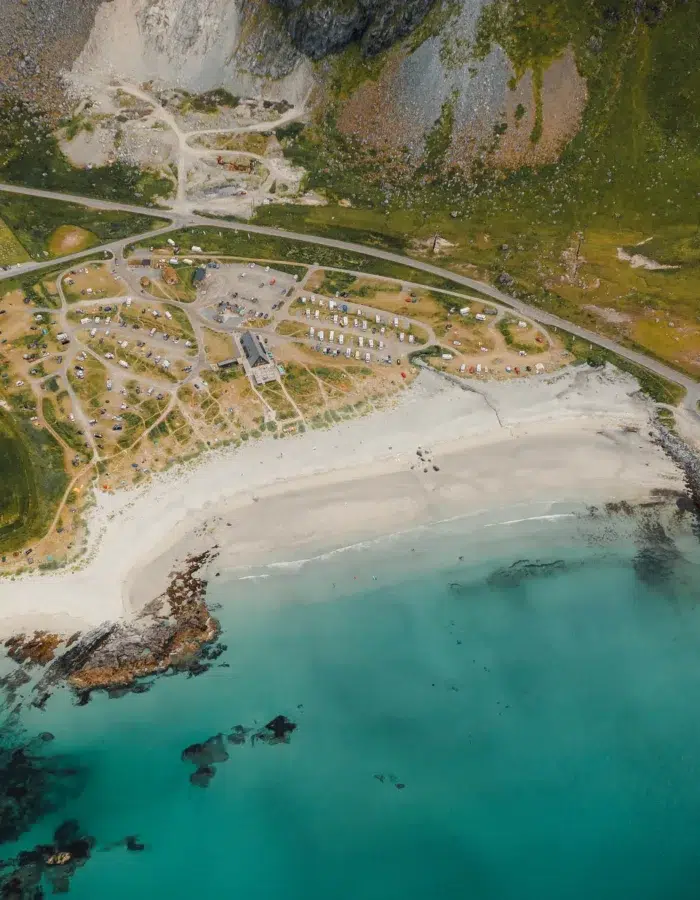
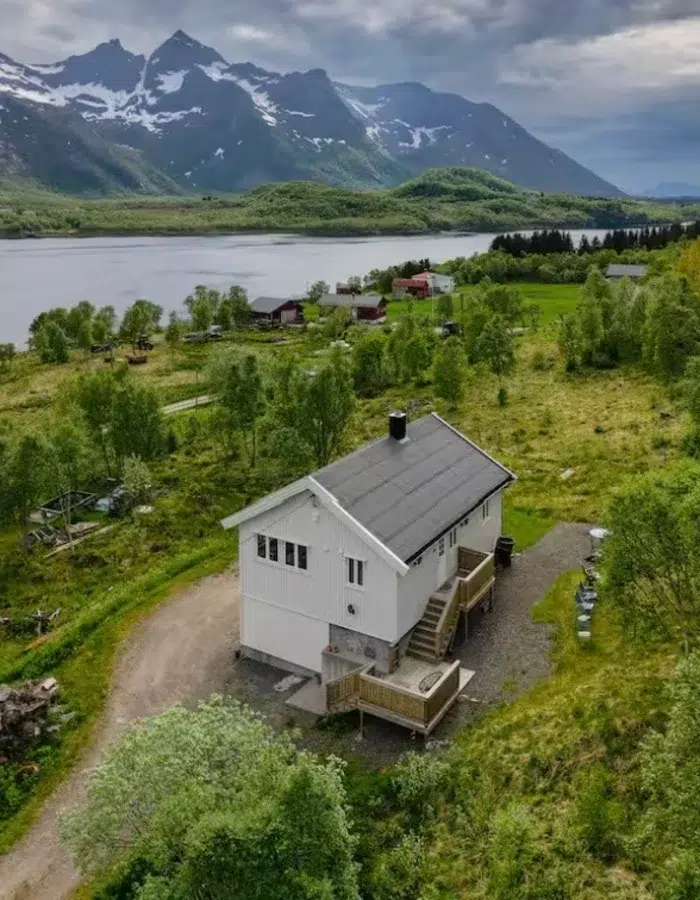
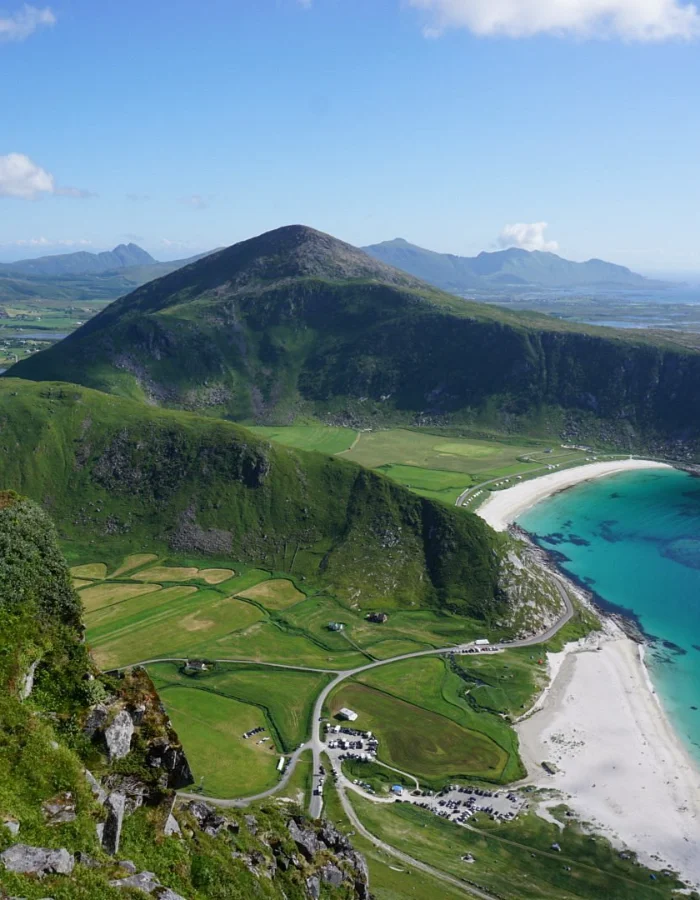
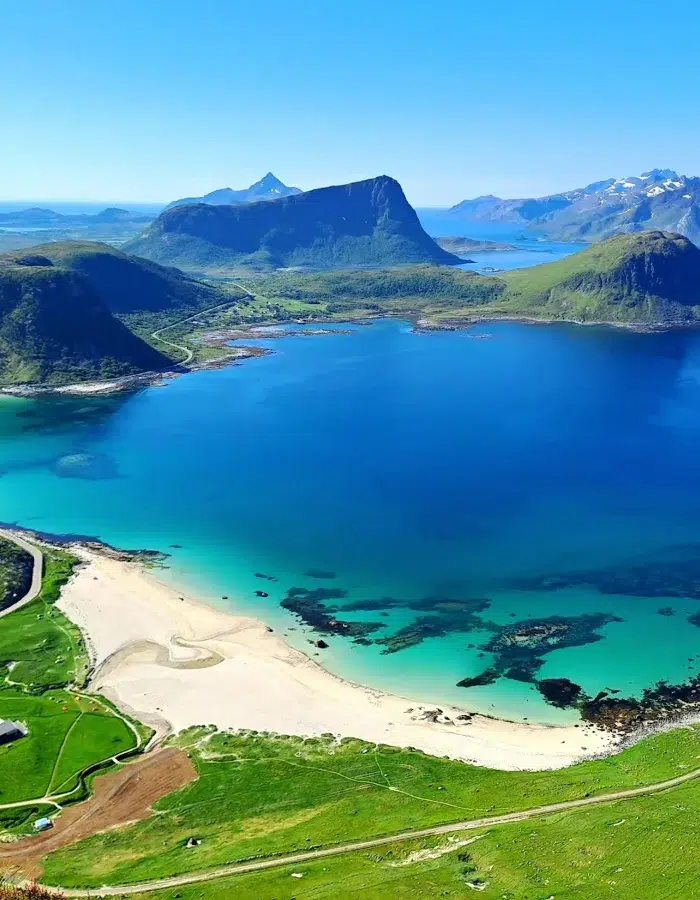
One drawback dampens the dreams: the water barely reaches 14°C, even in the height of summer. People don't come here to swim, but to contemplate, walk, and breathe in a landscape that exists nowhere else.
Then comes the meal. The Lofoten Islands are the kingdom of dried cod, hung in bunches on wooden racks in fishing villages like Reine or Å — an image as photogenic as it is delicious once cooked into melt-in-your-mouth bacalao . We finish with house-smoked salmon, a comforting fish soup after the hike, and a glass of spicy akevitt that warms you to the bone.
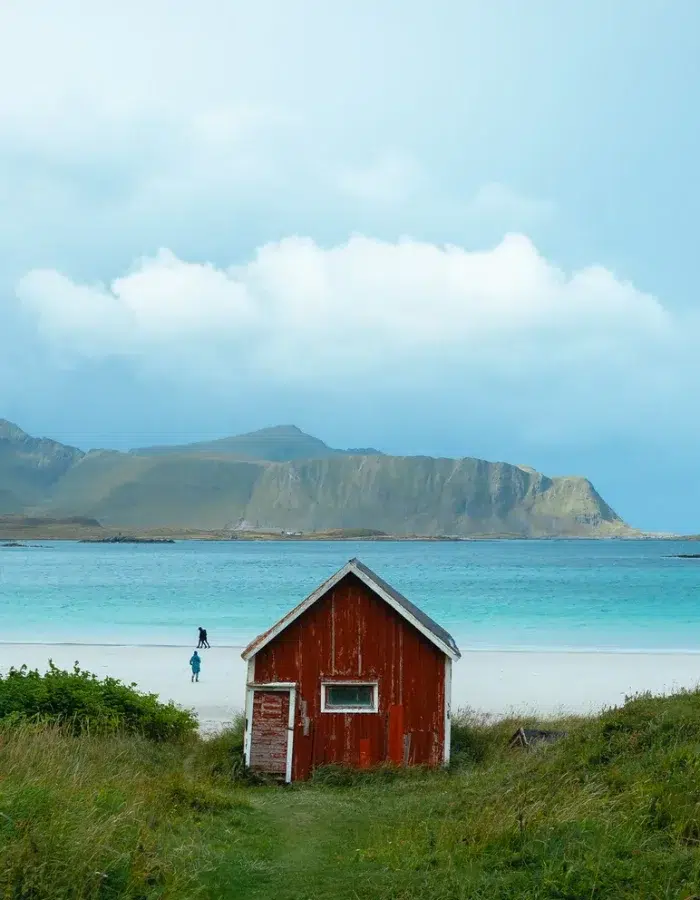
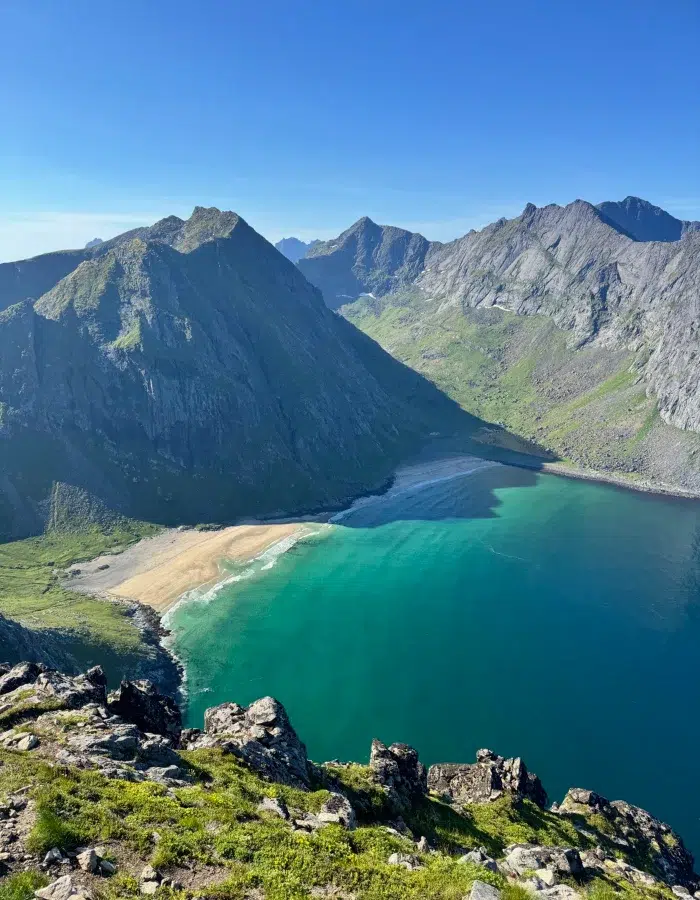
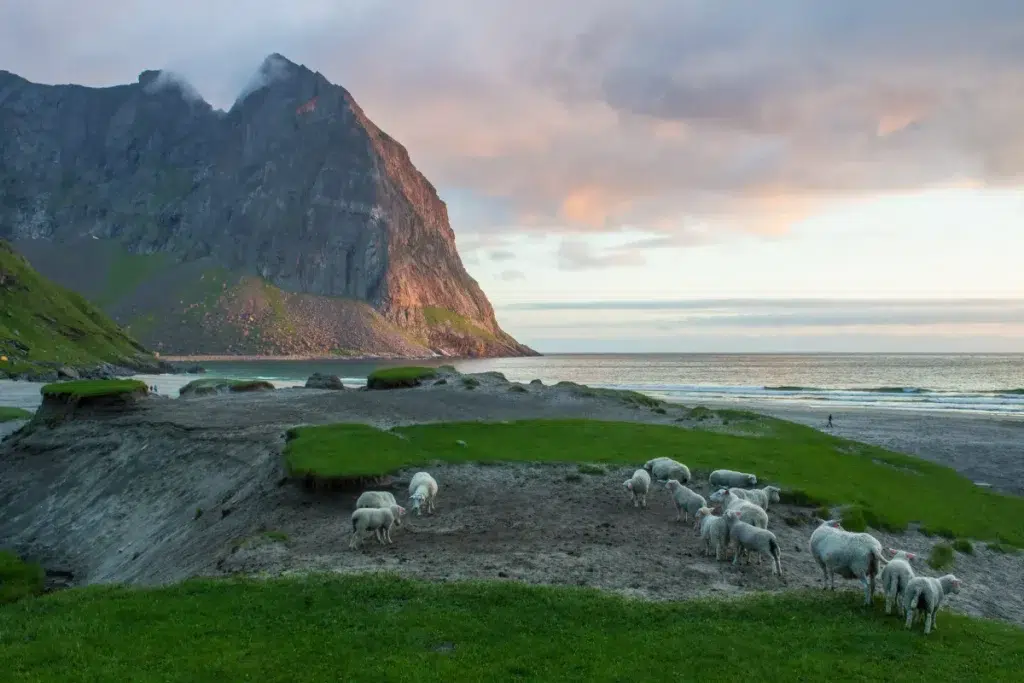
On the adventure front, the climb to Reinebringen offers one of the most breathtaking panoramas in Europe, sea fishing is practiced almost like a rite of passage, and kayaking glides silently between the islets. The polar summer, meanwhile, lingers: the light almost never goes out, and nights in tents stretch well past midnight.
Sweden: between family warmth and Mediterranean escape
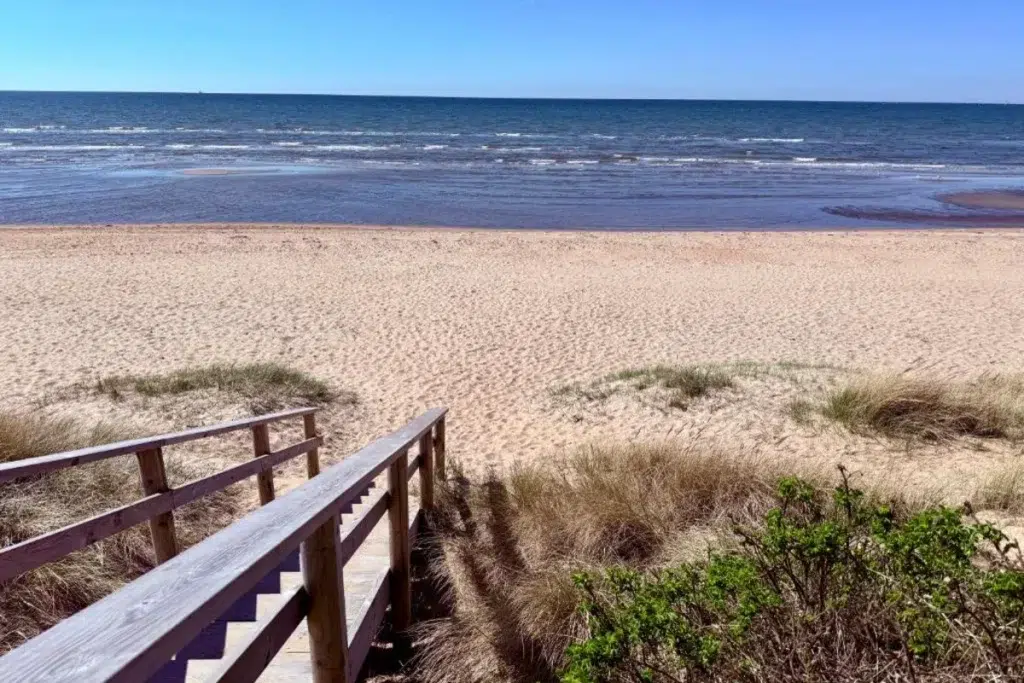
A complete change of atmosphere. On the west coast, near Falkenberg, Skrea strand unfolds a ribbon of fine sand and shallow water — a paradise for families, where children run without fear of the waves.
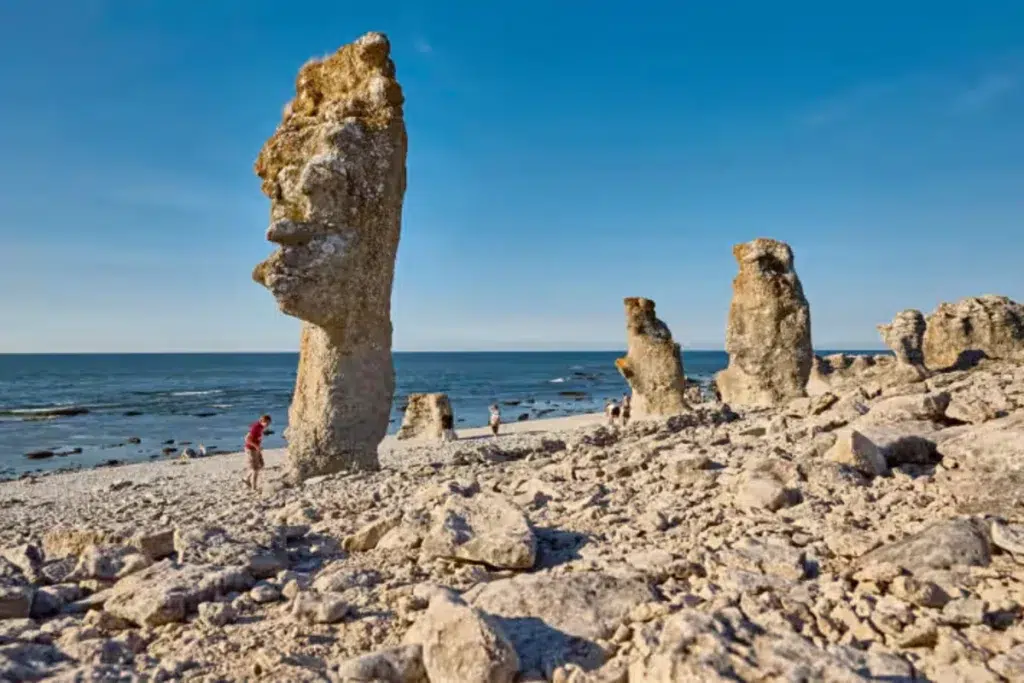
But the real surprise awaits on Fårö, off the coast of Gotland. In the middle of summer, this Baltic island takes on an almost Mediterranean charm: calmer waters, spectacular rock formations — the famous rauks , sculpted by centuries — and a light so special that it captivated Ingmar Bergman, who lived there until the end of his life.
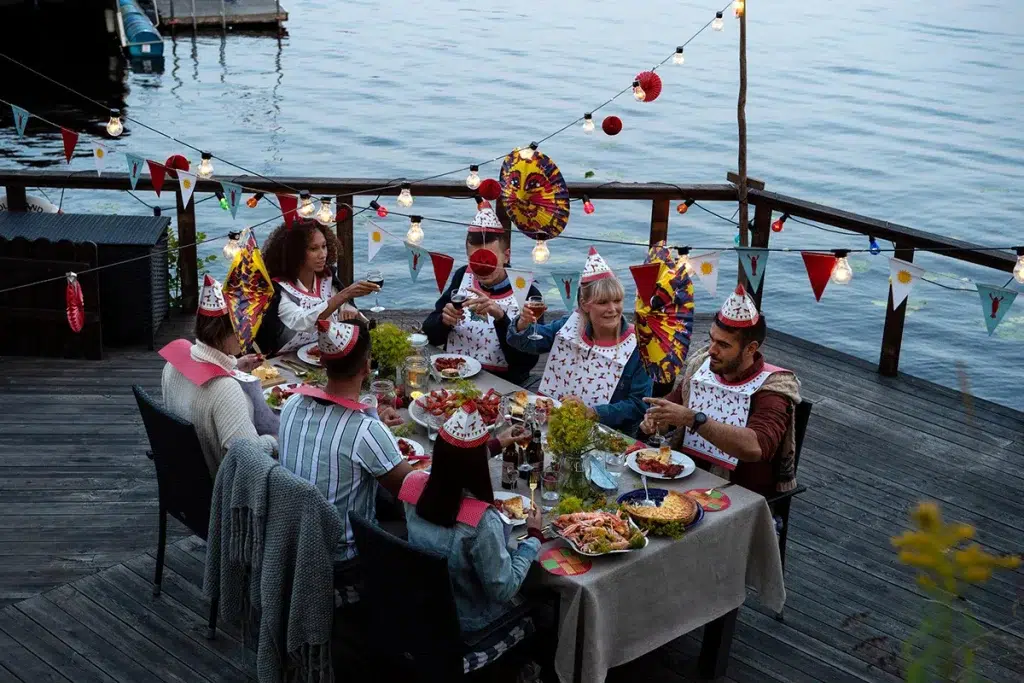
Here, the sea is as much a feast for the eyes as it is for eating: hand-peeled prawns on the harbor, marinated herring—from the mildest inlagd sill to the formidable surströmming for thrill-seekers—and, at the end of summer, the generous platters of crayfish at the traditional kräftskiva . On Gotland, everyone is captivated by saffranspannkaka , a saffron cake as golden as the midnight sun, accompanied by local strawberries renowned for their incomparable sweetness.
Denmark: the simple and generous seaside promise
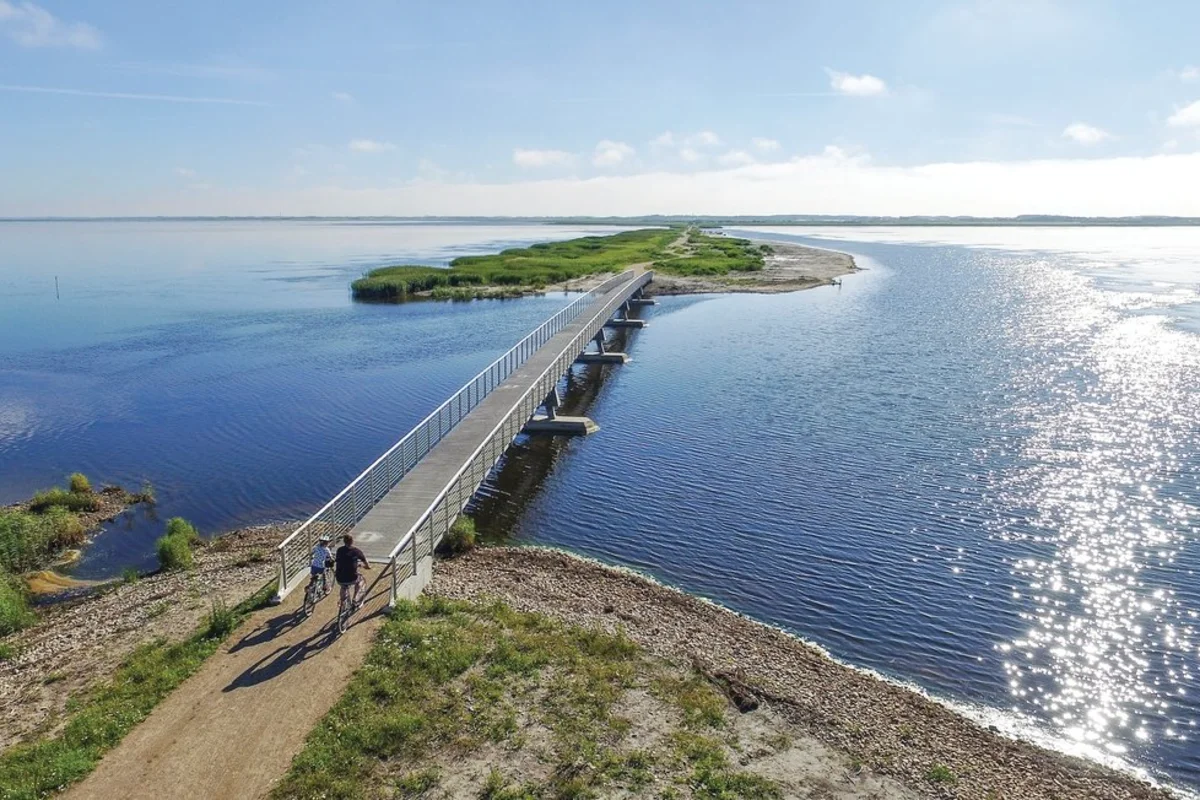
Denmark, for its part, fully embraces its status as a beach destination in the most classic and accessible sense. In Copenhagen, Amager Beachpark unfolds across a vast urban expanse accessible by metro, between a tranquil lagoon and a more natural area facing the open sea. The more intimate Bellevue beach attracts locals for an impromptu swim after work.
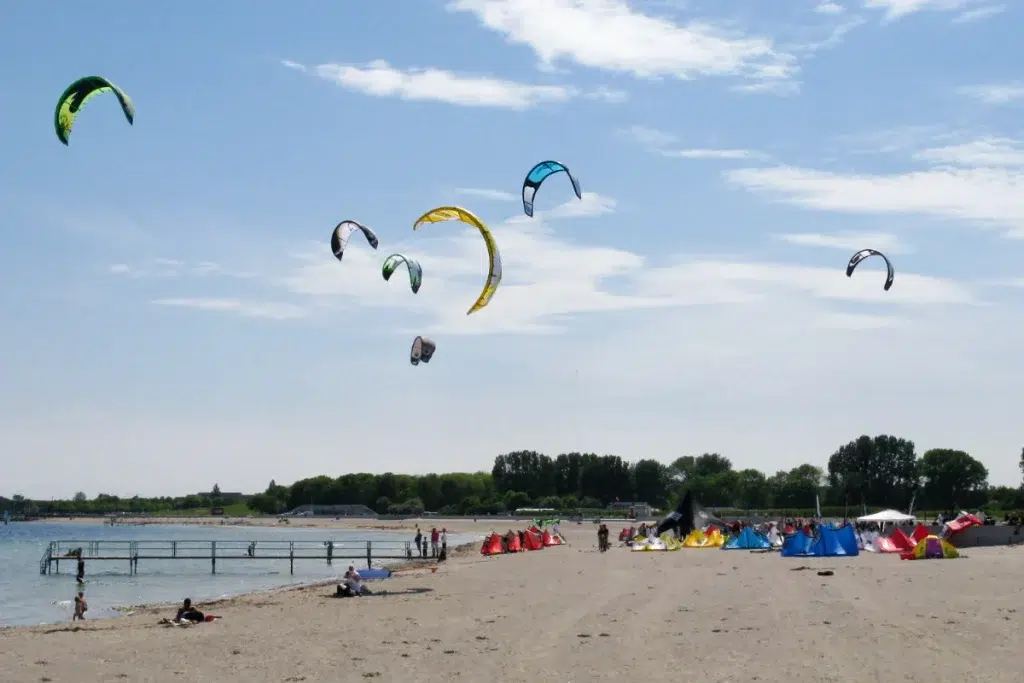
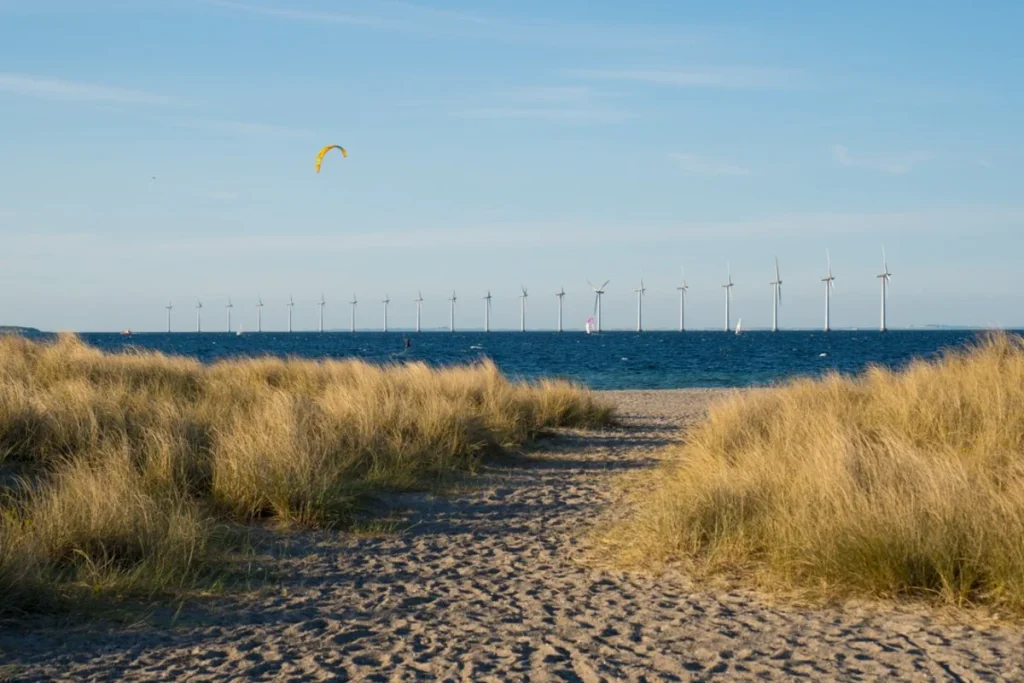
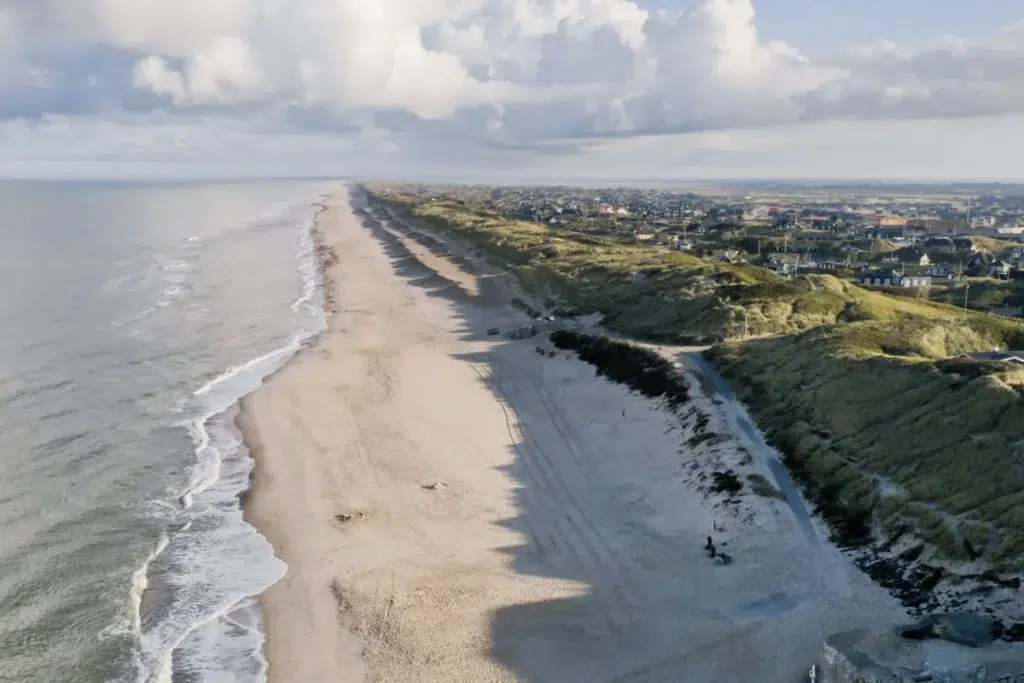
Head to the west coast for a completely different spectacle: in Søndervig, vast golden dunes lie alongside old World War II bunkers, while a generous north wind attracts land yachting and kite flying enthusiasts.
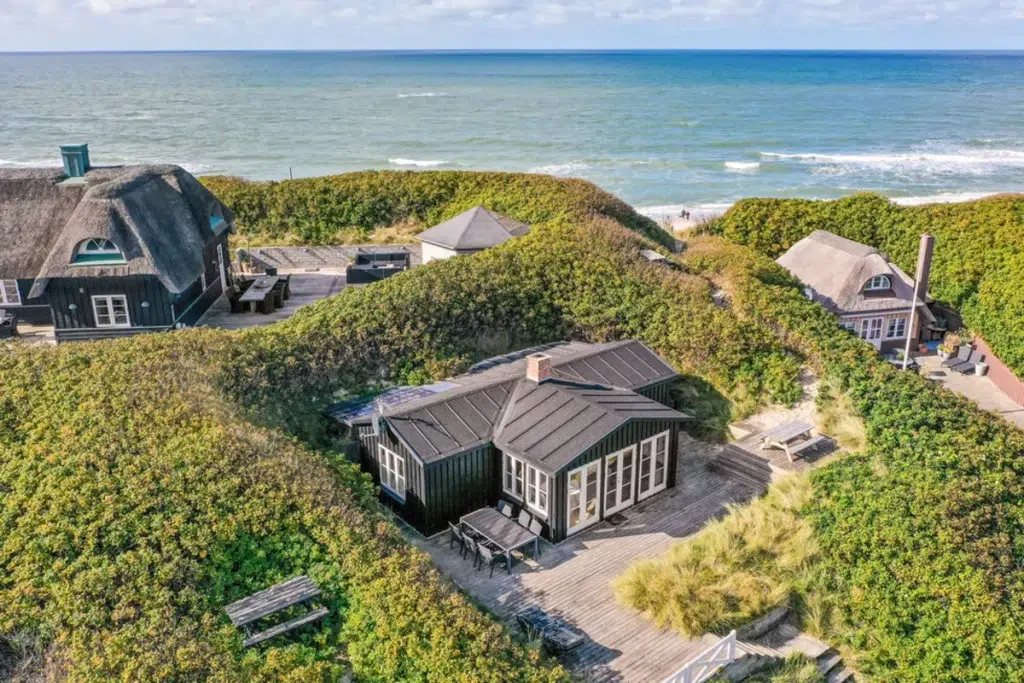
Denmark is also the art of smørrebrød , open-faced sandwiches on rye bread, topped with marinated herring, Nordic prawns, or roast beef, perfect for a picnic with your toes in the sand. Afterwards, stroll along the coastal promenades in search of a good artisanal ice cream shop, before ending the evening with a platter of fresh mussels and a local beer, brewed in Copenhagen or Jutland.
The same Nordic sky, three ways to dream
This is what strikes you as you travel: at almost the same latitude, each country tells a different story. Norway impresses with its vast, mineral landscapes, Sweden oscillates between family warmth and a Mediterranean interlude, and Denmark embraces its seaside vocation, generous and unpretentious.
One thread connects these three stories: a cuisine focused on the sea, which accompanies each stage of the journey. A Danish open-faced sandwich facing the dunes of Søndervig, a platter of Swedish prawns on the port of Falkenberg, a bowl of cod soup after the walk to Kvalvika – these Scandinavian beaches are to be savored as much as admired.
One last piece of advice, valid everywhere: bring a wetsuit if you really plan on swimming. Even in the middle of summer, Scandinavian water is unforgiving to those sensitive to the cold; but no matter, we don't come here for the warm sea. We come for the thrill.