From Rwanda's thousand hills to Namibia's dunes, Southern and Eastern Africa boasts some of the continent's most spectacular landscapes and immense cultural diversity. Here's what these territories have to offer.
Rwanda: Gorillas, urban renaissance and the art of coffee
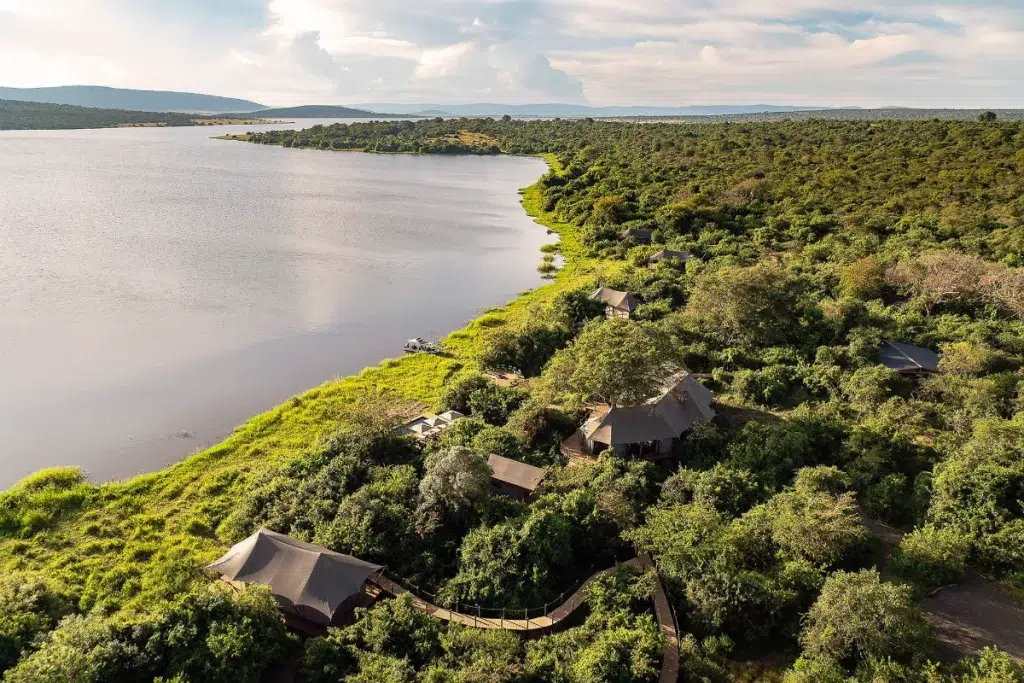
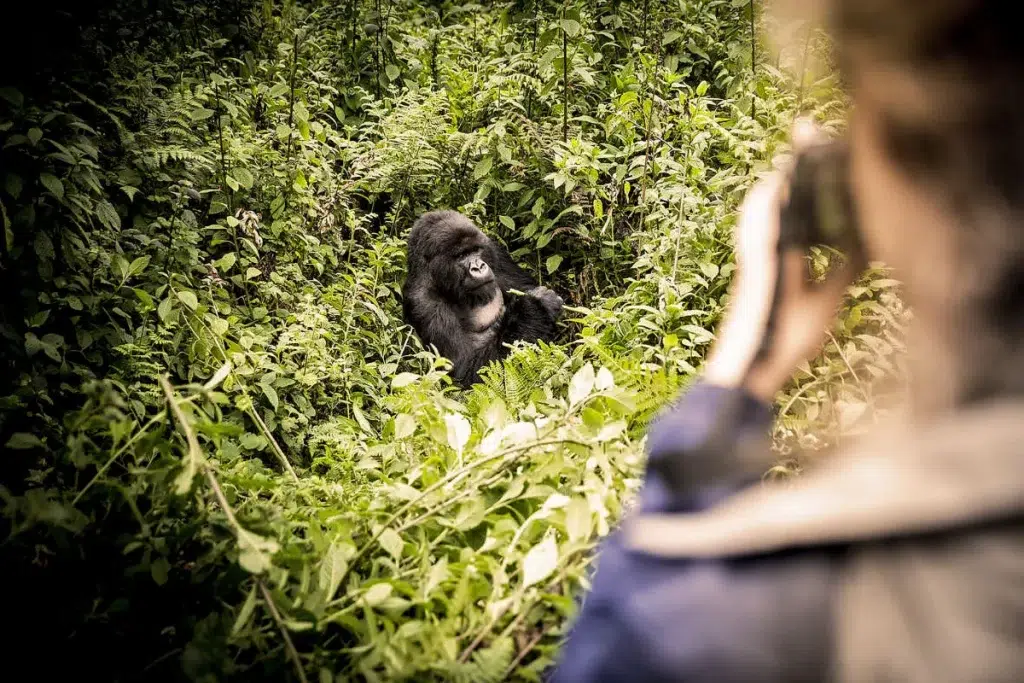
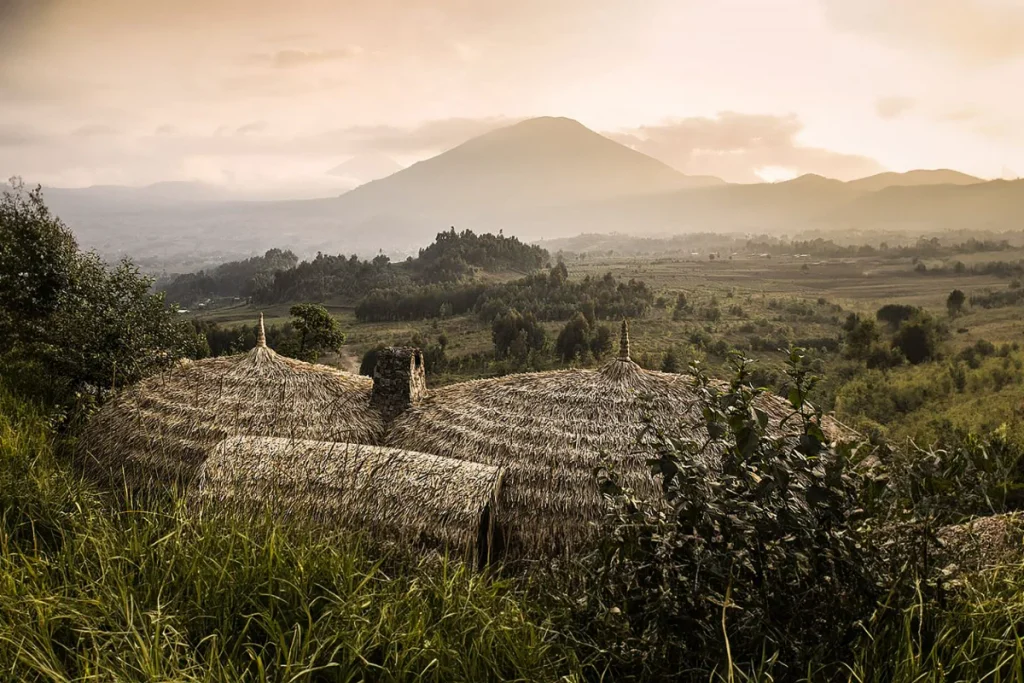
Rwanda owes its reputation to its mountain gorillas, of which approximately 300 individuals inhabit the cloud forests of the Virunga Massif, straddling Rwanda, Uganda, and the Democratic Republic of Congo. A guided trek remains one of the most intense wildlife experiences in Africa. The country issues a limited number of permits each day to maintain the balance of these populations. But Rwanda can also be discovered in Kigali, the capital, praised for its cleanliness and urban transformation since the 2000s, with its vibrant markets, contemporary art galleries, and memorials to the 1994 genocide—essential for understanding the country's recent history. Kinyarwanda is the national language, but French and English are both widely spoken. As for cuisine, Rwanda focuses on its Arabica coffee, grown at high altitudes and gaining international recognition, as well as ikivuguto (fermented milk) and urwagwa, a traditional banana beer.
Tanzania: Scene of the Great Migration
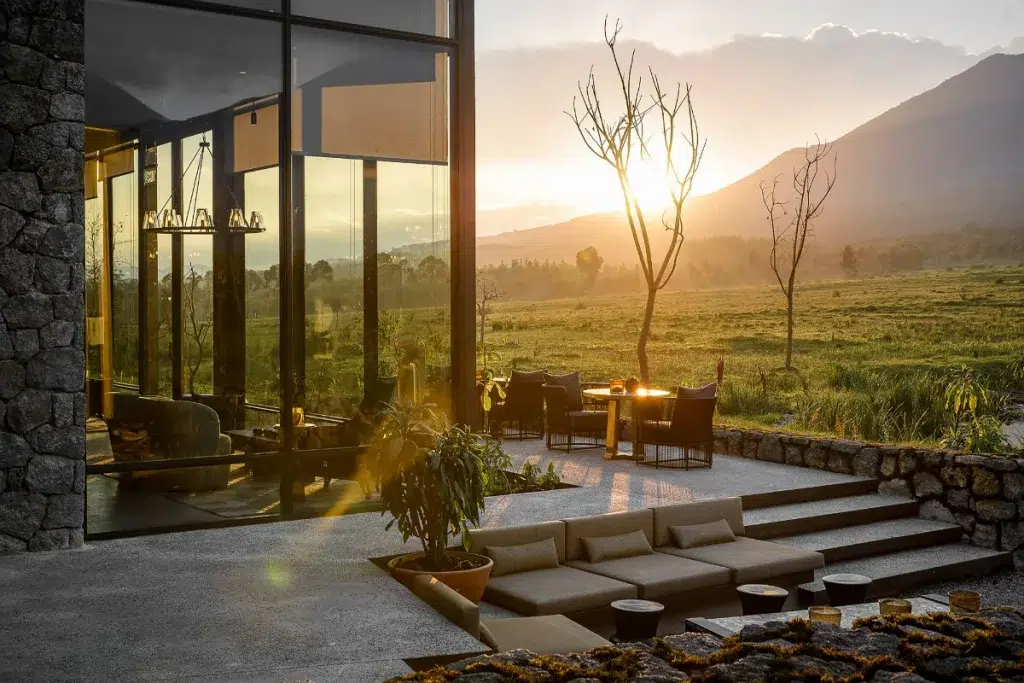
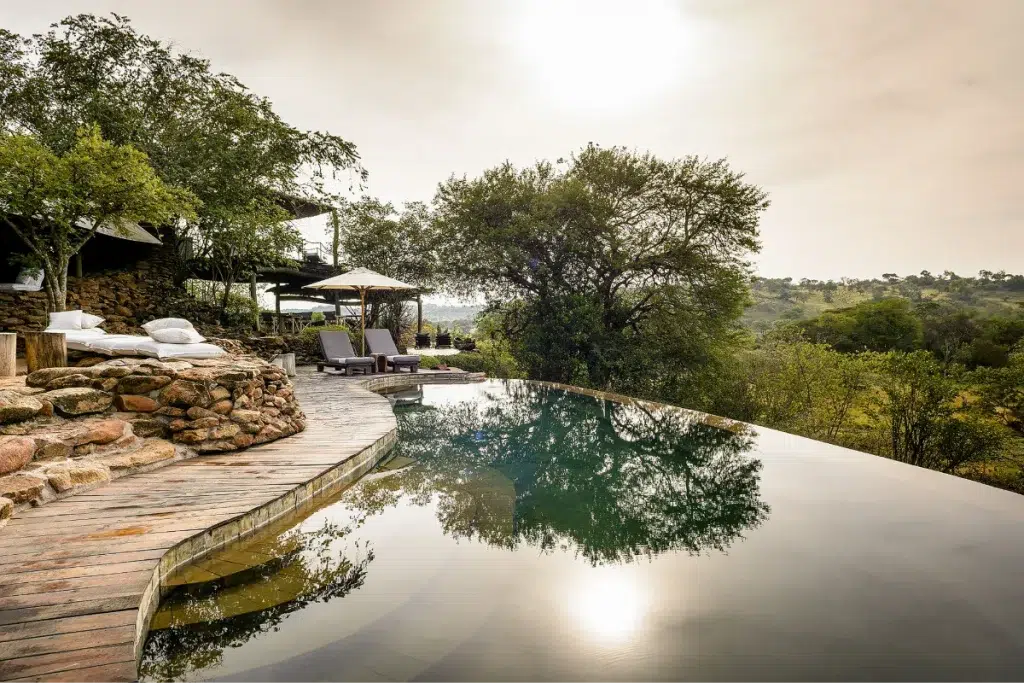
The Tanzanian Serengeti plains are home to one of the world's most impressive natural spectacles: the annual migration of over a million wildebeest and hundreds of thousands of zebras, in search of grazing land between Tanzania and Kenya. Private reserves like Grumeti, north of the park, offer the opportunity to observe this wildlife away from the crowds, including on walking safaris and off-road excursions. Swahili, the national language shared with Kenya and Uganda, shapes both communication and the names of animals ( simba for lion, twiga for giraffe, for example). Tanzanian cuisine blends Arab, Indian, and Bantu influences: ugali (maize porridge), spicy pilau, and nyama choma (grilled meat) are among the must-try dishes, largely inherited from the trade routes that once connected the Swahili coast to the Indian Ocean.
Namibia: deserts, starry skies and desert
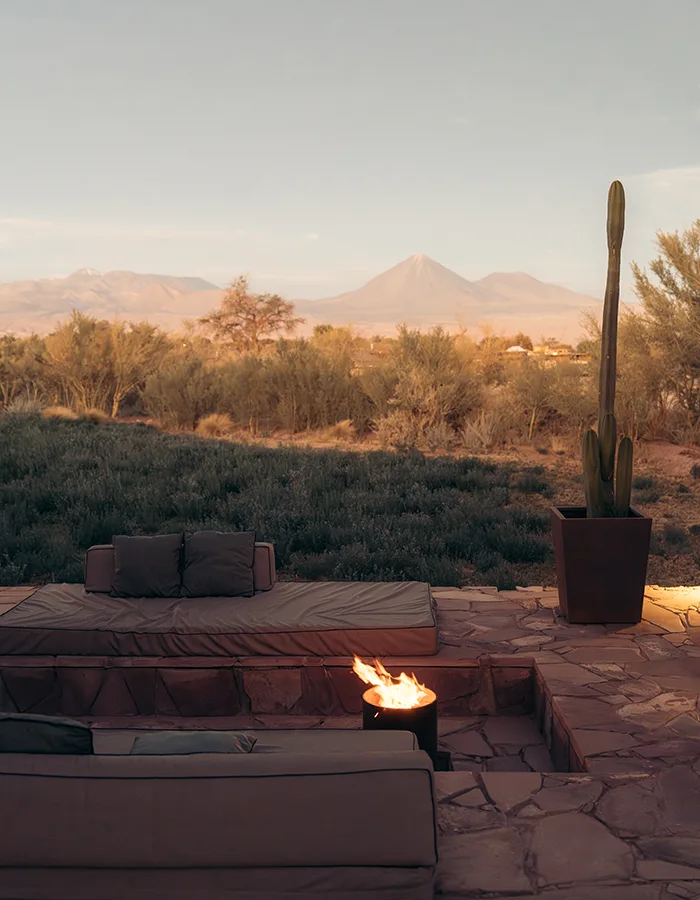
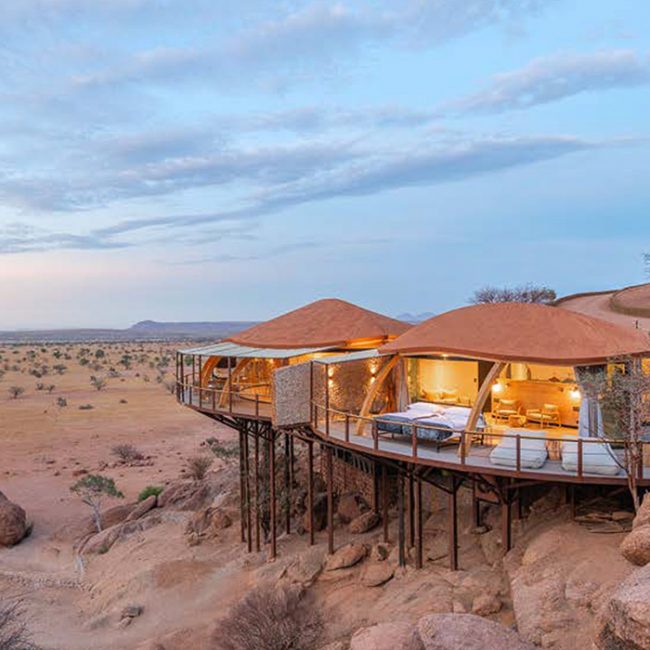
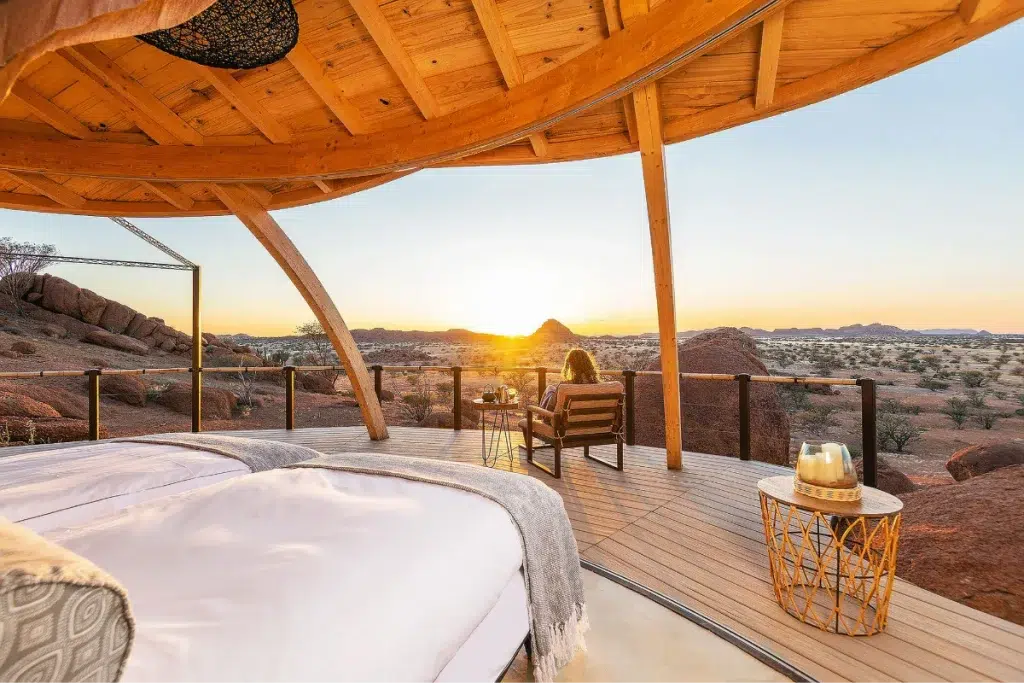
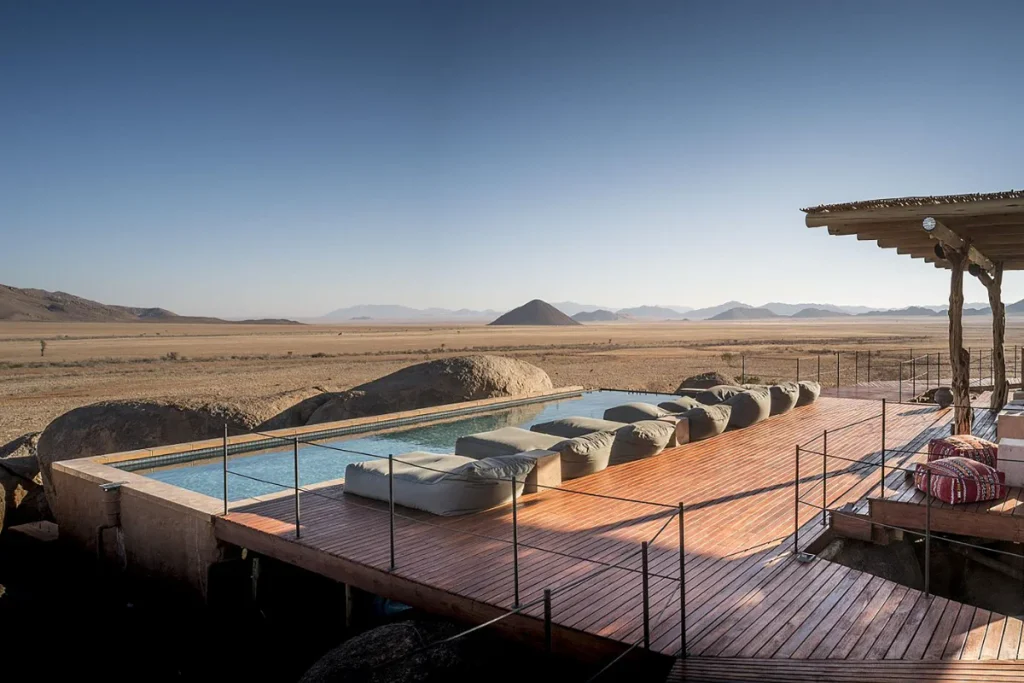
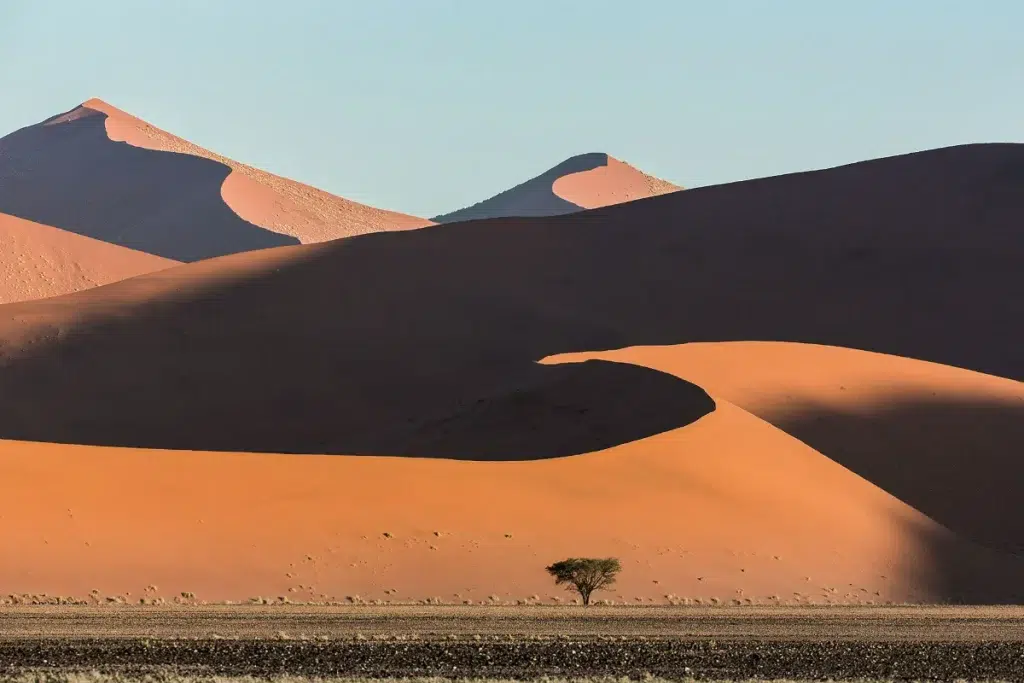
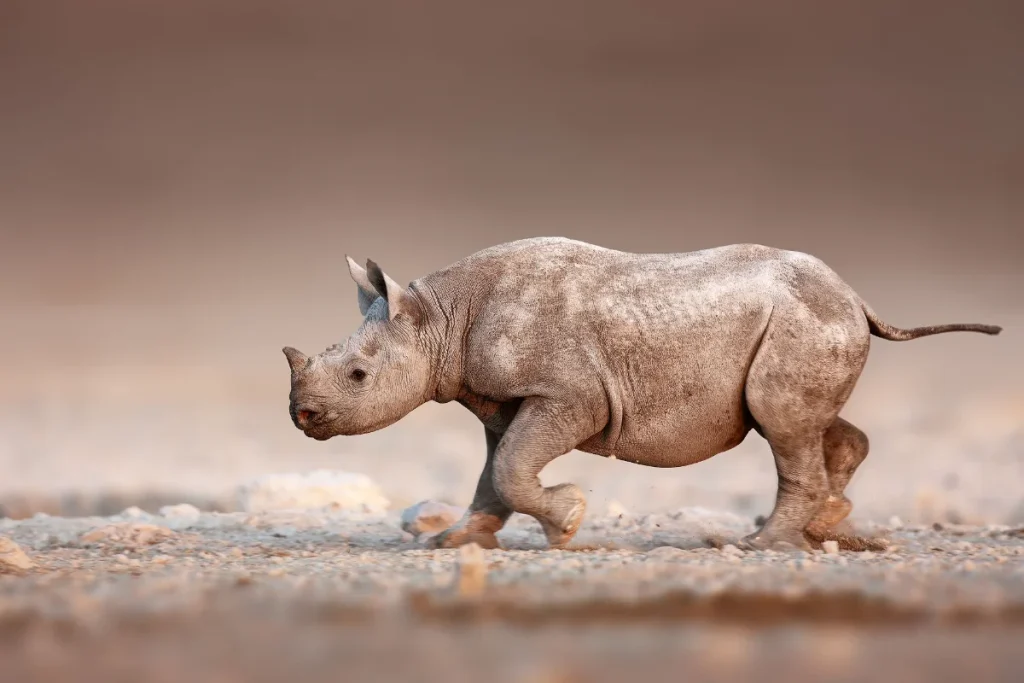
Namibia boasts some of the most beautiful skies in Africa, thanks in part to its very low population density. The Namib Desert, considered the oldest in the world, culminates in the red dunes of Sossusvlei and the iconic silhouettes of Deadvlei. Further north, Damaraland is home to elephants and rhinos adapted to arid conditions, as well as the ancient rock carvings of Twyfelfontein, a UNESCO World Heritage Site dating back thousands of years. The country is also home to the Himba communities, known for their traditional red ochre, and the San people, custodians of some of the oldest rock art in the world. English is the official language, but Afrikaans, Oshiwambo, and Herero remain widely spoken. Braai ( barbecue ) and biltong (dried meat), partly inherited from South African and German heritage, dominate local gastronomy, alongside game ( kudu , springbok ).
Botswana and Zimbabwe: water, elephants and mythical waterfalls
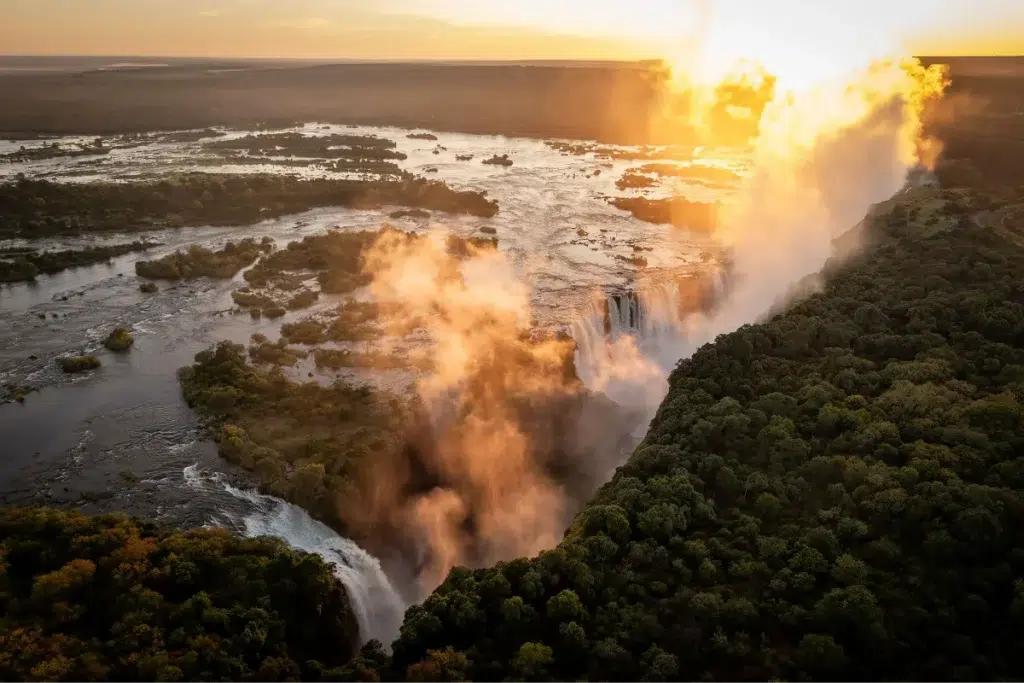
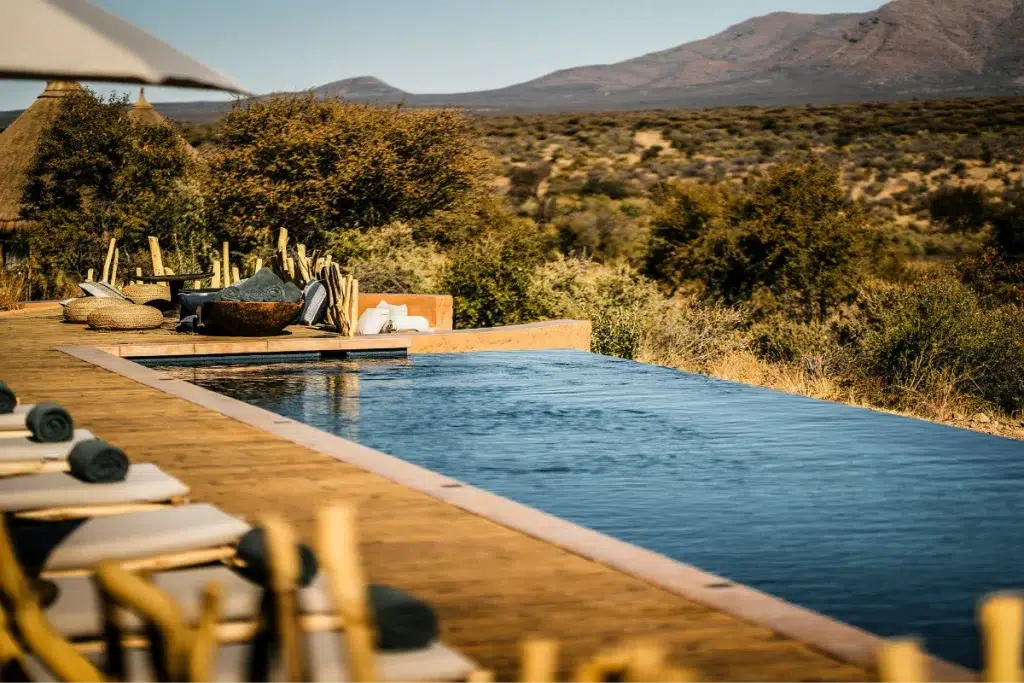
Botswana boasts one of the world's highest elephant densities in Chobe National Park, where herds of hundreds come to bathe at the end of the day. The country, one of the most politically stable on the continent, has made low-impact, high-value safari tourism a pillar of its economy. Setswana is spoken alongside English, the official language. Zimbabwe, for its part, owes its fame to Victoria Falls, which locals call Mosi-oa-Tunya , "the smoke that thunders," one of the seven natural wonders of the world, straddling the border with Zambia. Shona and Ndebele are the most widely spoken languages after English. Sadza (a maize porridge similar to ugali ) accompanies most meals, often served with beef or local vegetables.
This region lends itself particularly well to tailor-made travel: one can imagine, for example, a romantic safari in Rwanda (10 days, from €11,700), a Tanzania-Rwanda combination trip including the Serengeti and mountain gorillas (11 days, from €22,500), a 4x4 road trip through Botswana, Zimbabwe, and Namibia (16 days, from €9,450), or a Namibian tour punctuated by secluded lodges and exceptional nights (14 days, from €16,950)—four itineraries designed by the agency Amplitudes, specialists in tailor-made travel on the continent. Each trip is built entirely to personalize: adding stops, accommodations, bespoke experiences… Everything is adaptable to your desires.