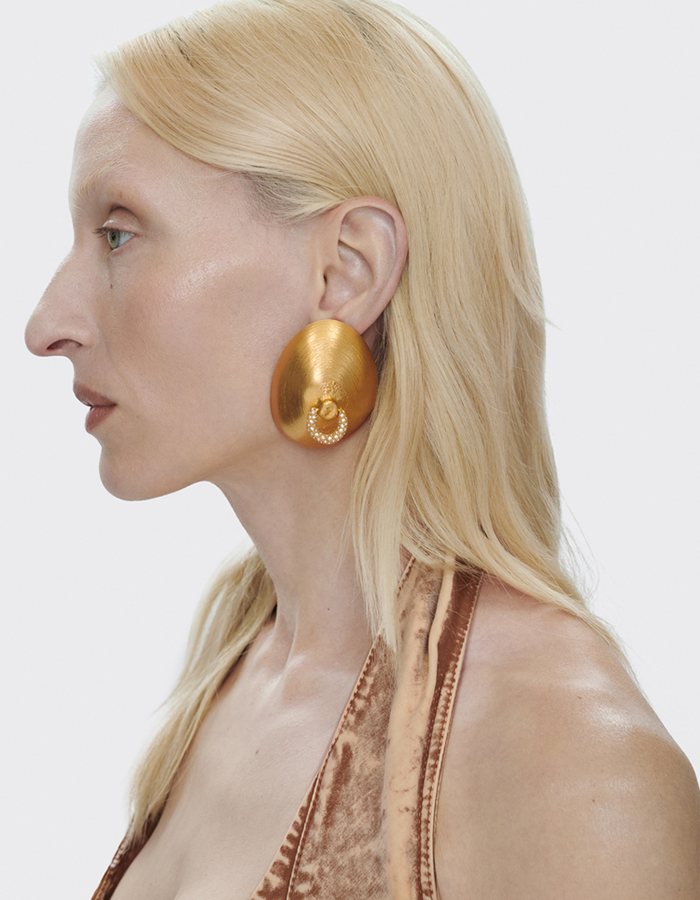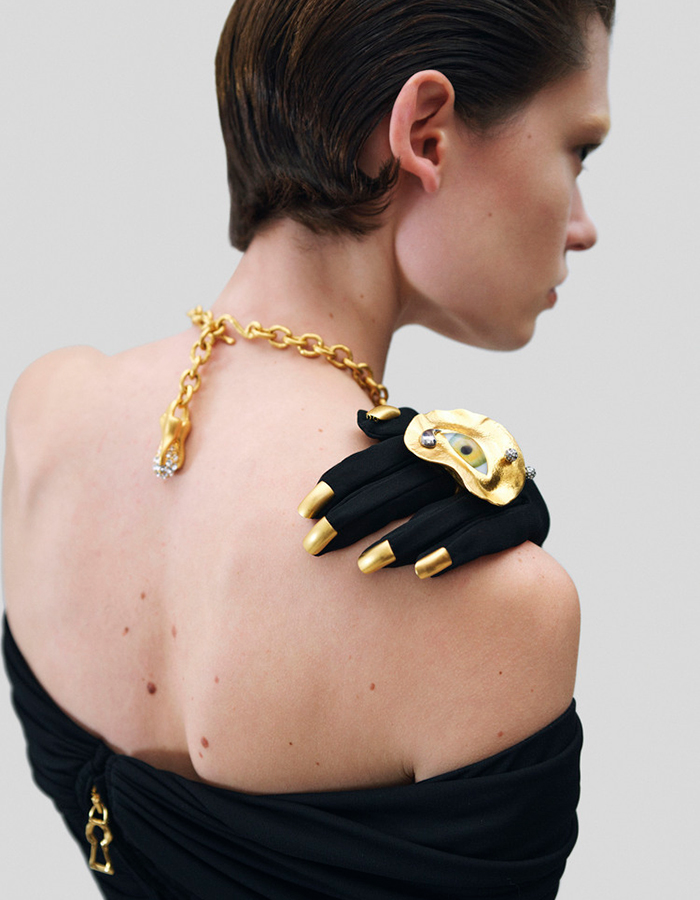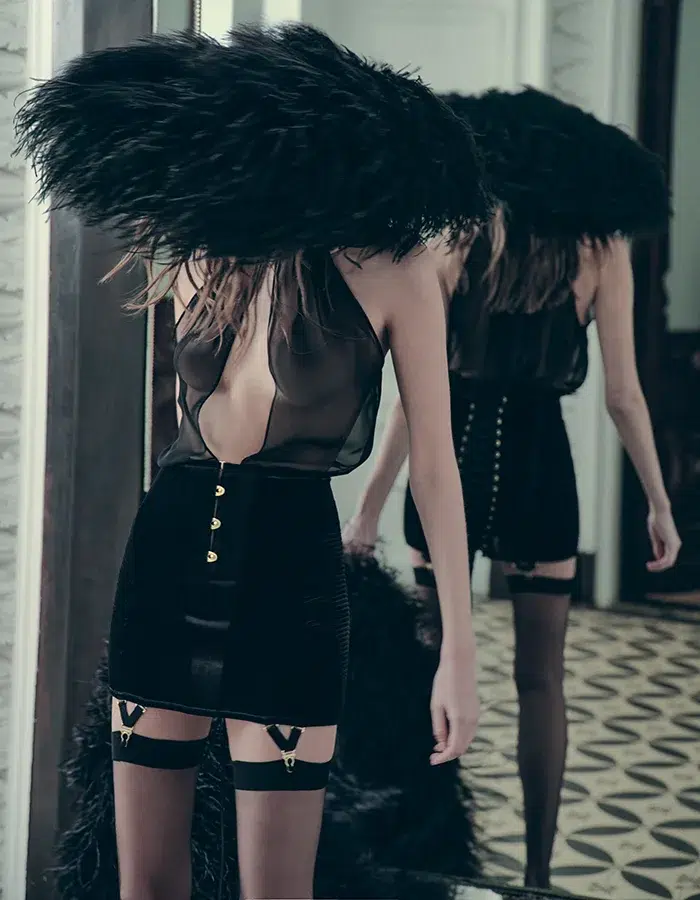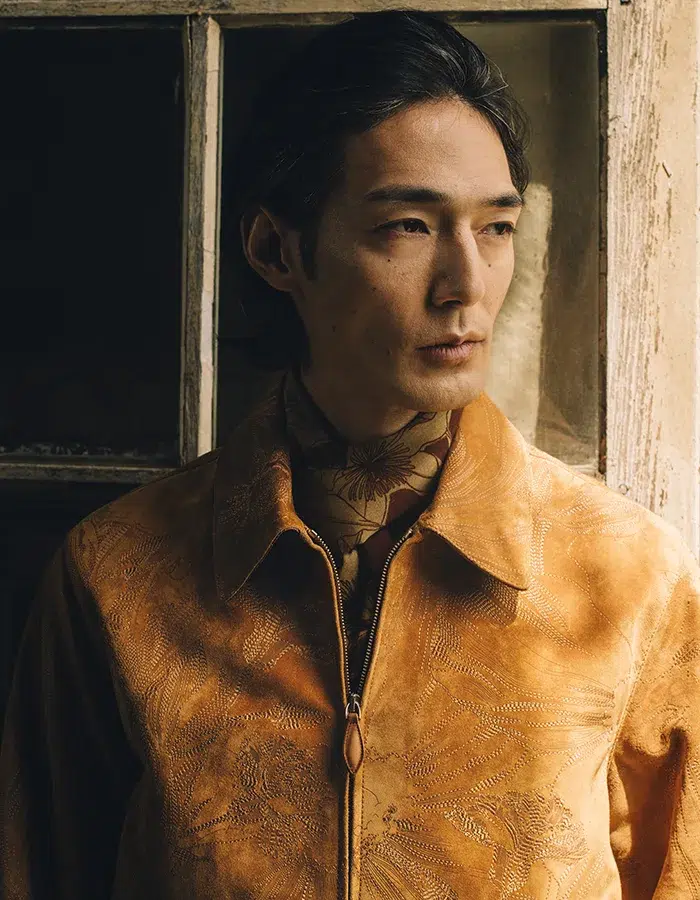


At Schiaparelli, a necklace is never simply a piece of jewelry. Gold takes center stage; and sculpted hands, eyes, or noses blur the line between fashion and art. Why do these anatomical fragments reappear so often, and what do they reveal about the fashion house?
Elsa Schiaparelli loved the unexpected. In the 1930s, she collaborated with Salvador Dalí and Jean Cocteau, already peppering her collections with stylized ears, lips, and profiles. Her penchant for visual play is indelibly ingrained in the brand's DNA. When the fashion house was reborn in the 21st century , these symbols reappeared as subtle nods to its founder.
At Schiaparelli, gold is more than just a plating. Daniel Roseberry, creative director since 2019, sees gold as a living material capable of rivaling the lights of the catwalks and museums. He uses it to adorn earrings, necklaces, and minaudières, evoking Elsa's baroque audacity while modernizing its codes. In the Fall/Winter 2025-2026 collection, gold even takes on a lighter touch, creating chandeliers where stylized eyes and noses are nestled.
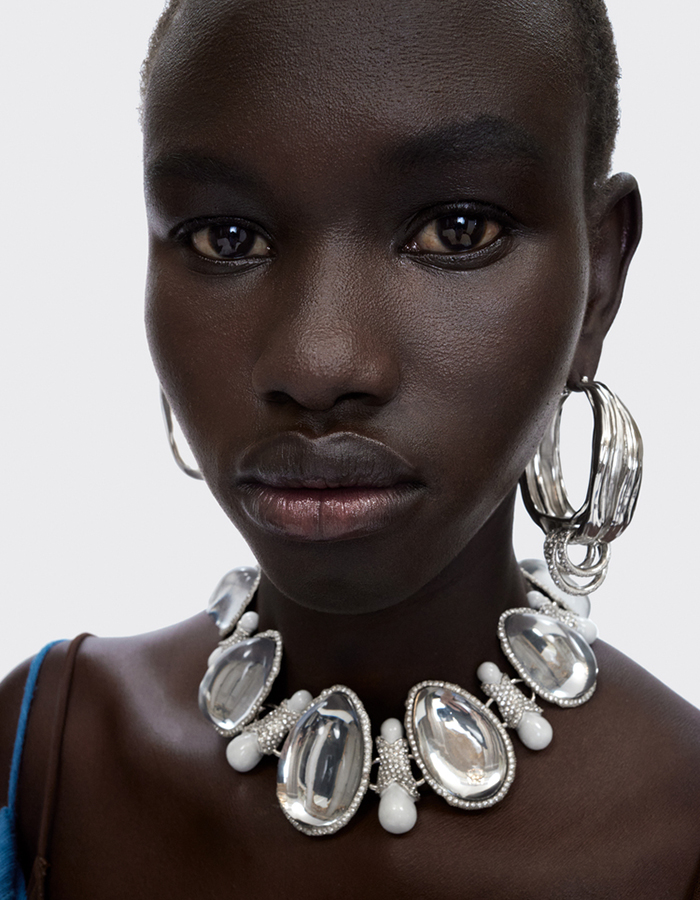
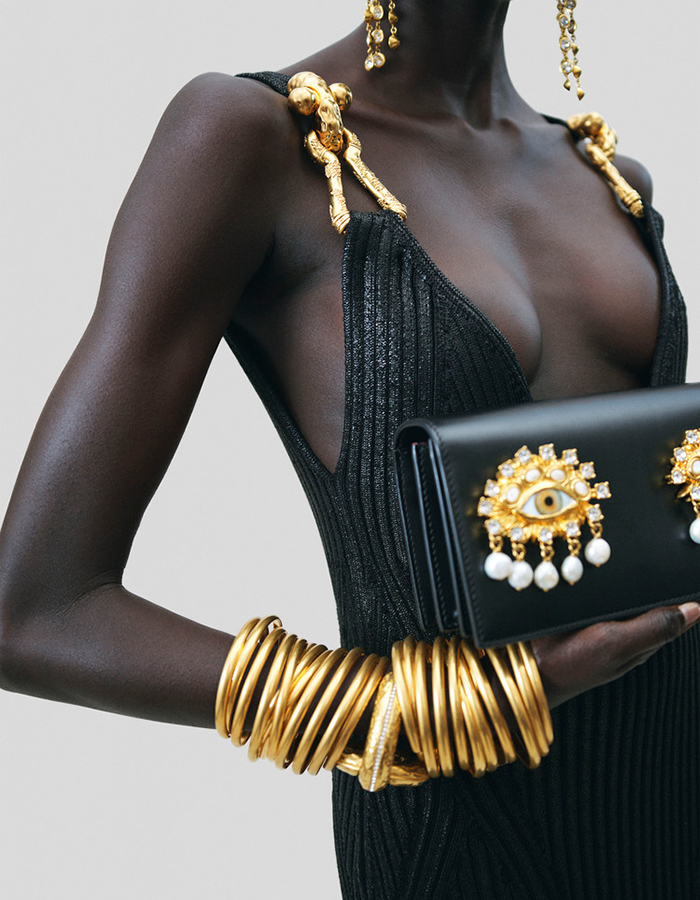
Why these details of our anatomy? First, because they embody the surrealist vision of the House of Schiaparelli. A hand resting on a collarbone becomes a gesture of protection, an eye suspended from an ear evokes inner vigilance, a sculpted nose recalls the freedom to experience the world in one's own way. Roseberry emphasizes that each piece of jewelry is an organ, as essential as a heart or a lung. The result prompts the viewer to ask: where does the body end, and where does ornamentation begin?
In addition to these gilded body parts, there's the keyhole, a small oval opening originally conceived by Elsa as a bag clasp, which has become an emblem of curiosity. Today, it appears on buttons, buckles, and pendants, suggesting that a mystery lies behind every outfit. This ongoing interplay of symbols creates a visual language that the brand reinterprets season after season without ever repeating itself.
By punctuating its creations with emblematic motifs, the House of Schiaparelli crafts an immediate mythology. The jewelry doesn't merely decorate; it tells a story of courage, lucidity, and curiosity. To cast an eye is to promise to see; to slip a hand over the jewelry is to promise to act. Gold serves as the binding element: it lends these little fables the brilliance of a talisman, one that is slipped deep within and instantly recognized by the world.
These anatomical fragments reappear because they remind us that creation only has meaning in relation to the person who wears it. For Schiaparelli, each piece of jewelry is a fragment of the soul made visible, a small testament to the continued dialogue between body and spirit. Far from being a muted luxury, gold becomes the vibrant language of this vision: it captures the light to better reveal our own sense of mystery and audacity.