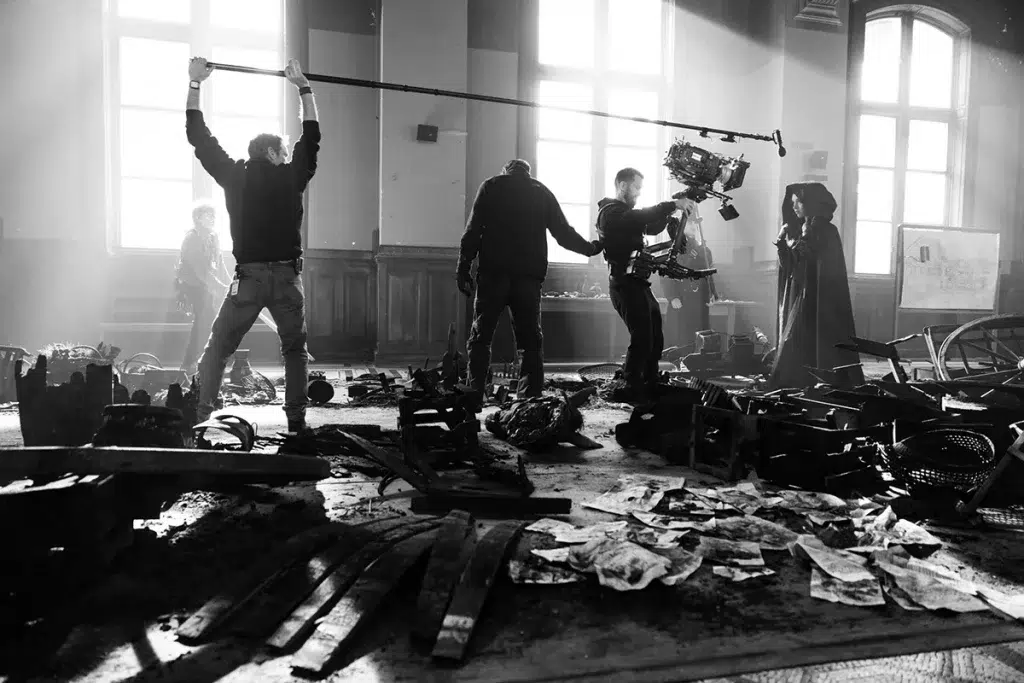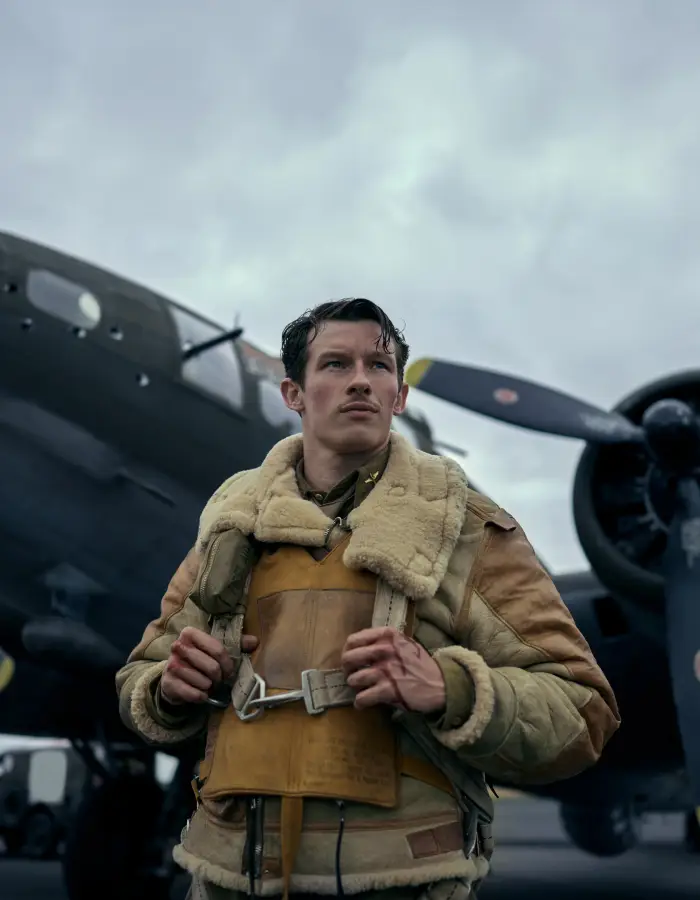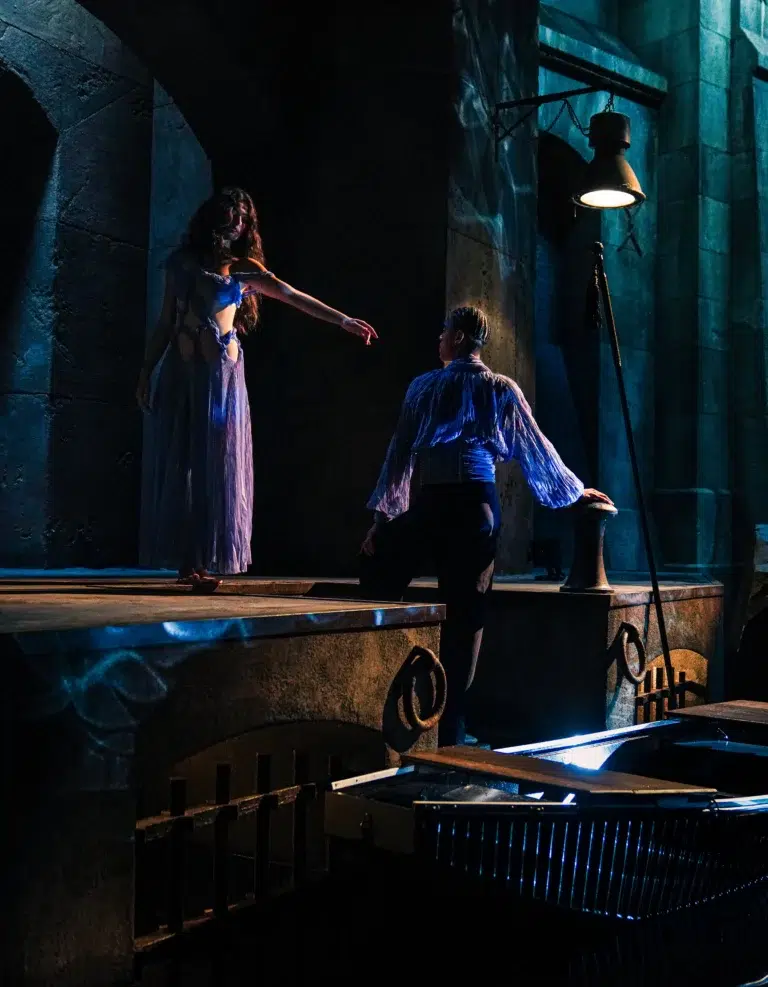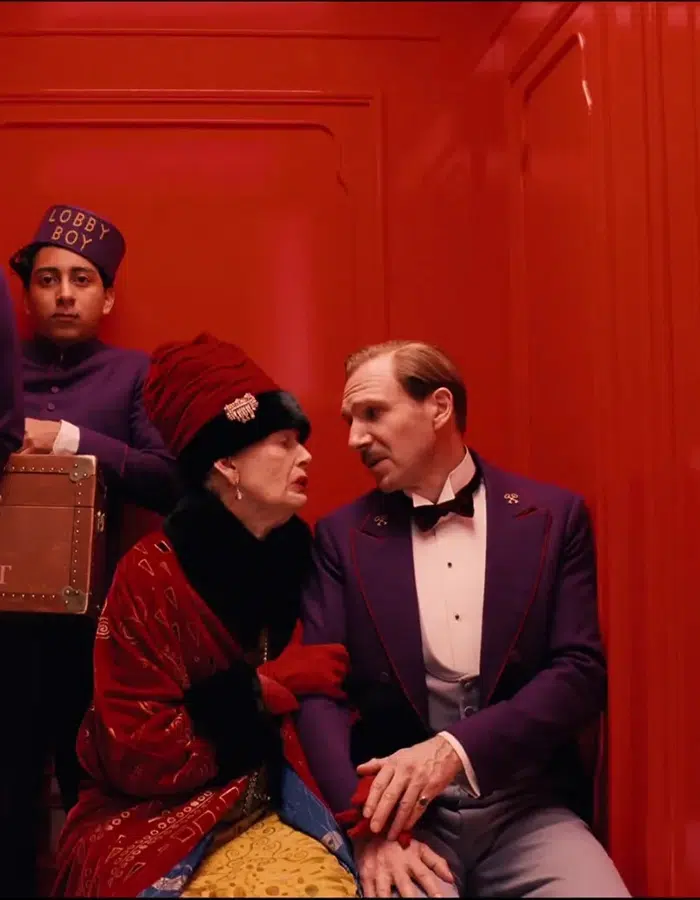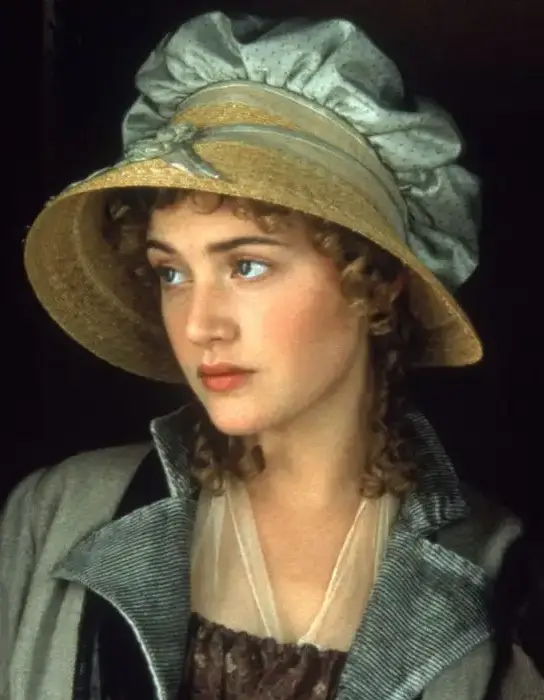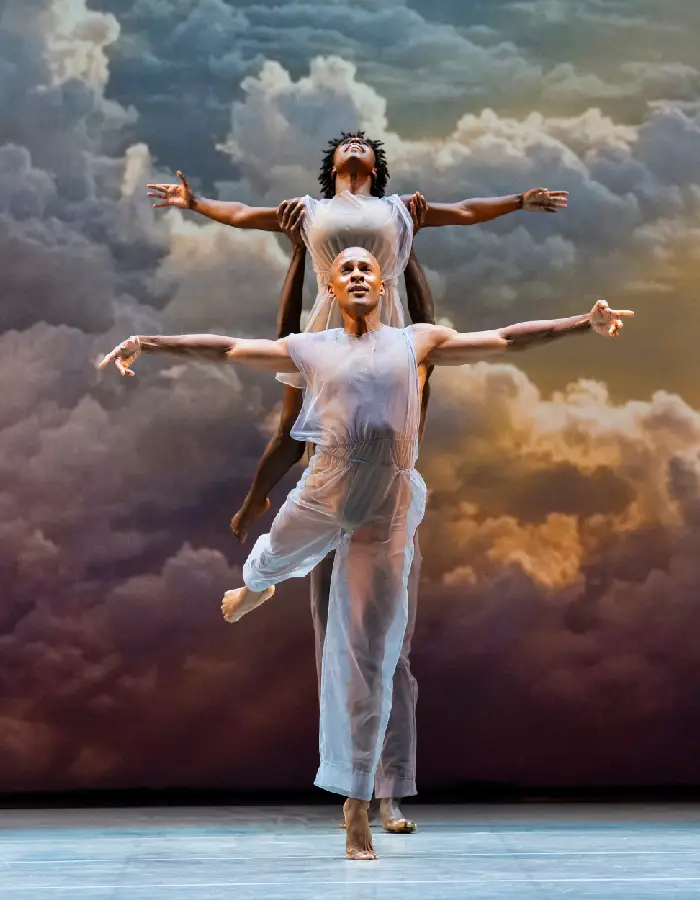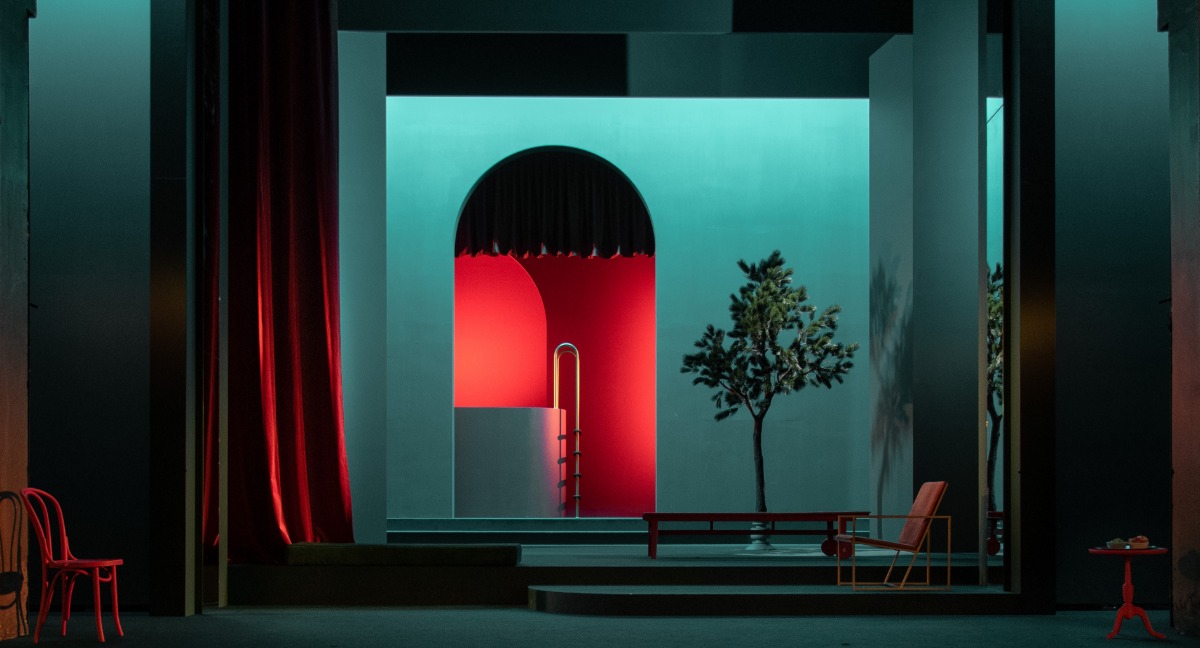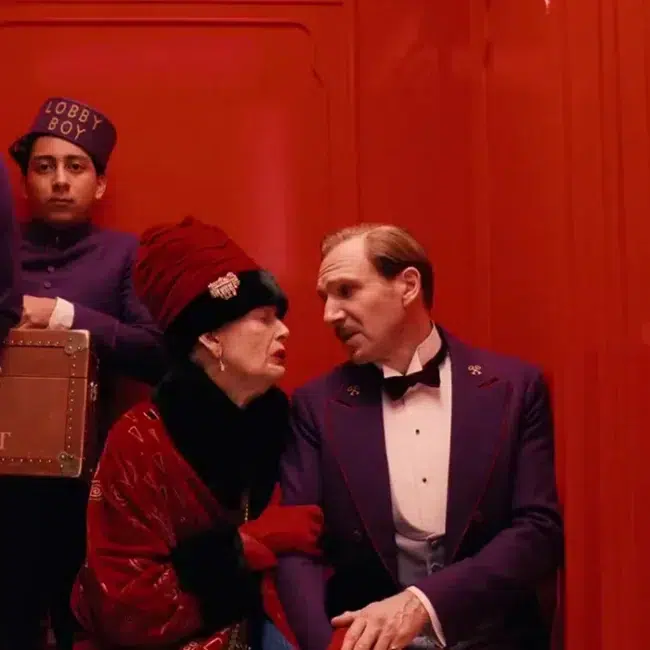
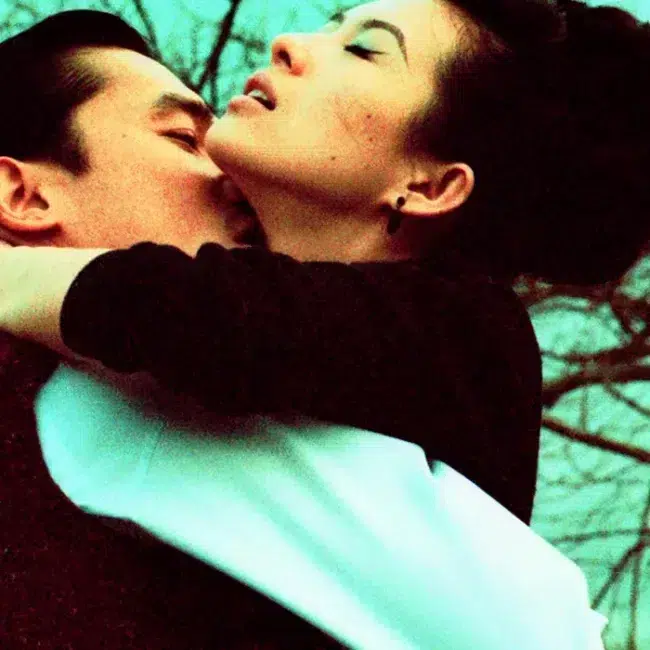
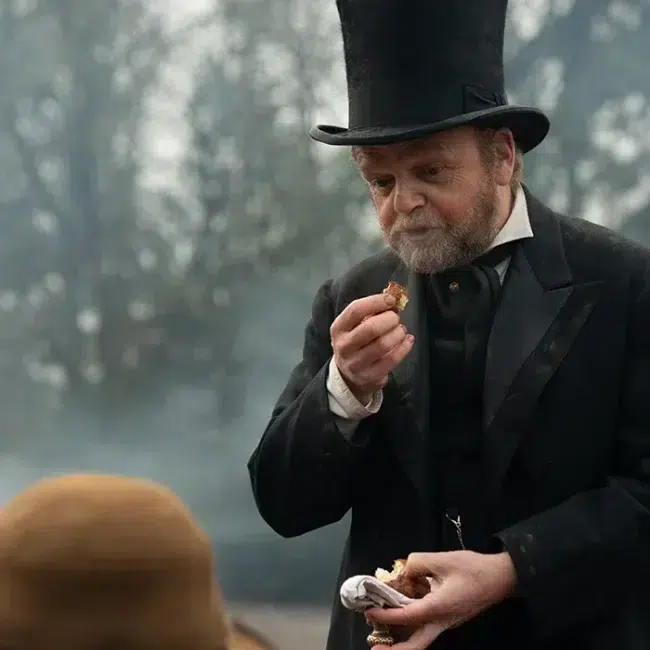
It's an unsung profession, yet essential in the world of cinema. Working closely with the actors and the set, the set photographer documents the filming, while also preparing the film's marketing – as it is often their photos that are used to create the poster.
Between posed photos and photojournalism, a portrait of a precious profession through three profiles and three generations of set photographers whose works are waiting to be discovered.
Roger Corbeau
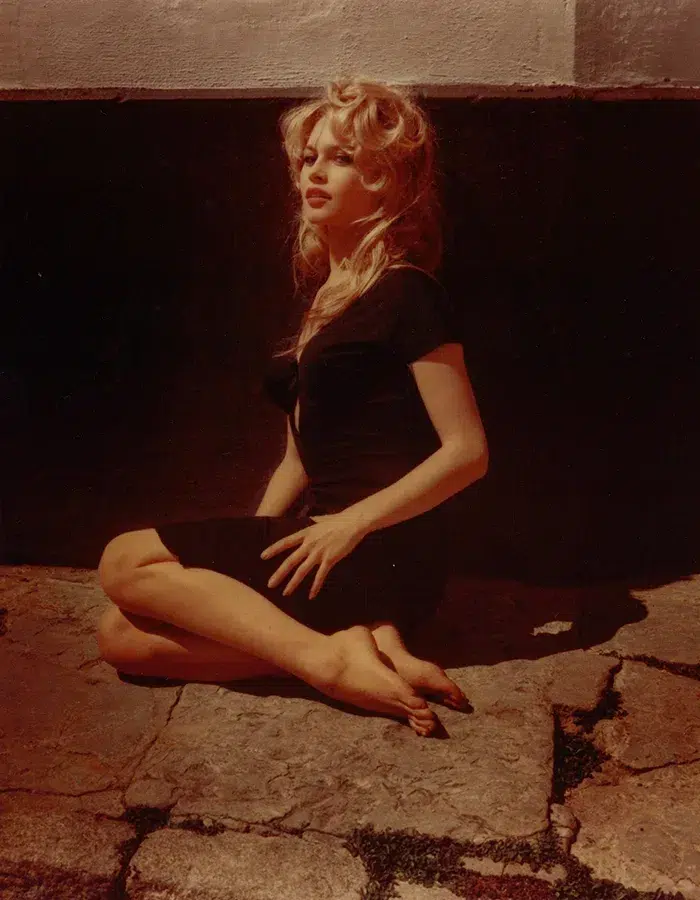
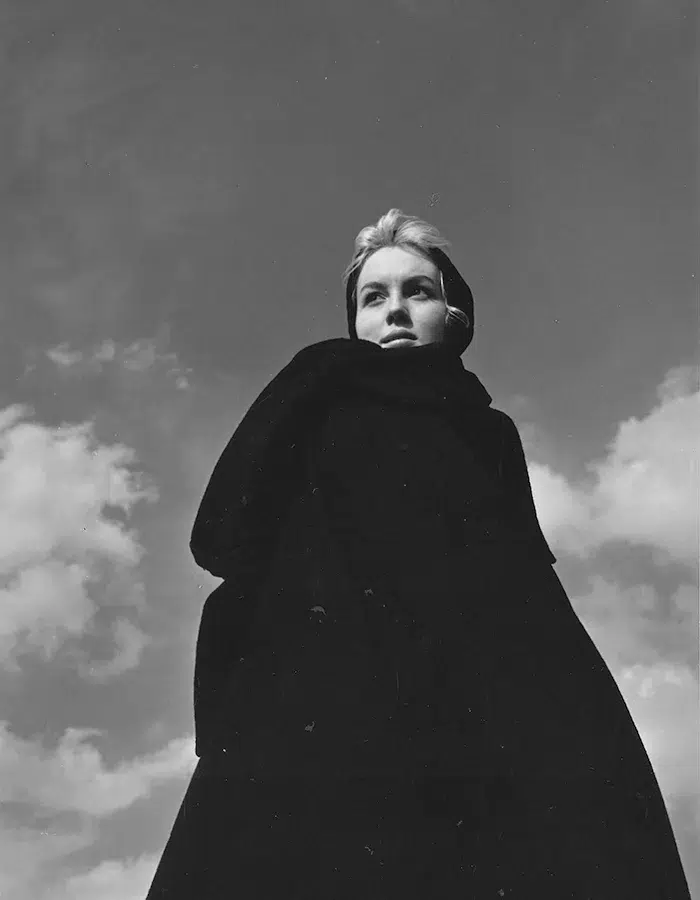
Born in 1908 in Alsace, Roger Corbeau was the most important set photographer in 20th-century French cinema . From Jean Renoir to Jean Cocteau, from Max Ophüls to Robert Bresson, and even including the exiled Americans Orson Welles and Jules Dassin, Roger Corbeau captured the essence of actors and actresses, contributing to the aesthetics of this post-war avant-garde cinema. His unique style, which transforms faces into works of art in a highly cinematic and expressionistic way, continues to impress and move audiences today. Until February 21, a rich exhibition at the Jérôme Seydoux-Pathé Foundation offers the opportunity to (re)discover the work and talent of Roger Corbeau, an exceptional photographer and pioneering cinephile, fascinated by the aesthetics of silent films by Fritz Lang and Jean Epstein, by Carl Theodor Dreyer's melancholic Joan of Arc, and by the ghostly beauty of Lillian Gish in D.W. Griffith's *Through the Storm* . These images inspired the photographer in his portraits, which in turn would inspire subsequent generations of photography enthusiasts.
"Roger Corbeau's Eye: Cinema Photographs"
Jérôme Seydoux-Pathé Foundation
73, avenue des Gobelins, Paris 13e
Until February 21, 2026
foundation-jeromeseydoux-pathe.com
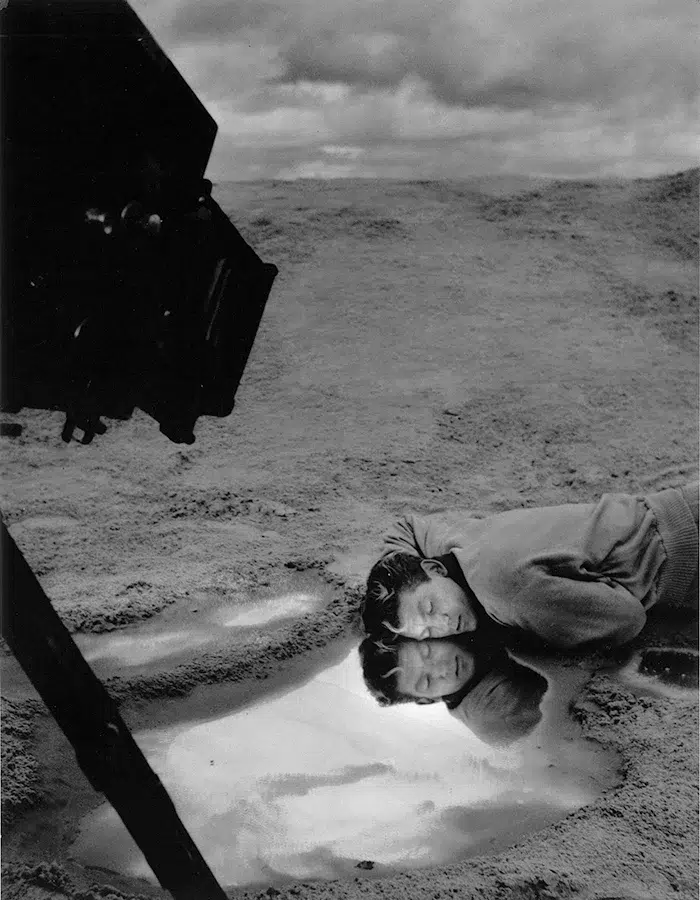
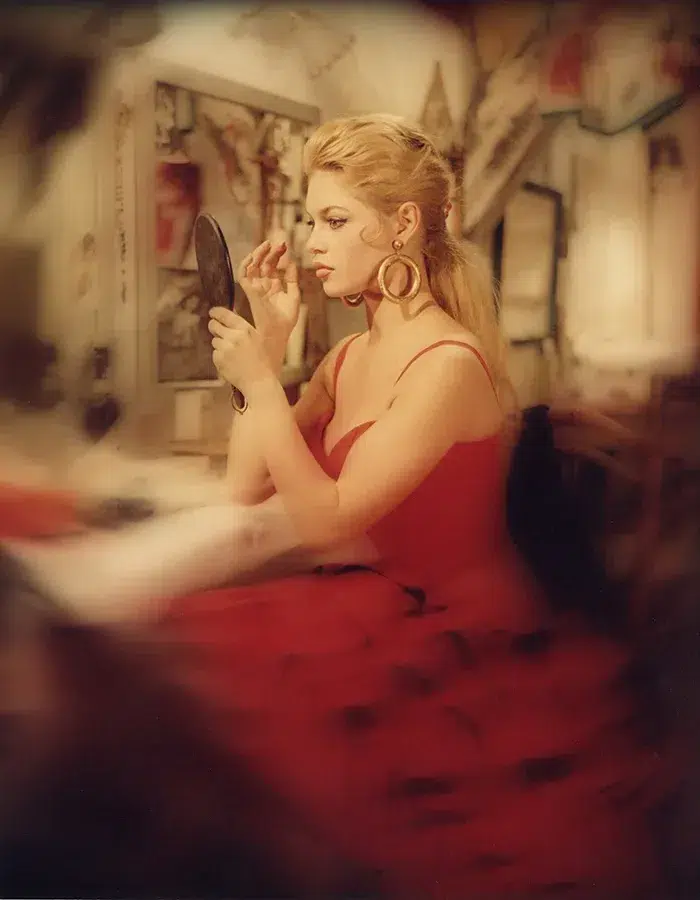
George Pierre
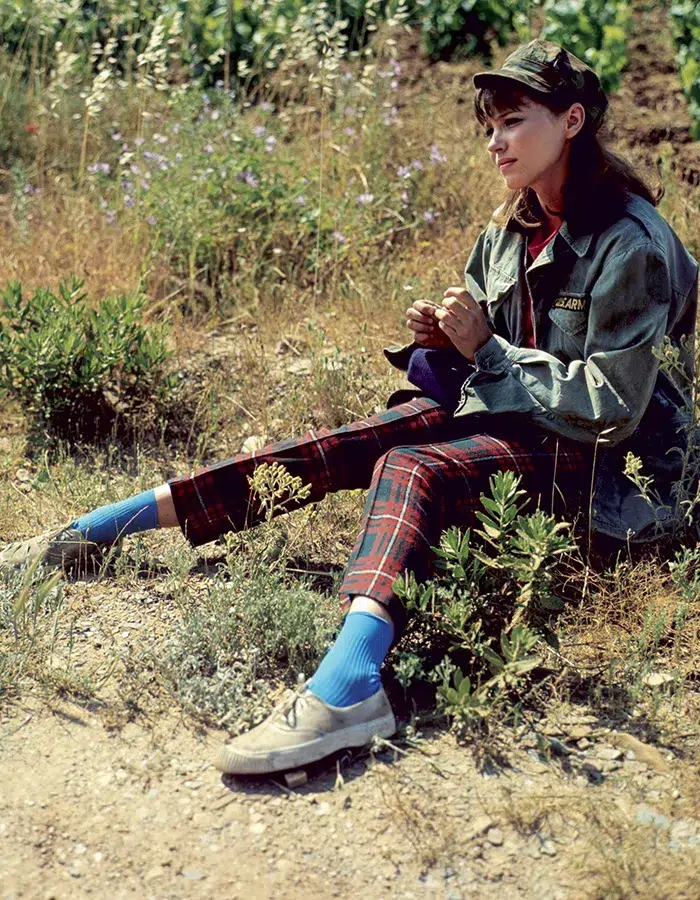
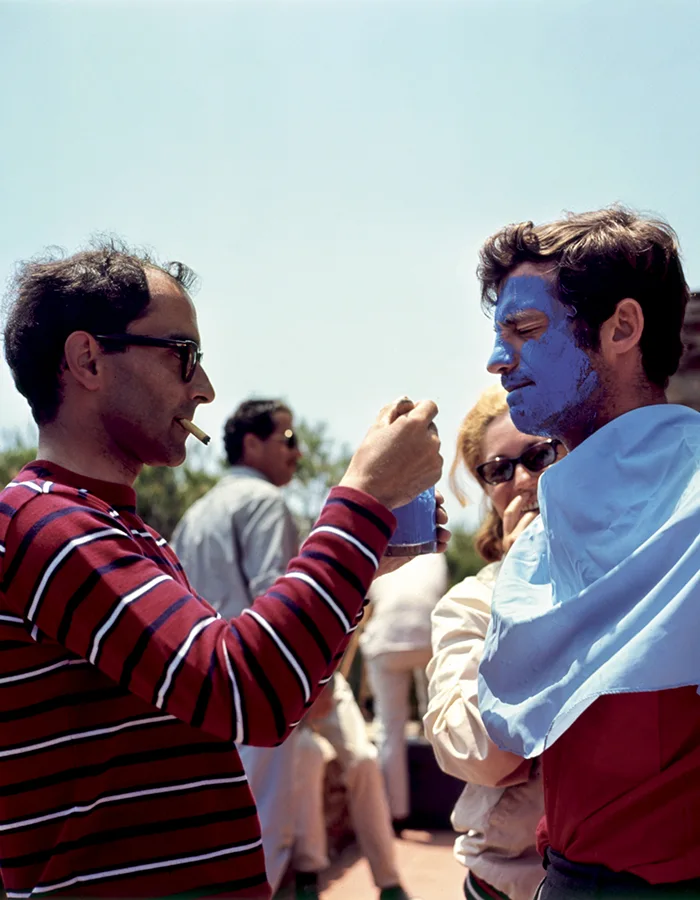
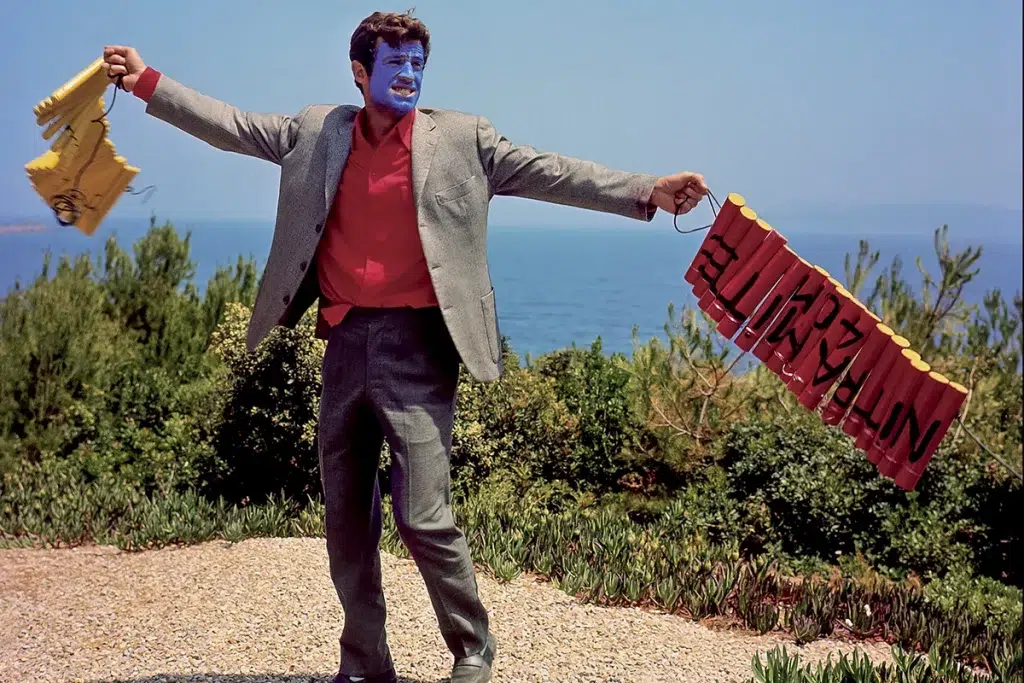
Born in 1921 in the Drôme region of France, Georges Pierre was a fashion photographer for Elle and Photo magazines before becoming a set photographer at the age of 40. It was on a film straddling the worlds of fashion and art cinema that Georges Pierre took his first cinematic photographs: Alain Resnais's Last Year at Marienbad (1961). A photographer of the French New Wave, it was his images of Pierrot le Fou, Jean-Luc Godard's sun-drenched film with its vibrant colors (1965), that contributed to his international reputation. Known for his discretion—praised in particular by Marlène Jobert, for whom he later became the favorite photographer—Georges Pierre dedicated himself to the film, and his photographs cemented the filmmakers' work in legend, while also providing invaluable material for future historians. In a lavish book recently published by Neva, dedicated to his work on Pierrot le Fou , one can admire some very beautiful portraits of Jean-Paul Belmondo or Anna Karina, or the famous photograph of the couple kissing from their respective cars, which was used for the poster of the Cannes Film Festival in 2018. But above all, one discovers very rare, even unpublished, reportage-style photographs that testify to the joyful and lighthearted atmosphere that seemed to reign on the set of this mythical film.
Pierrot le Fou as seen through the lens of Georges Pierre
Neva Editions, November 2025
Roger Do Minh
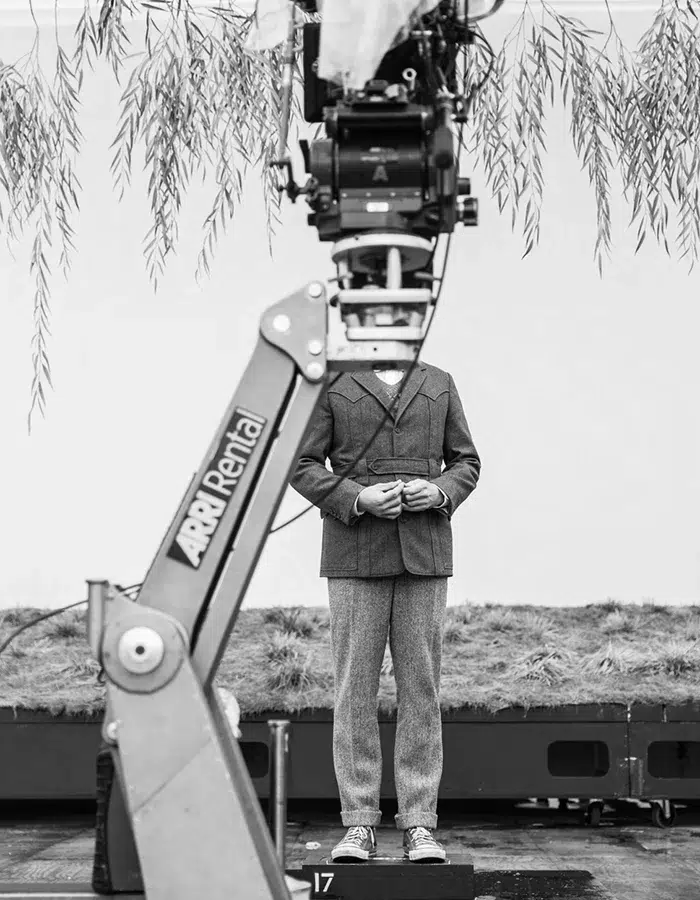
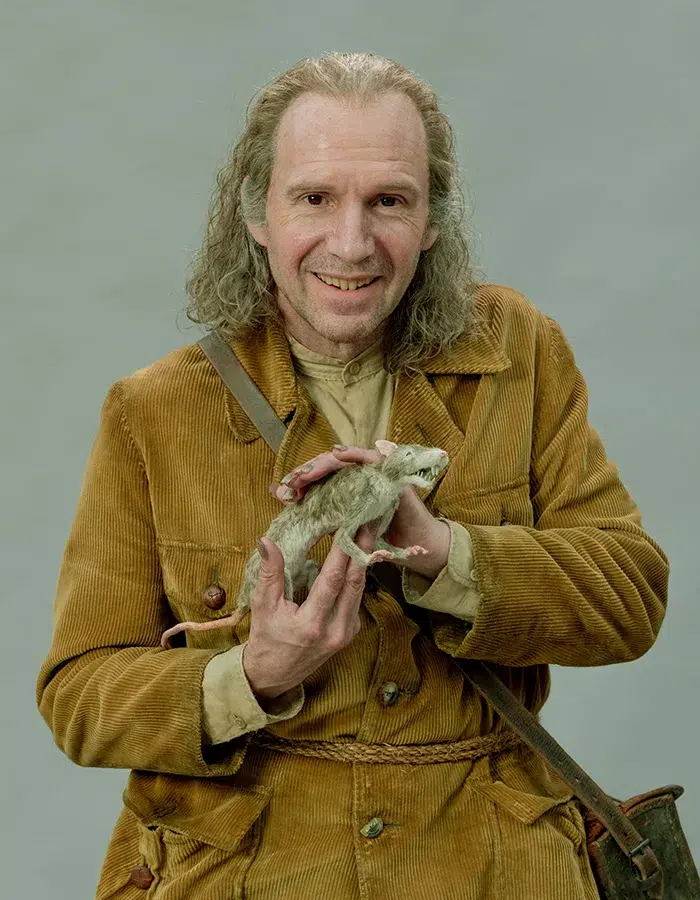
Born in Toulouse in 1982, Roger Do Minh has worked on numerous contemporary films and series, from Donald Glover's Atlanta to Martin Bourboulon's Carême , and has also photographed the band Phoenix. But he is best known for his work on Wes Anderson's films. Roger Do Minh has been a loyal member of Wes Anderson's team since The French Dispatch, filmed in Angoulême in 2018. Two feature films and four short films later, the Frenchman is still a regular on the American director's sets, whether they take place on location near Madrid ( Asteroid City ) or at Babelsberg Studios in Berlin ( The Phoenician Scheme ). In Roger Do Minh's photographs, we clearly see the filmmaker's keen sense of framing and set design, but Wes Anderson himself often appears in the images, with his particularly polished look, like a character in his stories. Roger Do Minh's photographs for Wes Anderson are thus in themselves true "Wes Andersonian" objects, like an extension of the films' teeming universe.
Some prints of Roger Do Minh's photographs are for sale on his website: rogerdominh.pixieset.com