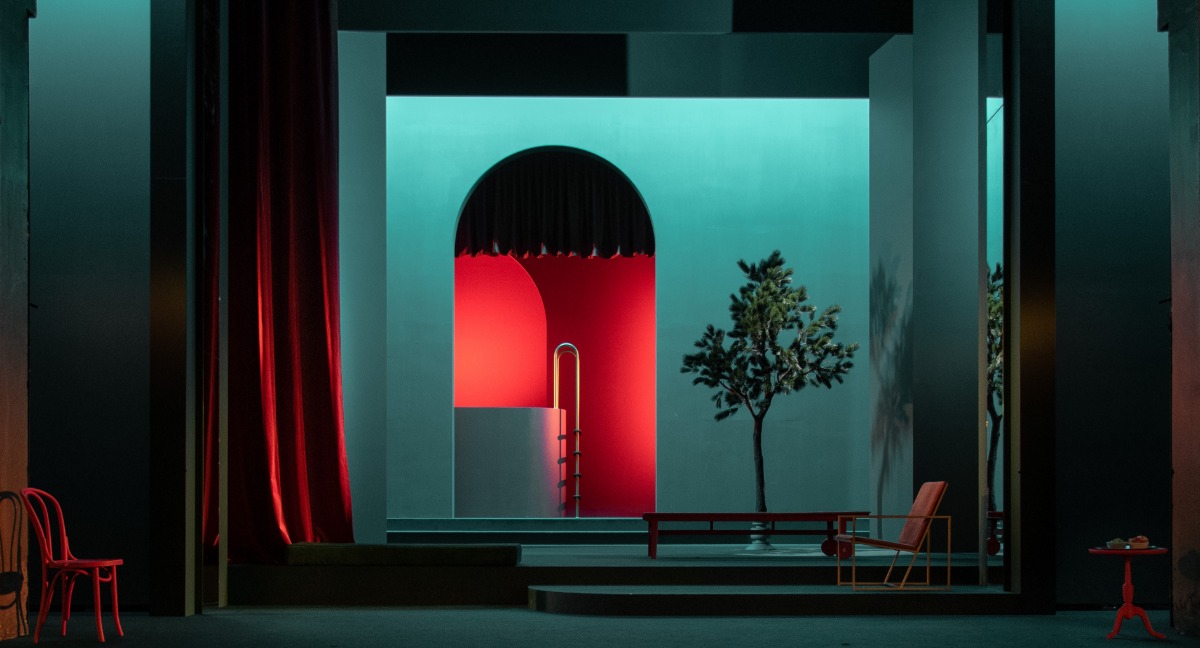

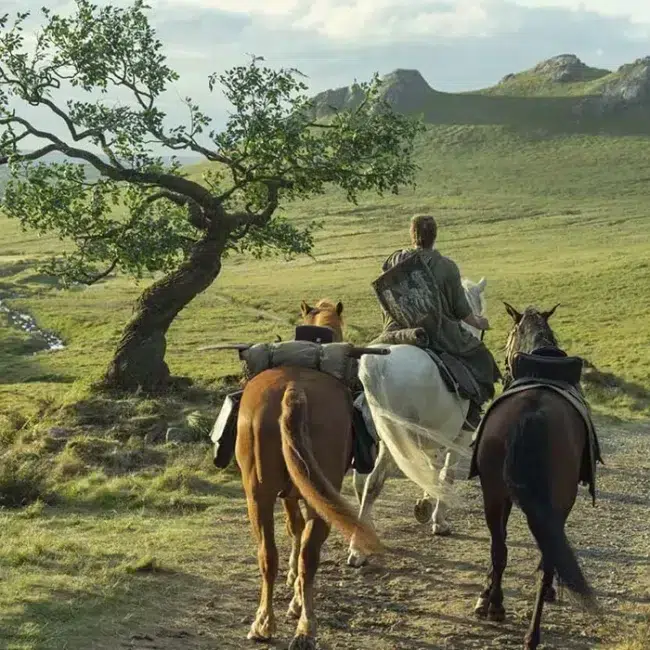
Slow horses et Foundation These two Apple TV series offer a glimpse into the lives of individuals pushed to their limits. They portray characters facing life's challenges, from space exploration to espionage. How are questions concerning humanity and its challenges represented in these two distinct contexts?
One series takes place on Earth, in England, with stereotypical, strong-willed characters driven by hope or the instinct for survival. The authenticity of Slow Horses captures our attention because it lingers on believable, seemingly insignificant details that contrast with the highly dramatic facade of the narrative. The other series is set in space, where the question of humanity's prosperity reaches its limits. In Foundation, when the population is on the verge of extinction, what duty falls upon humanity, and how can it circumvent the predictions of a self-assured visionary?
Slow horses
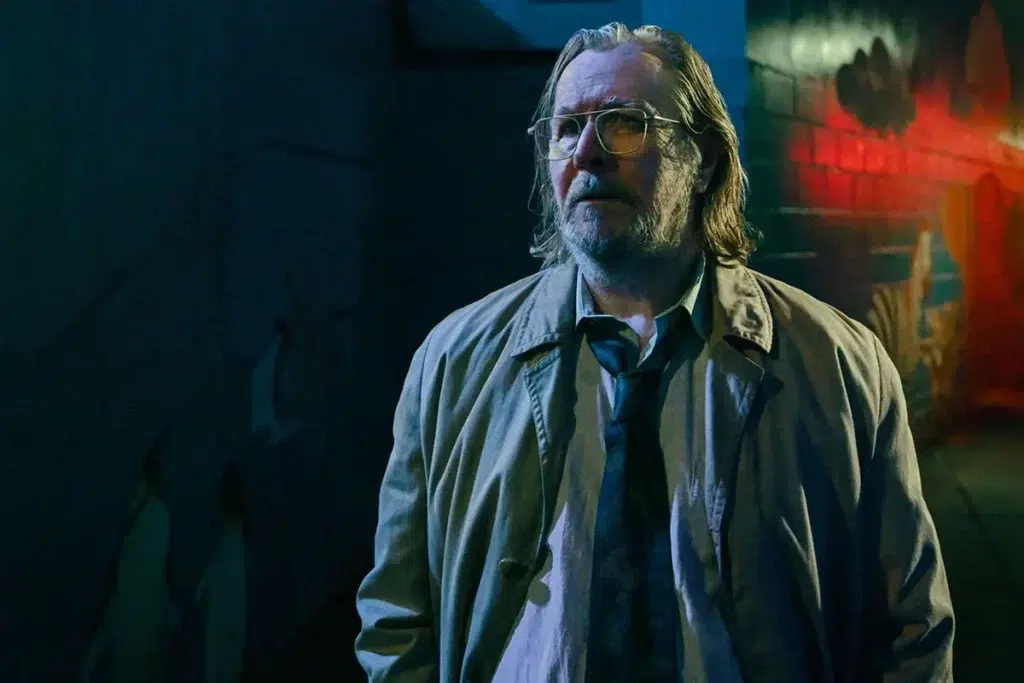
Apple TV's spy series, Slow Horses, reinterprets the myth of British intelligence by deliberately eschewing the glamour of James Bond-style spies. Here, there are no immaculate suits or futuristic gadgets, but rather a team of MI5's "misfits" relegated to a building nicknamed "Slough House." Each of them has made a professional mistake, sometimes tragic and often humiliating, that has condemned them to pointless missions. Yet, behind this label of walking failures lie deeply human agents, harboring flaws and weaknesses that make them strangely endearing.
Betrayals, kidnappings, ideological conflicts, and high-risk operations regularly disrupt their routine, forcing them to relentlessly plunge back into a world of action they thought they had left behind. Producer-writer Will Smith (not the actor) perfectly sums up the essence of the series: "They all carry their everyday problems (divorce, alcoholism, grief...). What fascinates me is putting ordinary people in extraordinary action situations." The series constantly plays with a sense of failure and biting irony. Dark humor is omnipresent, notably embodied by the masterful character of Jackson Lamb (Gary Oldman), a disillusioned, disagreeable, and brilliant leader who single-handedly encapsulates the complexity of this world. Far from being a simple parody, the series reveals moments of profound humanity. This singular charm is also expressed in the small, everyday scenes: a coffee reheated ten times, a cutting remark tossed off casually, a meaningful glance. These details ground the narrative in a raw reality, which contrasts with the action sequences and creates a delightful balance between realism and dramatic tension. Slow Horses stands out as one of the most original spy series of recent years.
Foundation
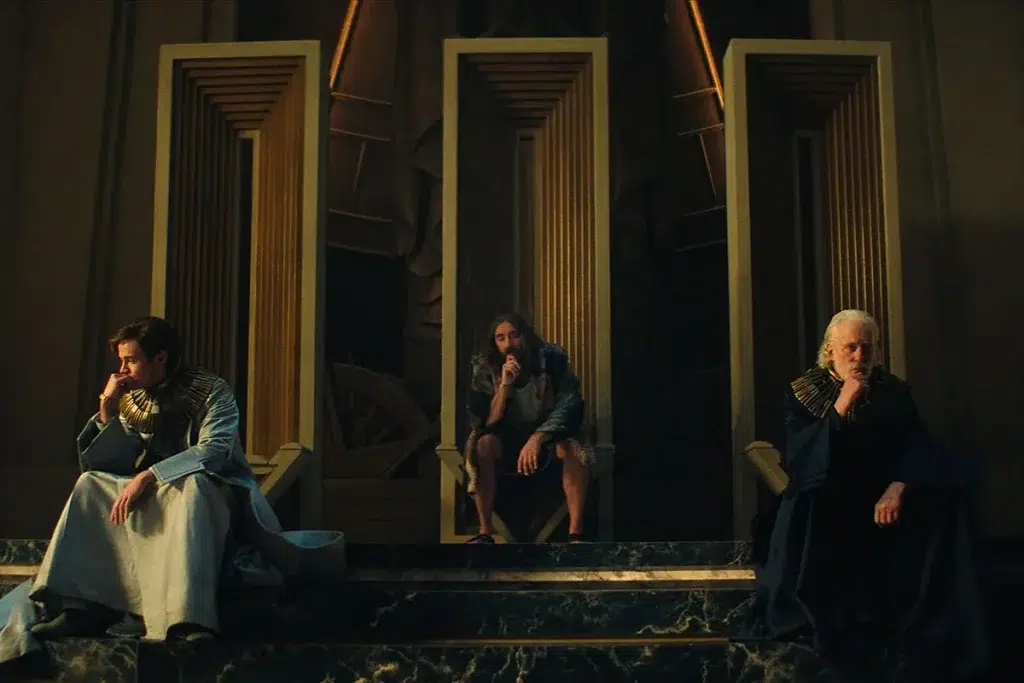
Adapted from Isaac Asimov's monumental work, Foundation is one of Apple TV's flagship series. An ambitious science-fiction epic, it explores the strengths and weaknesses of human civilization on a galactic scale. The visual universe is sumptuous, the narrative is dense, and the series as a whole offers a profound reflection on power, religion, and progress. It transcends the simple "space opera" genre to become a reflection on the future of humanity. At the heart of the story is the visionary mathematician Hari Seldon (Jared Harris), the originator of "psychohistory," a science capable of predicting the fate of societies. According to his calculations, the Galactic Empire is doomed to collapse. To mitigate the consequences, Seldon and his followers propose creating a foundation tasked with preserving knowledge and guiding humanity through centuries of chaos. Aesthetics play a central role: monumental sets, planets with strong identities, futuristic technologies, and action scenes of rare intensity compose a coherent and hypnotic universe. But beyond the spectacle, the series distinguishes itself through its philosophical questions: can we truly control the future? Can power be passed on without corruption? The series shows how individual ambitions, often fragile and sometimes shattered, intertwine with the grand march of history. Love, grief, fear, ambition, sacrifice: these are all human emotions that permeate the narrative. It is this interplay between grandeur and vulnerability that gives Foundation its unique character. This saga reminds us that behind every empire, every revolution, and every prophecy, it is always imperfect, complex, and unpredictable humans who decide the fate of the world. An ambitious, thoughtful, and captivating series that offers as much awe as it does emotion.
Slow Horses and Foundation revisit very different genres while imbuing them with real depth. From disillusioned espionage to galactic empires, these two series each explore, in their own way, human frailties and the weight of individual choices. Two ambitious offerings that confirm the vitality and diversity of current television series production.