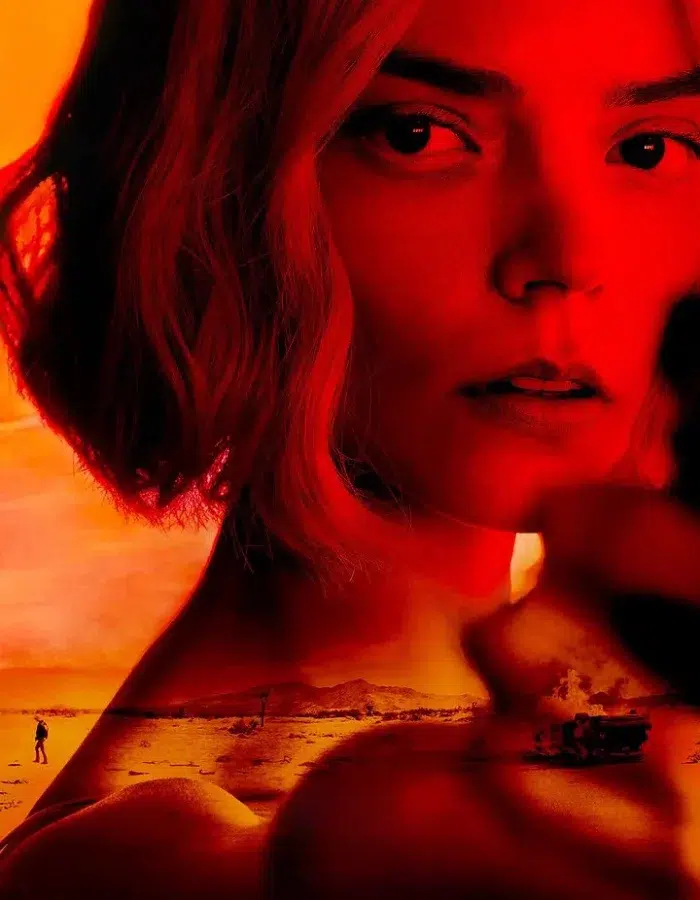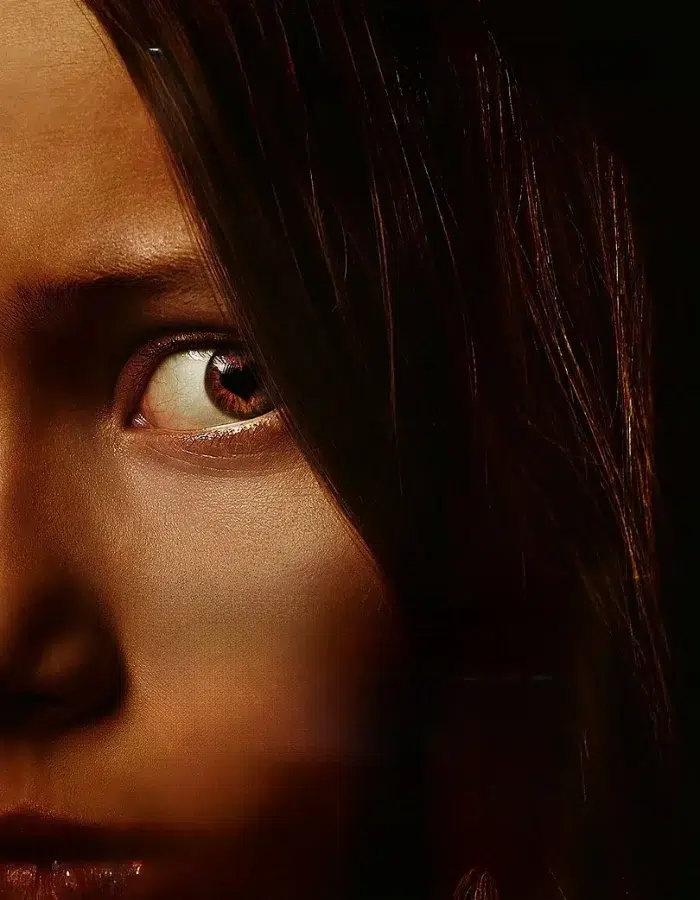
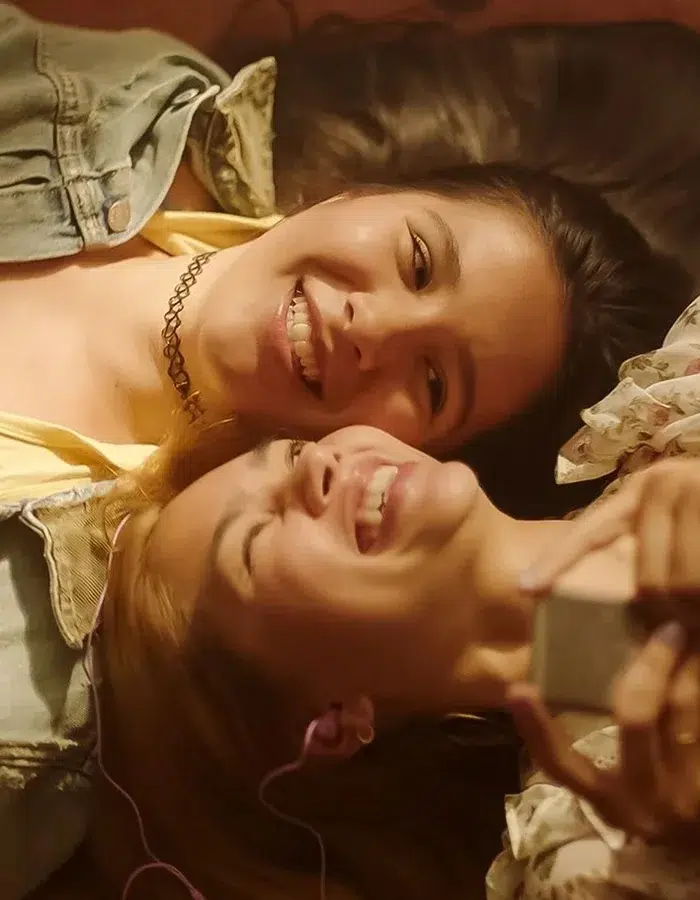
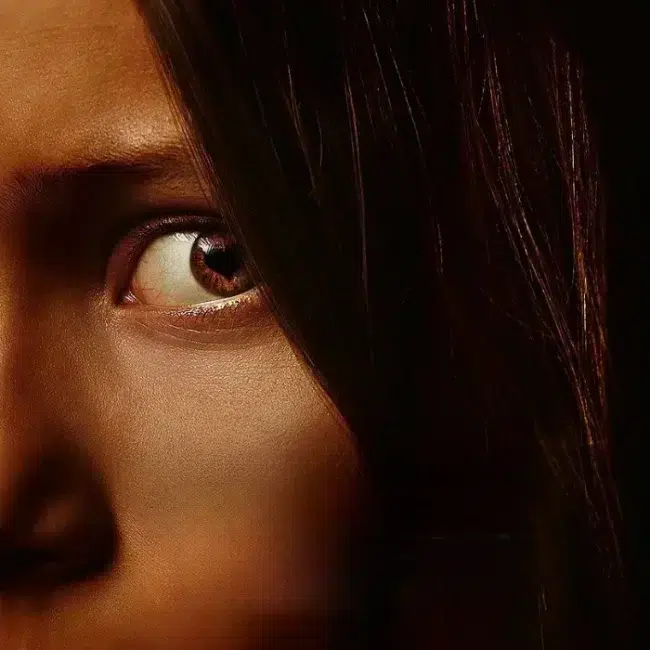
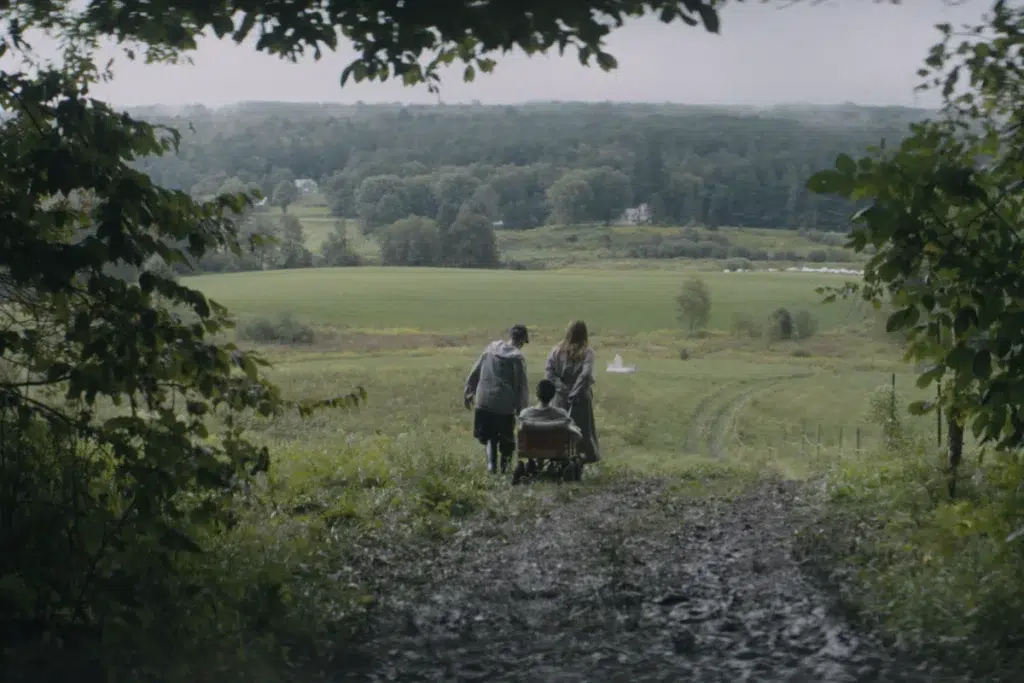
Brigitte Poupart's debut feature film, Where Do Souls Go, brings together Monia Chokri, Sara Montpetit, Julianne Côté, and Sylvie Testud in a story of sisterhood, grief, and domestic violence. A film that refuses to choose between beauty and pain.
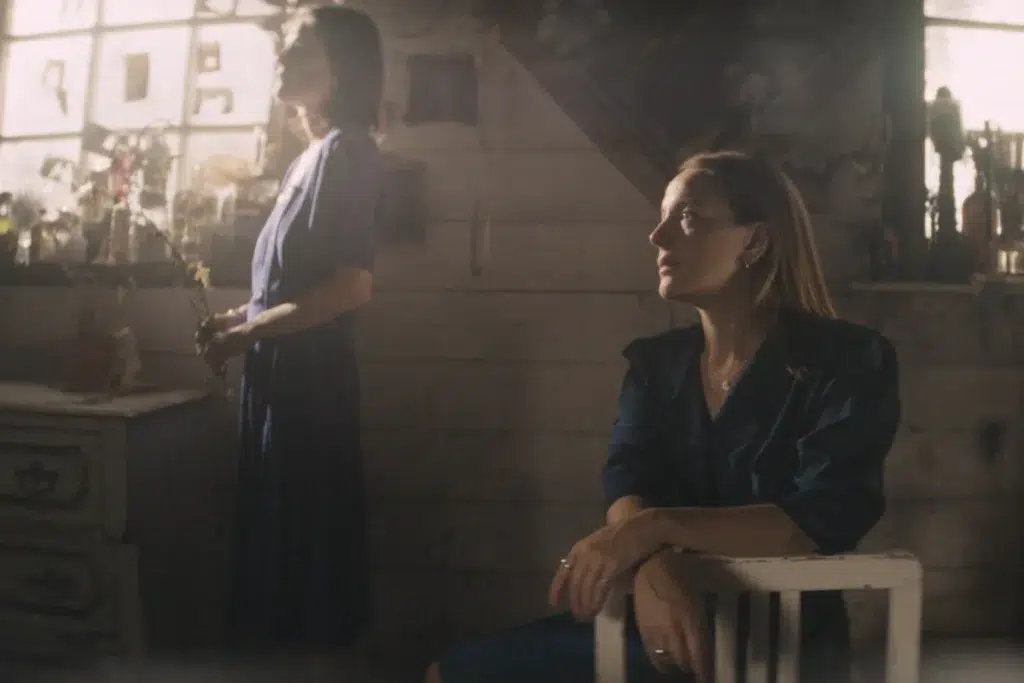
Anna is 18 years old. She has requested medical assistance in dying. And she has given herself fifteen days to see her two half-sisters before she passes away. It is on this countdown that Where Do Souls Go opens , the first feature film by Brigitte Poupart, a multidisciplinary Quebec artist whose work, for thirty years, spans theatre, documentary, virtual reality and directing, notably for Cirque du Soleil with Luzia.
The film features four actresses: Sara Montpetit as Anna, Monia Chokri and Julianne Côté as half-sisters Eve and Eleanor, and Sylvie Testud as the mother. The director herself describes the cast as a dream; she says she could hear them while writing the script.
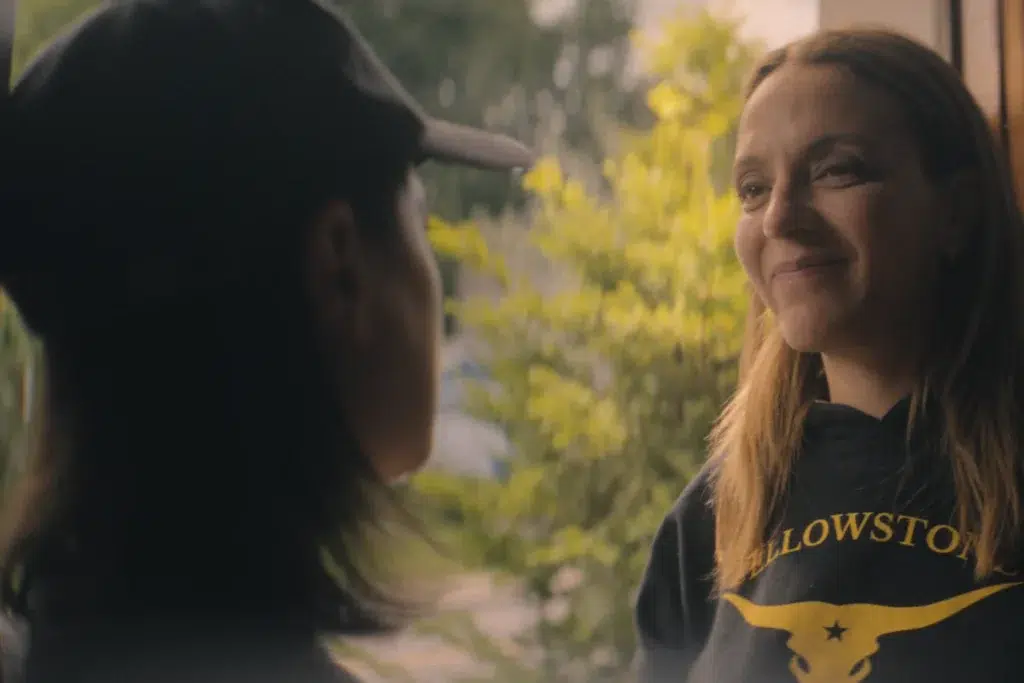
Three sisters, an absent yet ever-present father
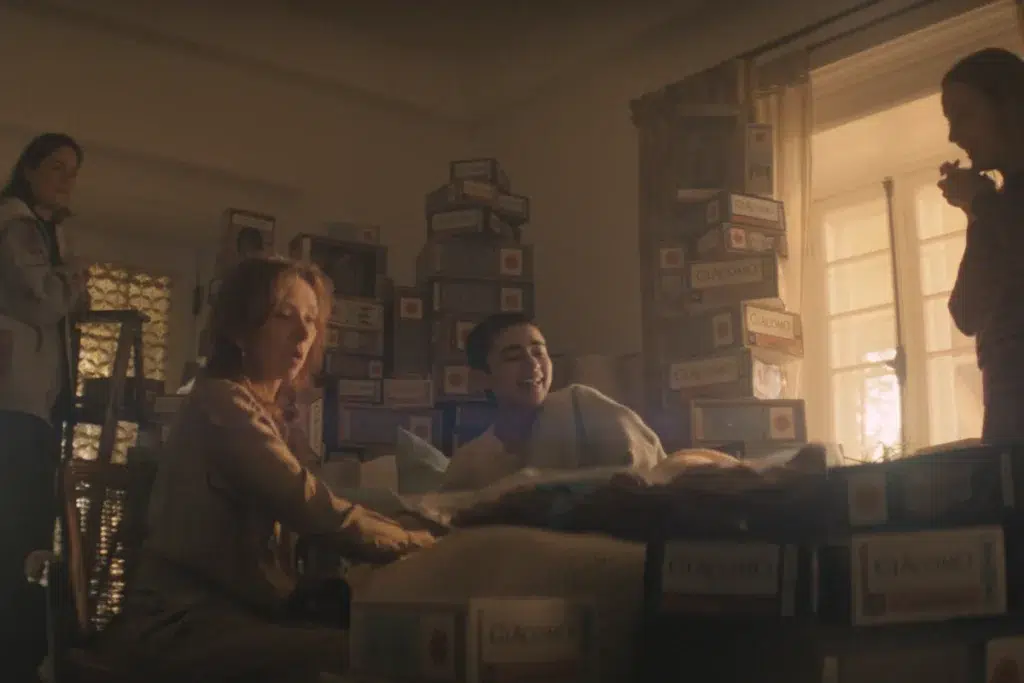
What unites the three women is also what separated them: a father convicted of rape, whose voice is heard only on the phone and whose face is never seen. This deliberate choice is central to the film's message. Brigitte Poupart didn't want the audience to become attached to a particular actor, didn't want to generate any sympathy. The father exists in the film as patriarchy exists in life: through his physical absence and his omnipresence in everything else. The piano in the house is his. The tensions between the women stem from him. The house on the shores of Lake Saint-Louis, where the drama unfolds, bears his mark everywhere.
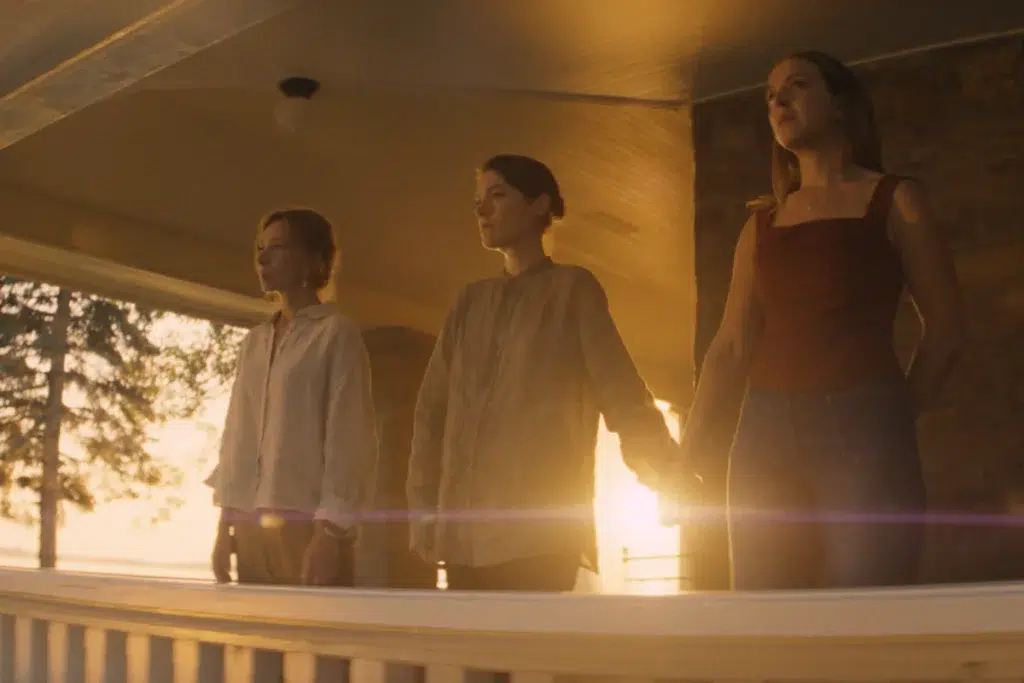
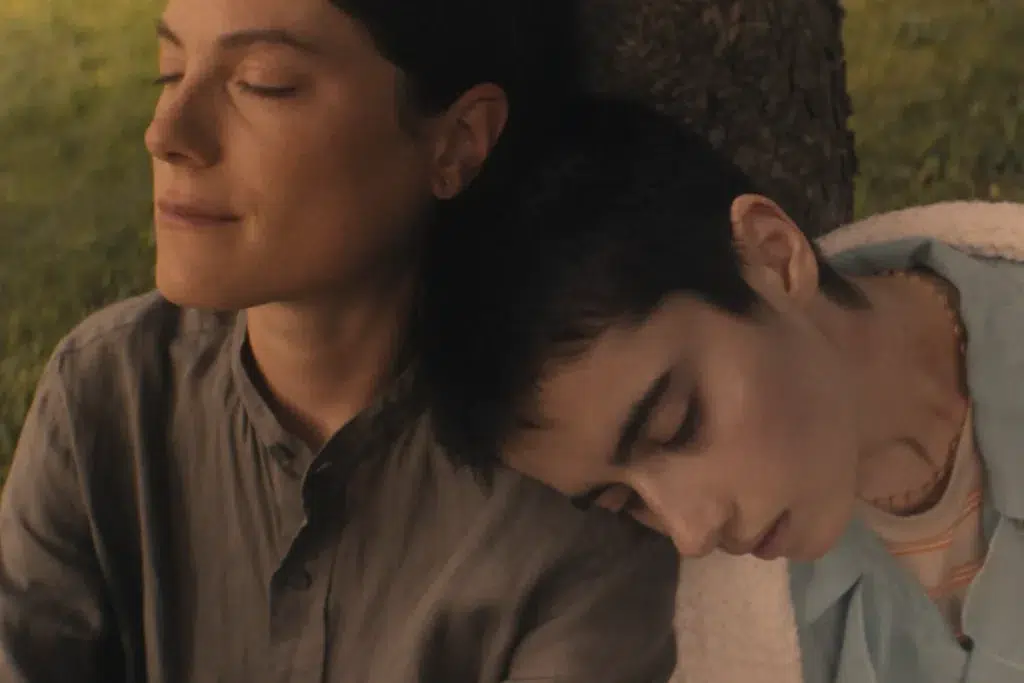
Faced with this legacy, each of the three sisters has taken a different stance. Eve, the eldest, completely disowns her father. Eleanor believes in forgiveness. Anna, on the other hand, refuses to acknowledge her guilt. Three positions, three pains, three ways of trying to move on with life. What Poupart wanted to film is not the perpetrator or the victims, but what she calls the collateral victims: those who bear witness, who love despite everything, who carry a past they did not choose and yet must continue to exist with it.
The film's suspense doesn't stem from Anna's death, which is foreshadowed at the beginning. It lies in the question of whether these women will manage to reunite before the end. Whether sisterhood is possible after betrayal.
A death filmed from the inside
To accurately portray medical assistance in dying, Brigitte Poupart worked closely with a doctor who performs the procedure, who was present on set. The words spoken by actress Fabiola Aladin (who plays the doctor) at the end of the film are exactly those of the actual procedure. The director describes this moment as one of the most moving of the shoot.
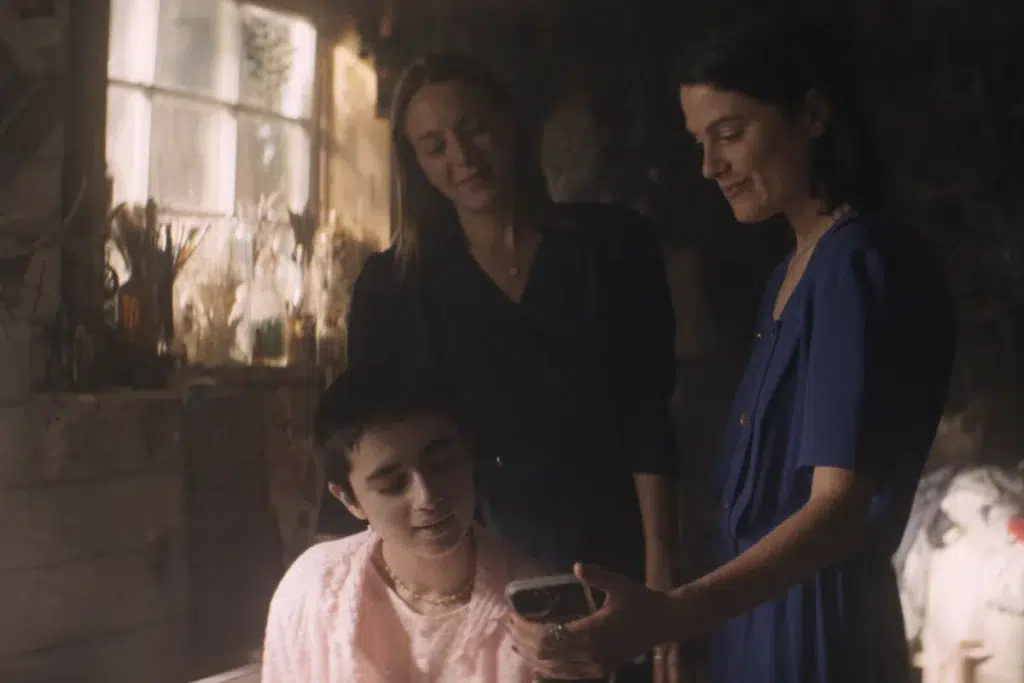
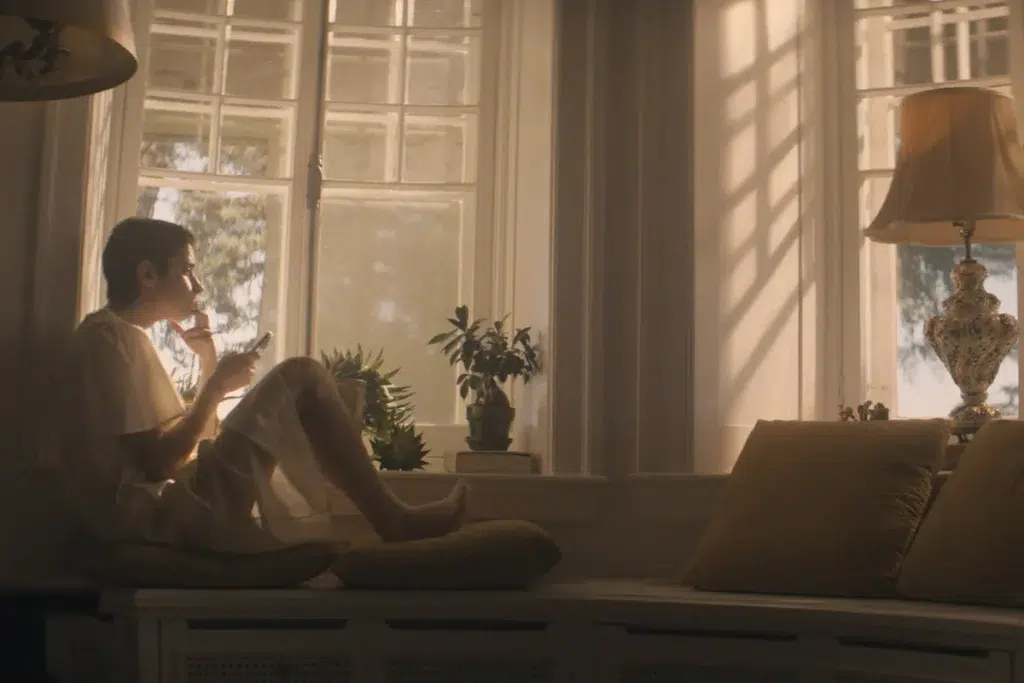
Meanwhile, Anna documents his death on social media. She films the beauty of the mundane. Her two sisters want to forbid her from doing so, fearing that this visibility will help their father obtain parole. This detail speaks volumes about the film's structure: even in the final days of a life, the father's presence is undeniable.
Beauty versus pain
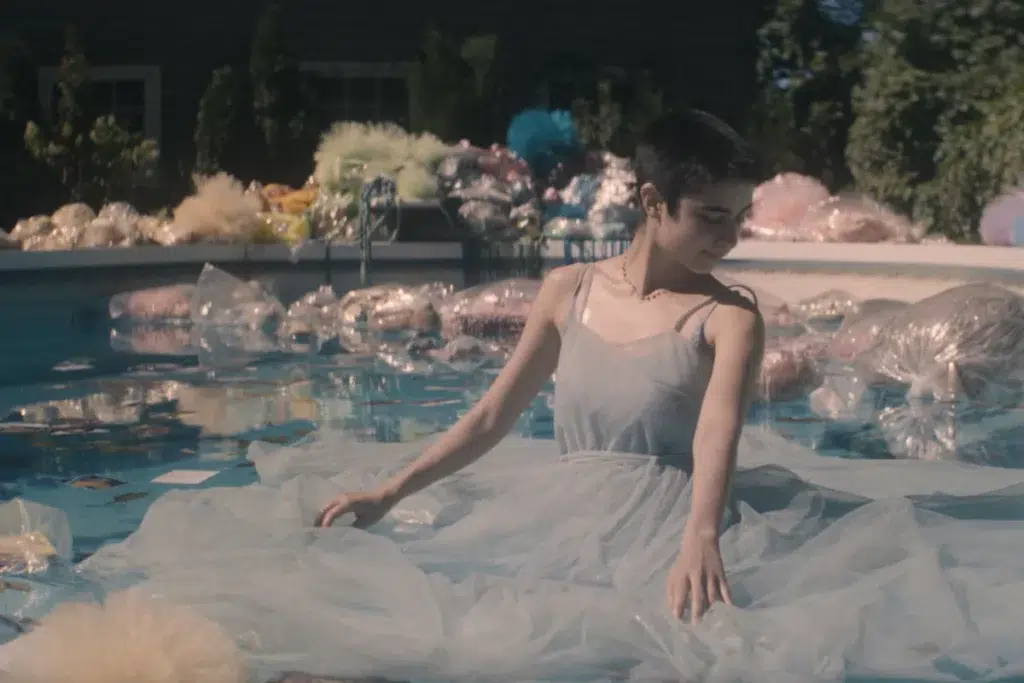
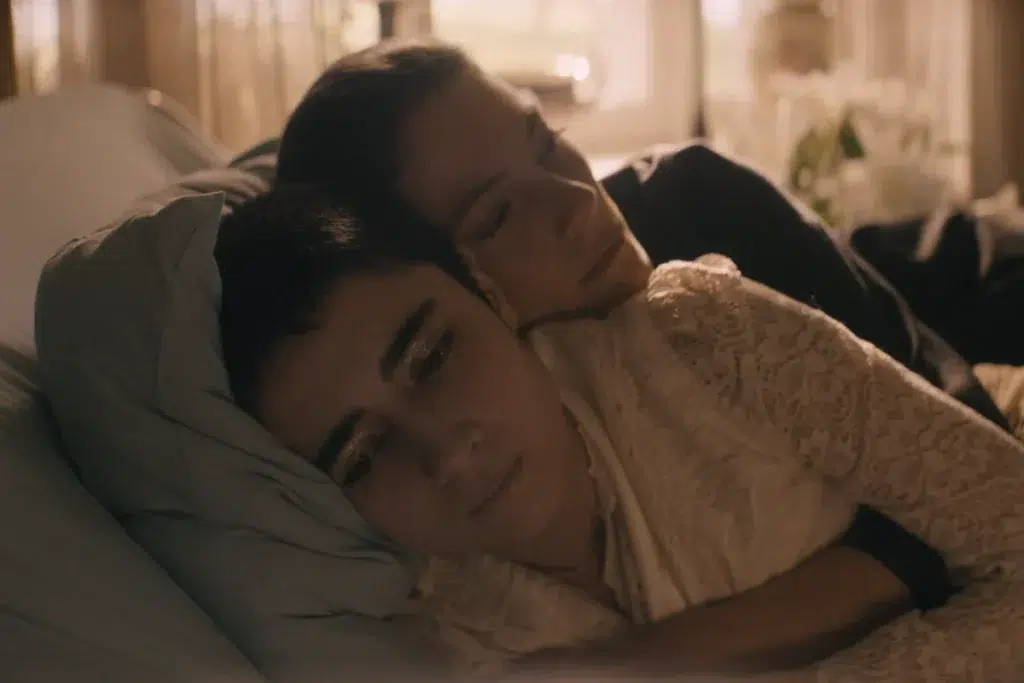
Poupart chose the 2:35 anamorphic format for its immersive qualities: framing faces closely and placing the characters within vast landscapes. Water recurs as a central motif: what rises to the surface, what is buried, the unconscious. The opulent house deteriorates under the elements while the sisters remain frozen. Nature reclaims its territory. This contrast between the beauty of the setting and the violence of the story is deliberate, intentional.
The music, composed by Mathieu David Gagnon and inspired by Rachmaninov and Romanticism, is entirely in D minor. Poupart had listened to Rachmaninov and Shostakovich while writing the screenplay and was keen to open the film with a piece by the Russian composer. In the story, the father was a musician, and his daughters played the piano. Music is both a legacy and an outlet.
The film is produced by Bravo Charlie, a company co-founded in 2013 by Étienne Hansez, whose catalogue includes Sophie Dupuis' three feature films: Chien de garde , Souterrain and Solo , the latter having won the Best Canadian Film Award at TIFF in 2023.
Where Souls Go opens with a quote from writer Caroline Dawson: "Illnesses are places of solitude." This is perhaps the best way to summarize what the film does, not explain, but make you feel what it's like to be there, on the edge of something irreversible, with the people you love and have lost along the way.
Where do souls go?
A film by Brigitte Poupart. Starring Monia Chokri, Sara Montpetit, Julianne Côté, and Sylvie Testud. Produced by Bravo Charlie.