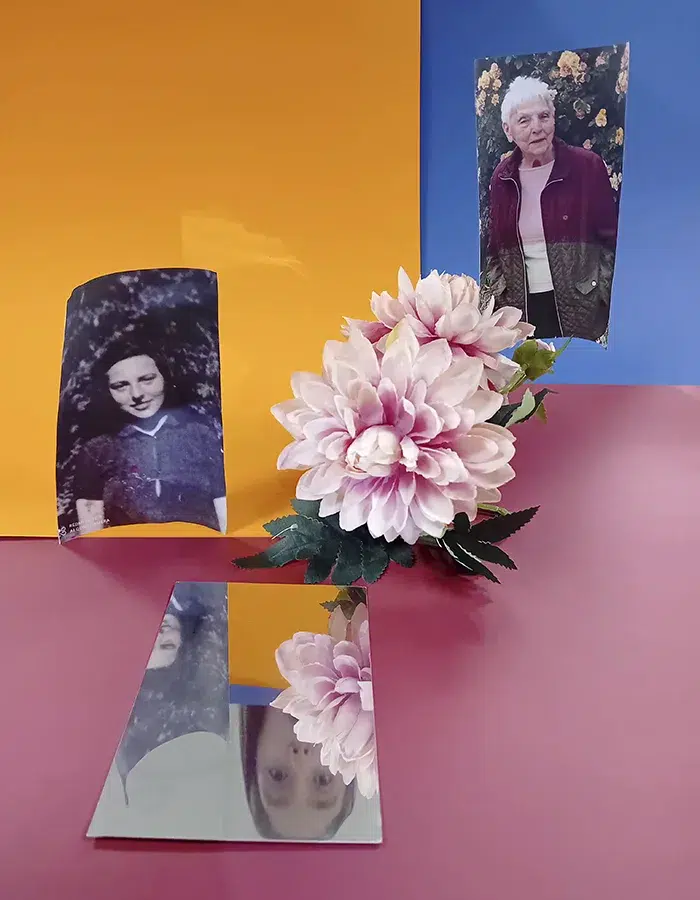
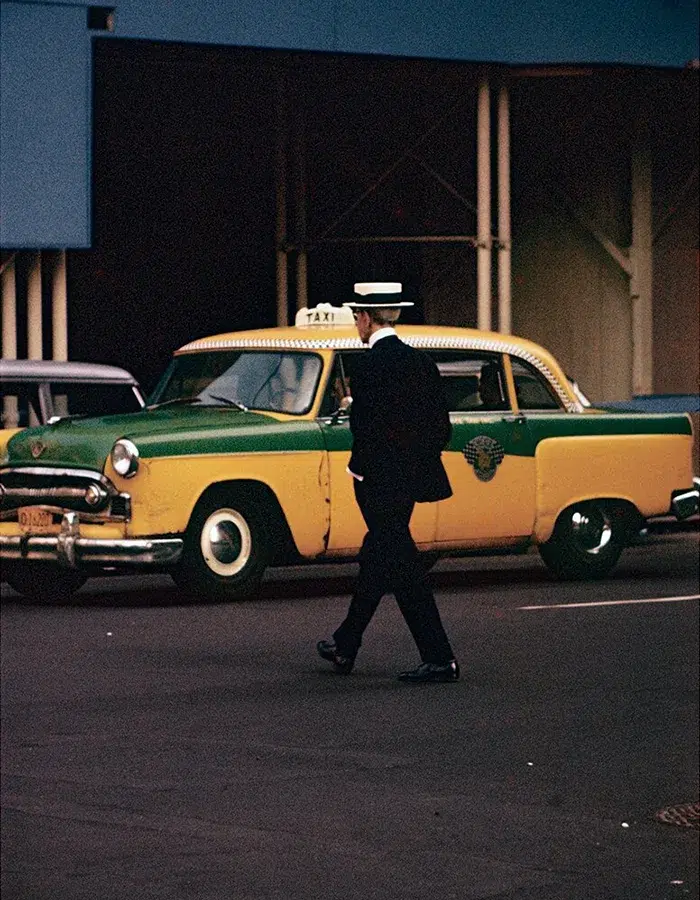
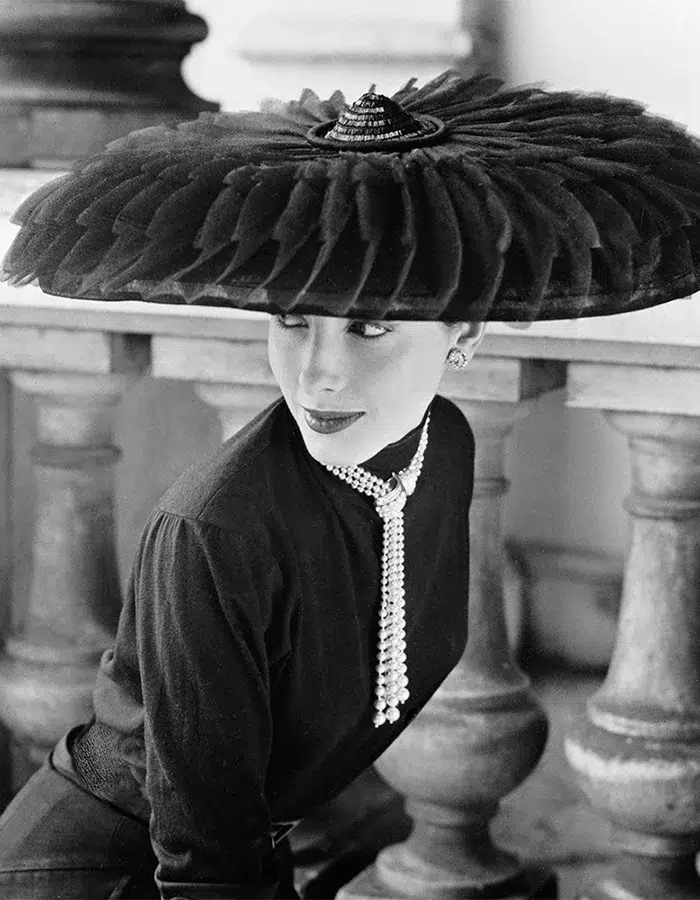
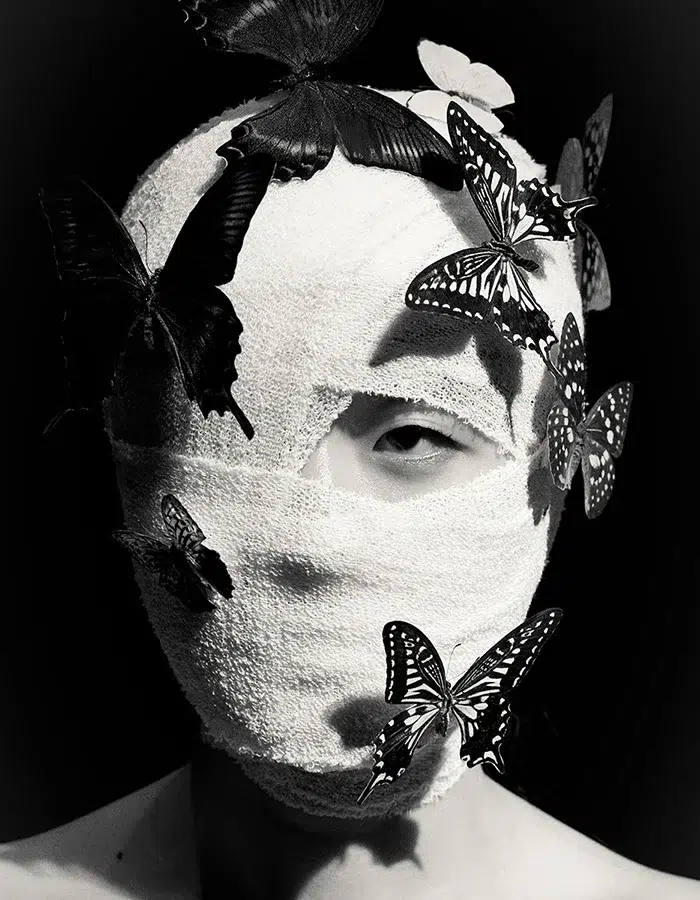
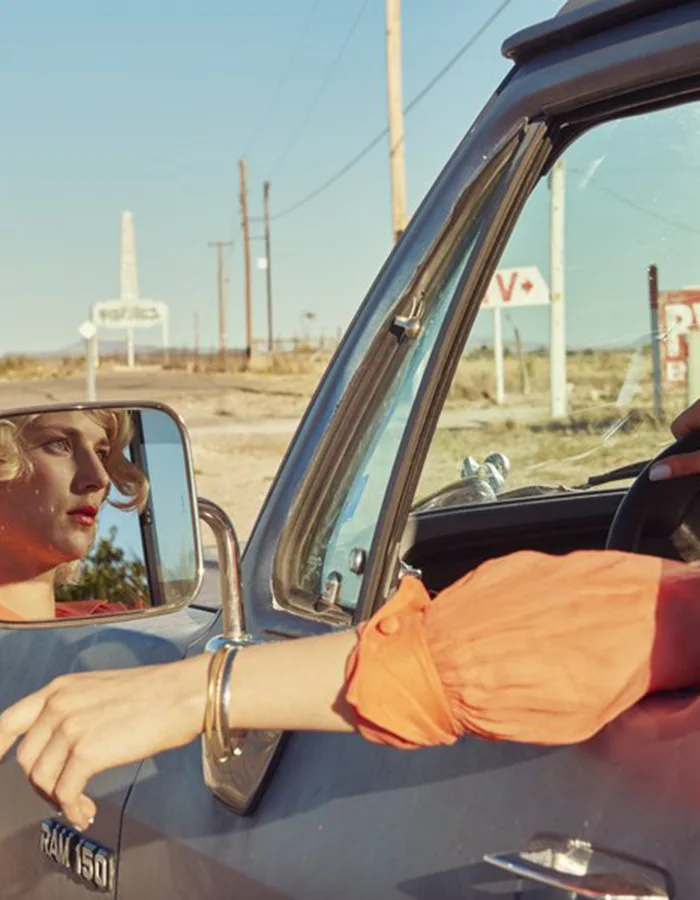
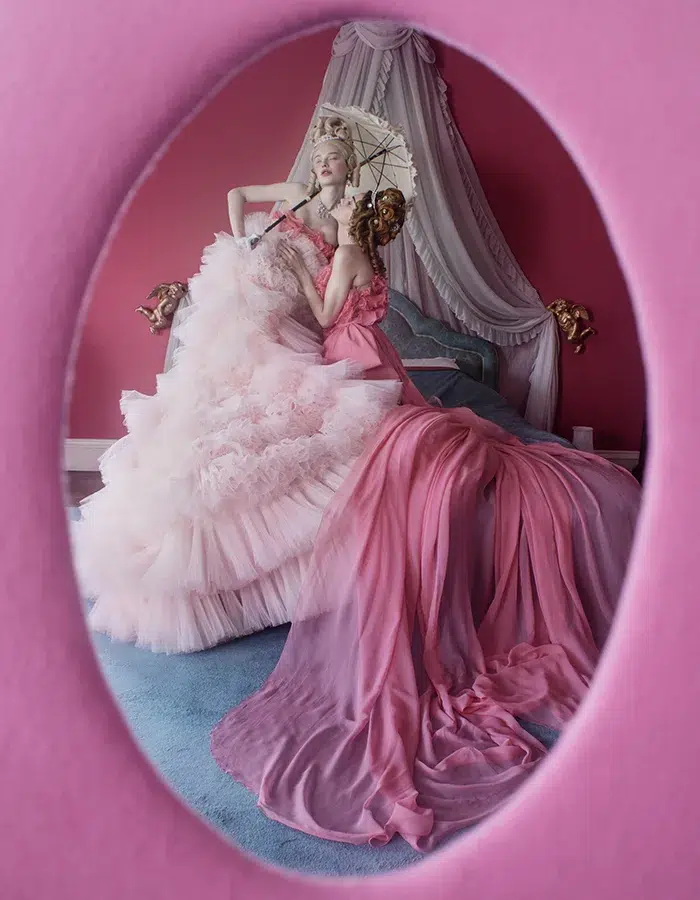
The Fahey/Klein gallery in Los Angeles is dedicating a retrospective, the first in thirty years, to this iconic photographer and portraitist in a constellation of legendary images, personal archives, Polaroids and unpublished works.

© Albert Watson, courtesy of Fahey/Klein Gallery, Los Angeles
“Find the beauty that others don’t see, and capture it with your camera.” The Fahey/Klein gallery continues to delight us with its new exhibition dedicated to Albert Watson (1942–), one of the most influential masters of photography alongside Irving Penn and Richard Avedon. Through a rich body of work, the Californian institution traces the legacy of this Scottish legend, who began his career in Los Angeles in the 1970s. Since then, most of his photographs have become iconic, etched in the collective memory. Albert Watson helped shape the history of the medium by building his own unique approach, straddling fashion, art, and celebrity portraiture, with compositions where narrative vies with aesthetics.

© Albert Watson, courtesy of FaheyKlein Gallery, Los Angeles
AN UNRIVALED CATALOGUE
He is known for his portraits of Alfred Hitchcock, which brought him fame in 1973, as well as those of Steve Jobs, Jack Nicholson, Keith Richards, David Bowie, and supermodels such as Kate Moss, Cindy Crawford, and Christy Turlington. He also worked beyond the boundaries of style, capturing desert landscapes of Las Vegas, neon-lit cities, and artifacts from Tutankhamun.
Titled "No Idle View," this first retrospective highlights the breadth and diversity of Albert Watson's portfolio. His distinctive style combines a textured approach, a graphic touch, and a cinematic sensibility—elements he has always drawn from his studies in graphic design and film.
The result is a body of work spanning more than fifty years of his career that shines beyond genres, eras, and the framework in which it seems to exist. "Many of my photos are confrontational and controlled; they are based neither on observation nor voyeurism. My aim is to create something strong, powerful, memorable, interesting, and technically correct, not lazy," he explains in the gallery's press release.

© Albert Watson, courtesy of Fahey/Klein Gallery, Los Angeles
BETWEEN CHIAROSCURO, INTENSITY AND POETRY
But Albert Watson's greatness also and above all stems from his disability, which he turned into a photographic strength. Blind in one eye from birth, he became the champion of "contrasts and delicate compositions, using the physical features of the human body to create formal and sculptural images."
The exhibition at the Fahey/Klein gallery thus restores the brilliance and glory of this eclectic virtuoso of visual art. With over 100 Vogue covers to his credit, Albert Watson has been published in a plethora of magazines, from Rolling Stone to Time Magazine and Harper's Bazaar. He has also released several monographs, including Cyclops (1994), Kaos (2017), and Creating Photographs (2021). In the book Albert Watson: A Vision of Photography (Éd. Eyrolles, 2021), based on one of his masterclasses, he reveals the secrets behind the creation of his most striking images.
While his work has joined the collections of major museum institutions, the Los Angeles gallery also points out that Queen Elizabeth II awarded him the Order of the British Empire (OBE) in 2015 for his lifetime contribution to the art of photography.
“ALBERT WATSON: NO IDLE VIEW” FAHEY/KLEIN GALLERY
148 NORTH LA BREA AVENUE, LOS ANGELES (USA)
UNTIL JANUARY 11, 2025
FAHEYKLEINGALLERY.COM