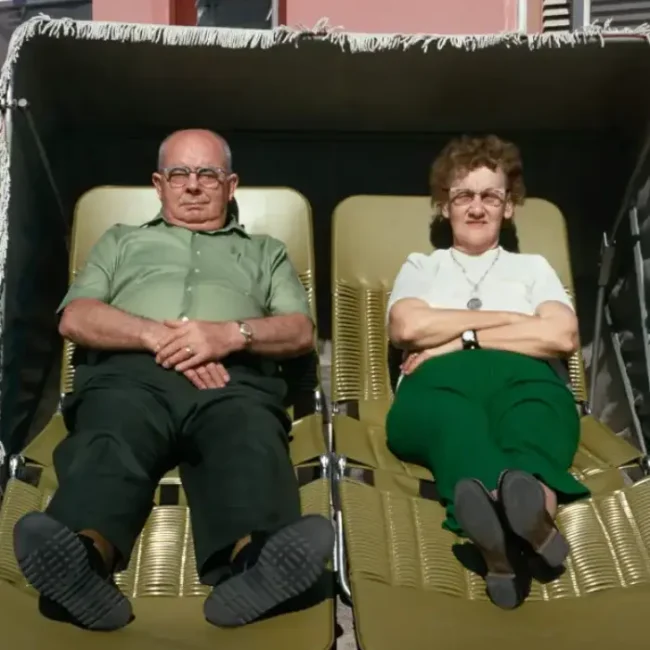

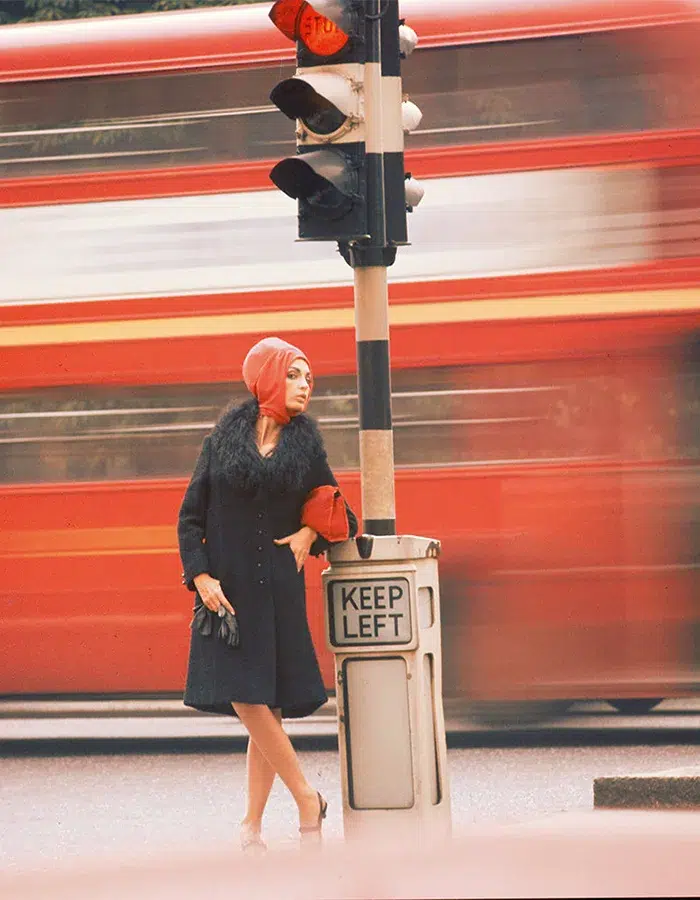
Long before fashion photography celebrated movement, spontaneity, and escapism, Norman Parkinson had already made them his signature. A key figure in 20th-century British photography, he profoundly transformed the way fashion was viewed by taking models out of the studio and into the real world. His work, at once elegant, bold, and timeless, continues to inspire photographers, designers, and art directors today.
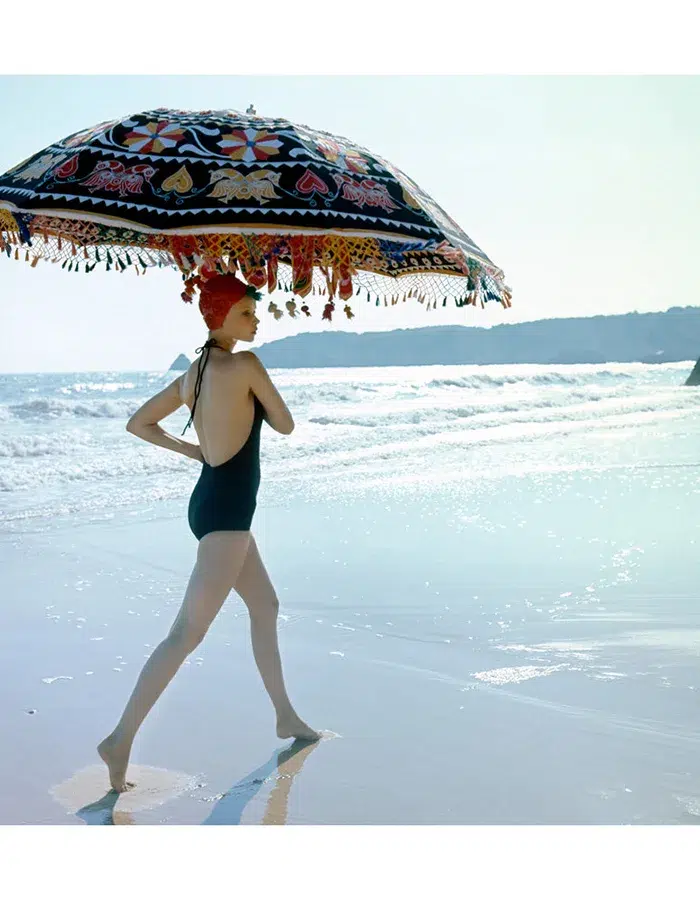
Born Ronald William Parkinson Smith in London in 1913, Norman Parkinson began his career in the early 1930s as an assistant in a photography studio before opening his own in 1934. His talent was quickly recognized by Harper's Bazaar , then by Vogue , with which he would maintain a collaboration for several decades. At a time when fashion images were still static and theatrical, he established a new aesthetic: women in motion, photographed in the streets, in gardens, on beaches, or atop skyscrapers, far removed from the artificial sets of the studio.
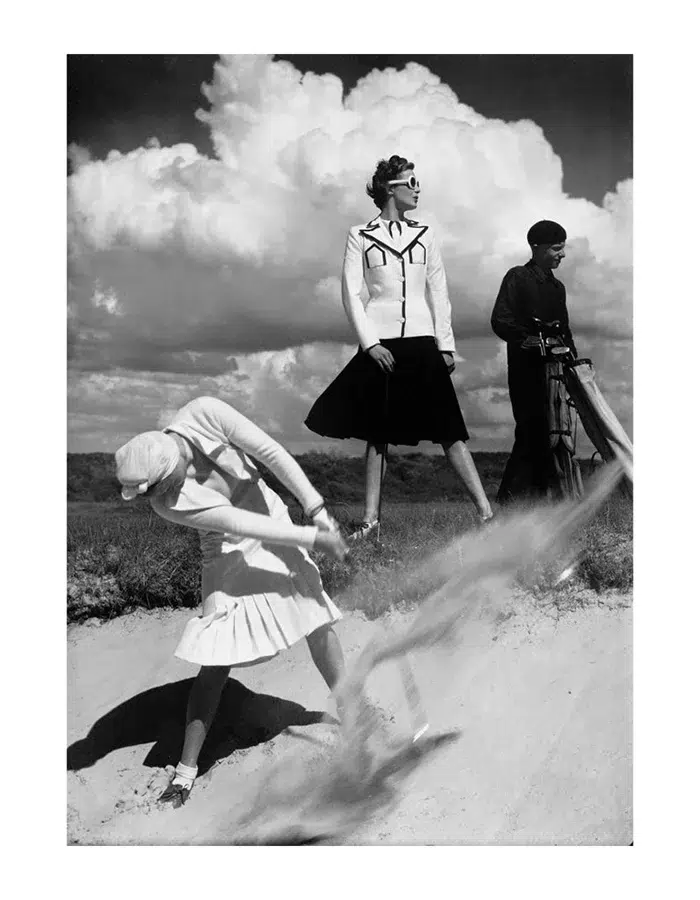
© Norman Parkinson, Golfing at Le Touquet, 1939
This visual revolution accompanied the transformations of post-war society. Norman Parkinson went beyond photographing clothing: he told a story of a lifestyle. His compositions exude freedom, humor, and effortless elegance. The models seem to be fully present in the moment rather than posing for the camera. This approach gave rise to a more narrative style of fashion photography, where the setting becomes a character in its own right.
Throughout his career, Norman Parkinson collaborated with the biggest names in fashion. Creations by Dior, Chanel, Lanvin, and Yves Saint Laurent passed before his lens. He also photographed the models who would become icons of their generation, including Carmen Dell'Orefice, Jerry Hall, Iman, and Twiggy. His vision helped shape the image of the modern woman: independent, sophisticated, yet always natural.
His talent, however, was not limited to fashion. He created numerous iconic portraits of figures from the worlds of culture, film, and politics. Members of the British royal family were also among his favorite subjects; his famous portrait of Queen Elizabeth II, taken for her Jubilee in 1985, perfectly illustrates his ability to combine solemnity and intimacy, without ever losing his sense of composition.
One of Norman Parkinson's greatest strengths lies in his mastery of color. From the 1950s onward, he embraced color techniques with remarkable modernity, playing on contrasts, spectacular landscapes, and natural light that lend his images a freshness that remains astonishing even today. His photographs taken in India, the Caribbean, and Africa testify to his love of travel and a constant curiosity for new horizons.
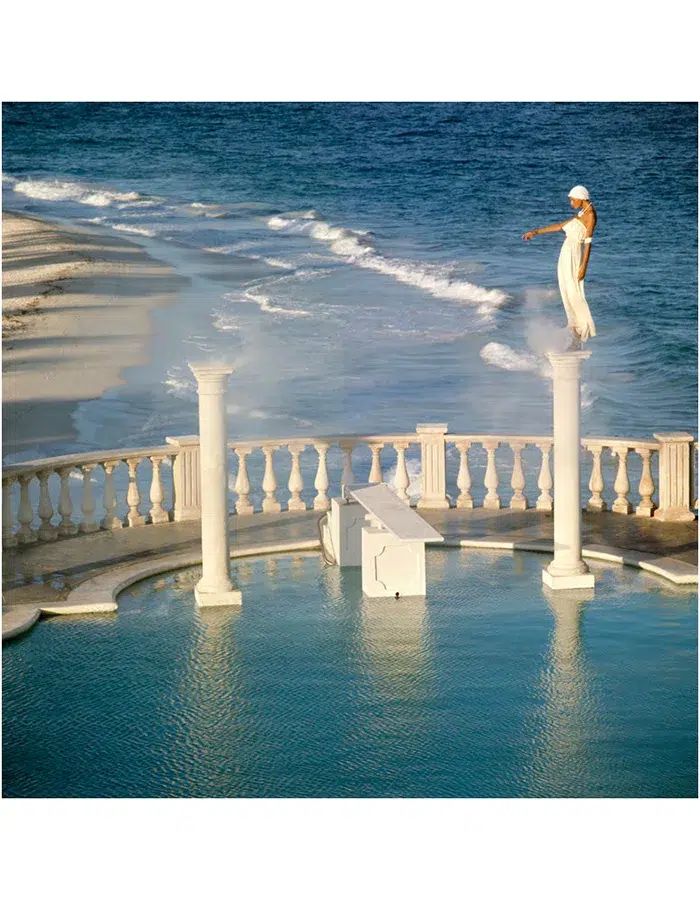
His influence extends far beyond his era. Photographers like Peter Lindbergh, Ellen von Unwerth, and Mario Testino have acknowledged the importance of his legacy in the evolution of fashion photography. Where his contemporaries sometimes sought formal perfection, he prioritized energy, personality, and emotion—a philosophy that resonates particularly strongly with contemporary expectations of authenticity.
Norman Parkinson passed away in 1990 in Singapore, while on assignment for Town & Country Magazine , his camera in hand until his final days. His extensive archives continue to be preserved and disseminated today by the Norman Parkinson Archive, allowing new generations to discover a vision that changed the history of fashion photography.
At a time when photography oscillates between digital sophistication and the quest for spontaneity, Norman Parkinson's work reminds us that a great image is not solely based on technique: it is born from a vision capable of capturing movement, elegance, and personality in a single instant. More than thirty years after his death, his style remains an absolute benchmark, proof that an authentic vision transcends eras without ever losing its modernity.