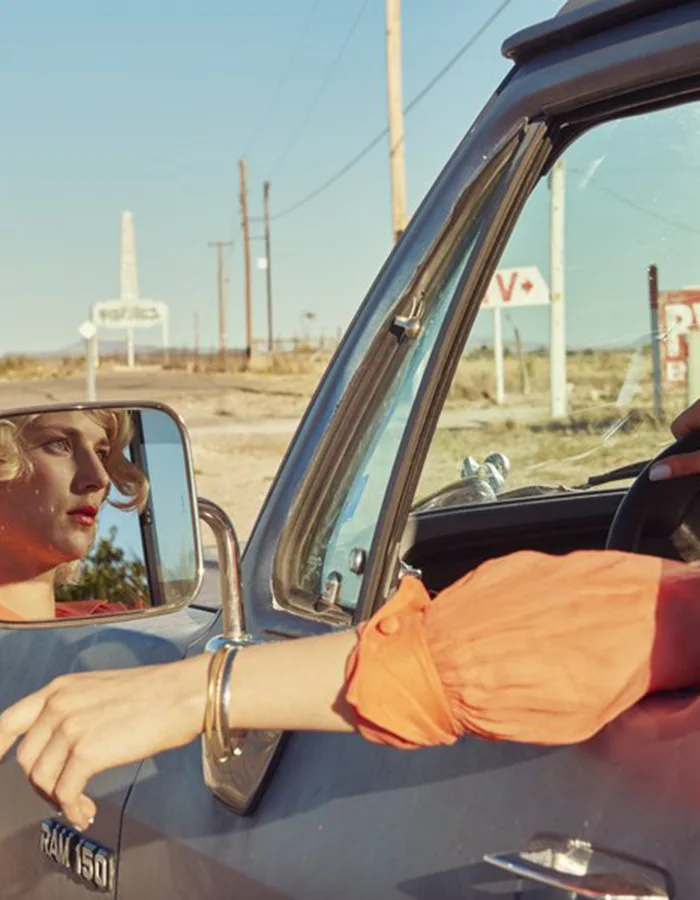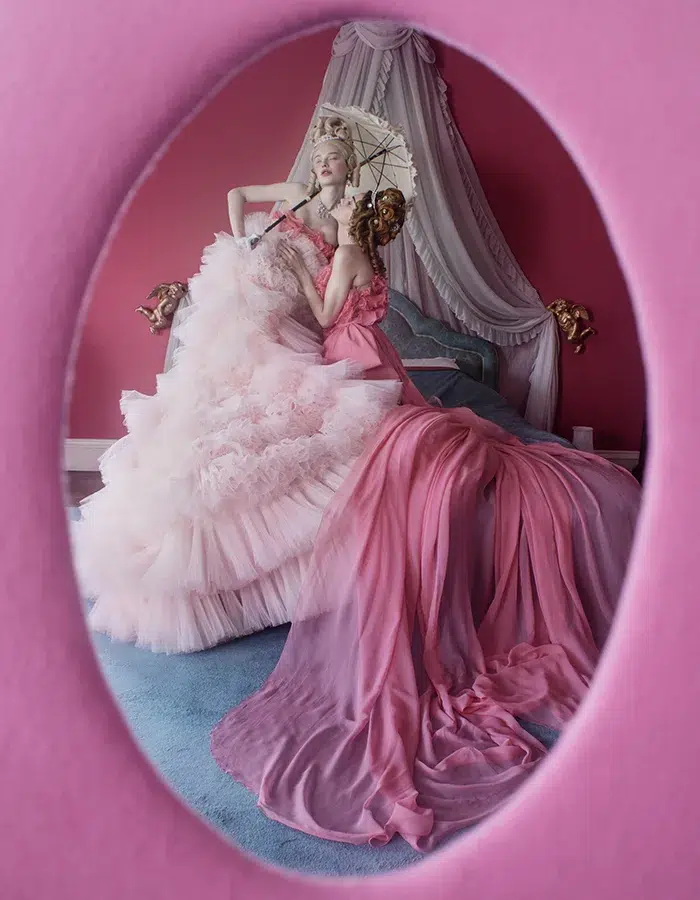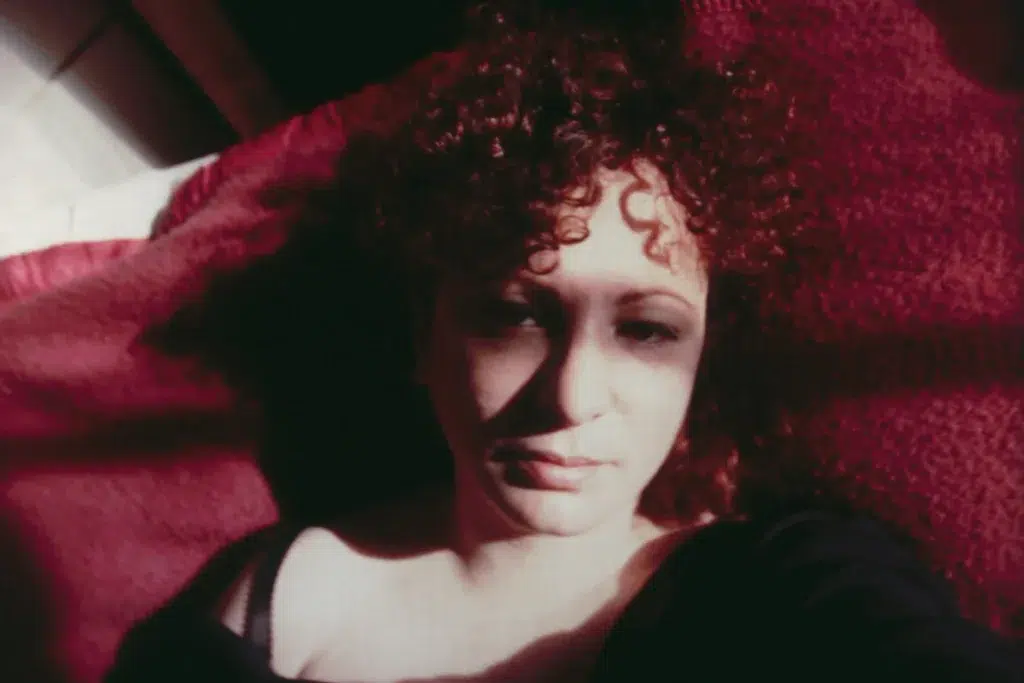
To mark the bicentenary of photography, the Maison Européenne de la Photographie presents a journey through the Neuflize OBC collections and its own holdings. From A to Z, 36 artists, no chronology, and a way of viewing the images that evolves along the way.
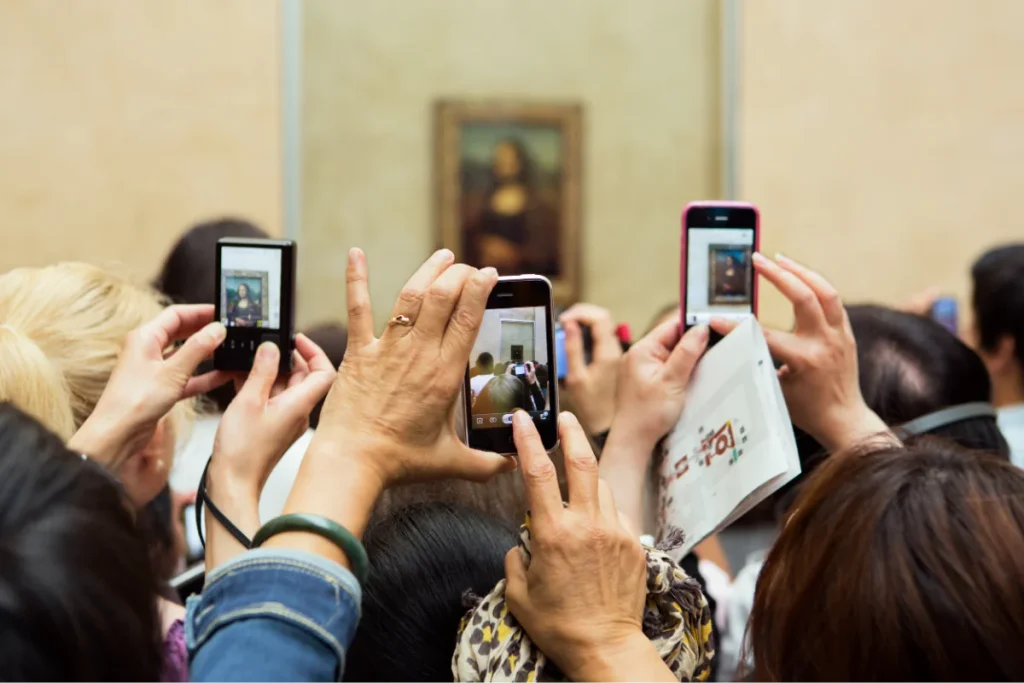
What do a summer camp, Nigerian women's hairstyles, a self-portrait, and a Rio beach have in common? At first glance, nothing. This is precisely the starting point of "Photography in Full," a group exhibition structured like an alphabet book, where each letter becomes a word and each word evokes a set of works. Far from any linear narrative, the exhibition's layout, conceived by curator Clothilde Morette, draws inspiration from John Berger's founding principle in Ways of Seeing (1972): "seeing precedes the word." We perceive first, then we name.
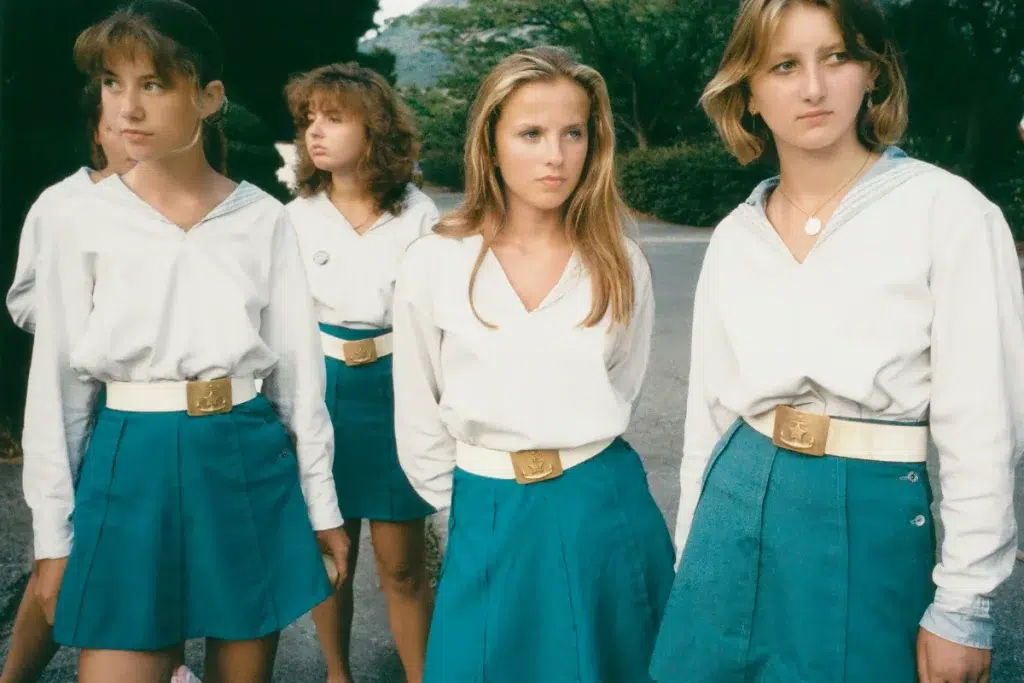
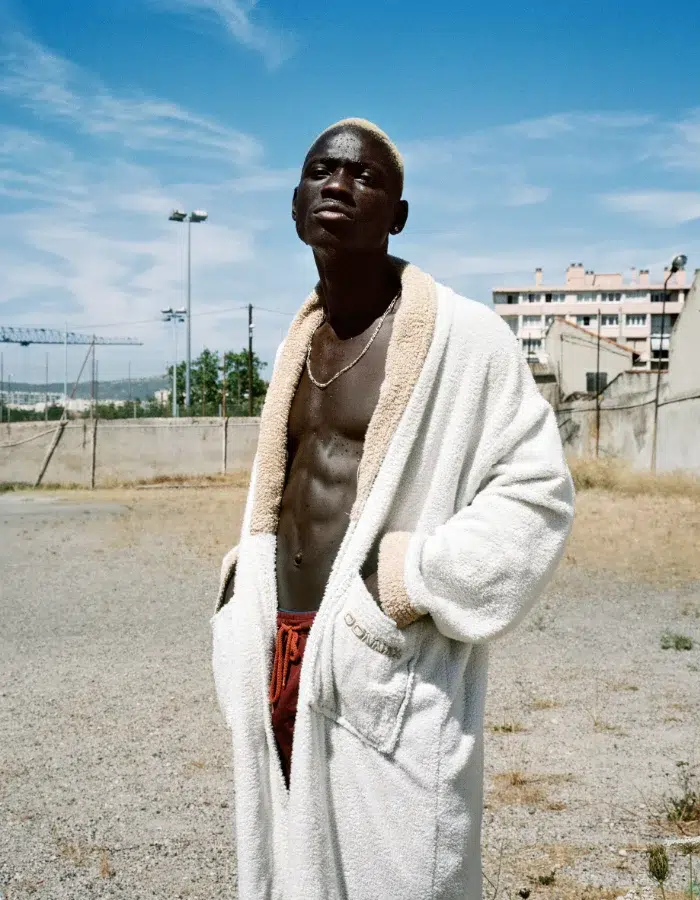
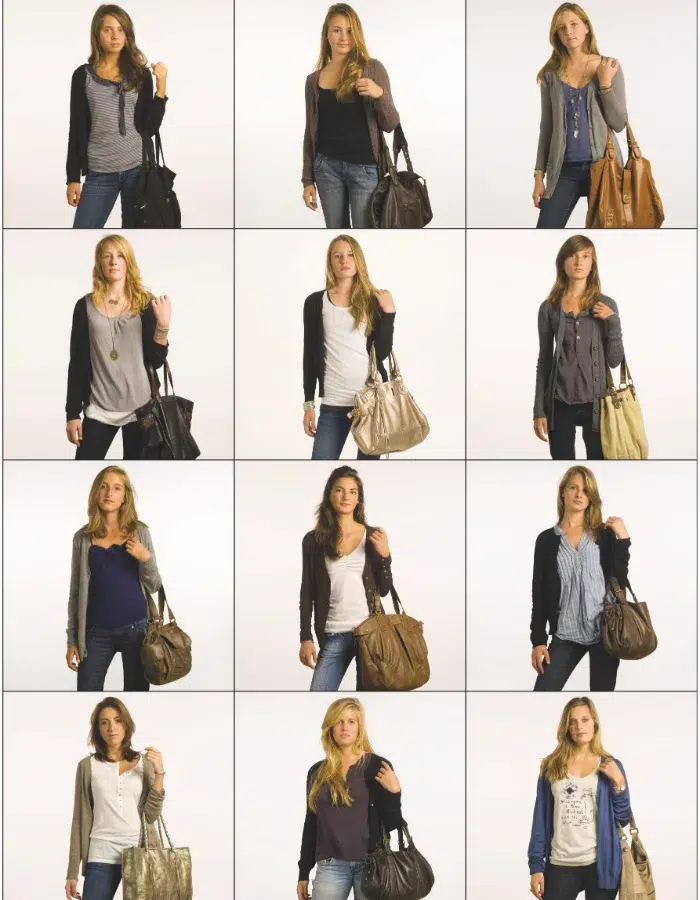
Let's take the word Adolescence. In 1994, Claudine Doury photographed young girls at a summer camp in Crimea: uniforms, distant gazes, something suspended between childhood and what comes after. Twenty-five years later, Yohanne Lamoulère photographed Marseille with the same attention to this in-between state. The two images are not alike. But placed side by side, they define something that neither could express on its own. That's what an abecedary is: the word creates the encounter, and the encounter creates meaning.
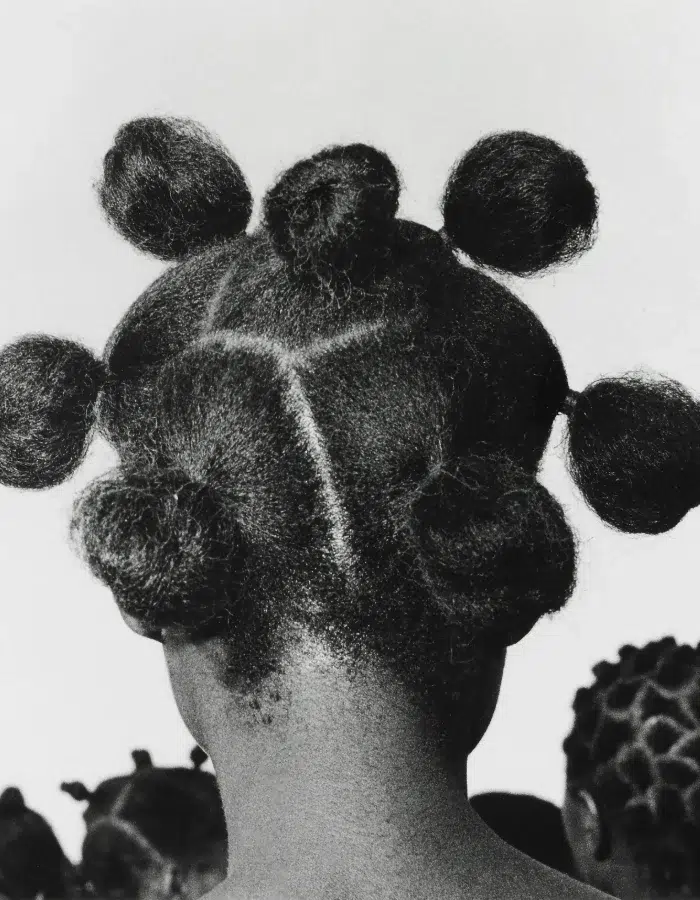
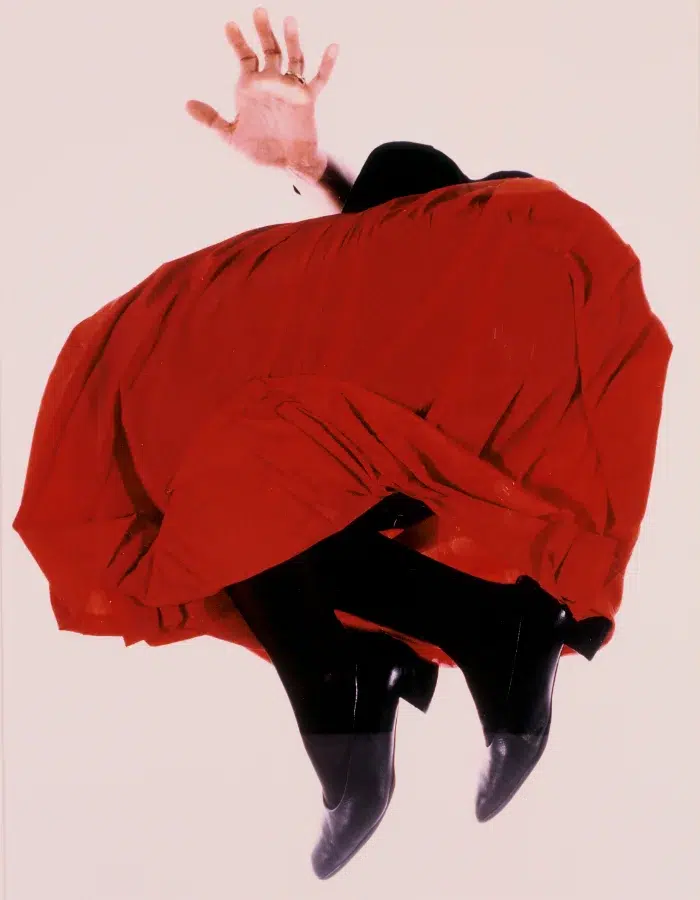
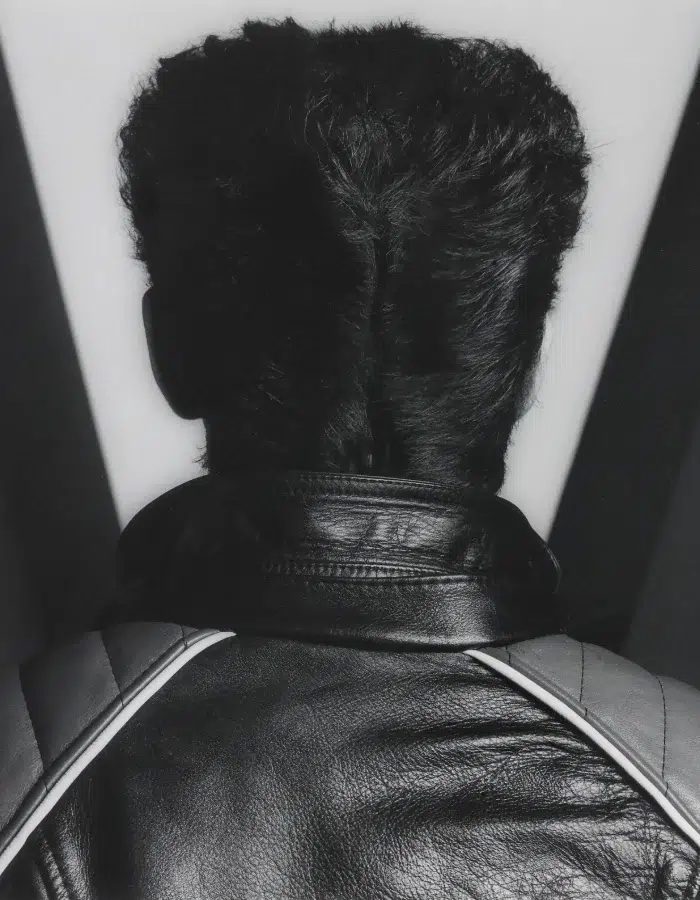
The same logic operates around the words Back, Reverse, Front. JD 'Okhai Ojeikere spends his life photographing the backs of Nigerian women's hairstyles. Robert Mapplethorpe offers his own neck as a sculpture. Patrick Tosani photographs bodies from below until they become unrecognizable. Three ways of saying that the body has no fixed place, that the gaze can always shift it.
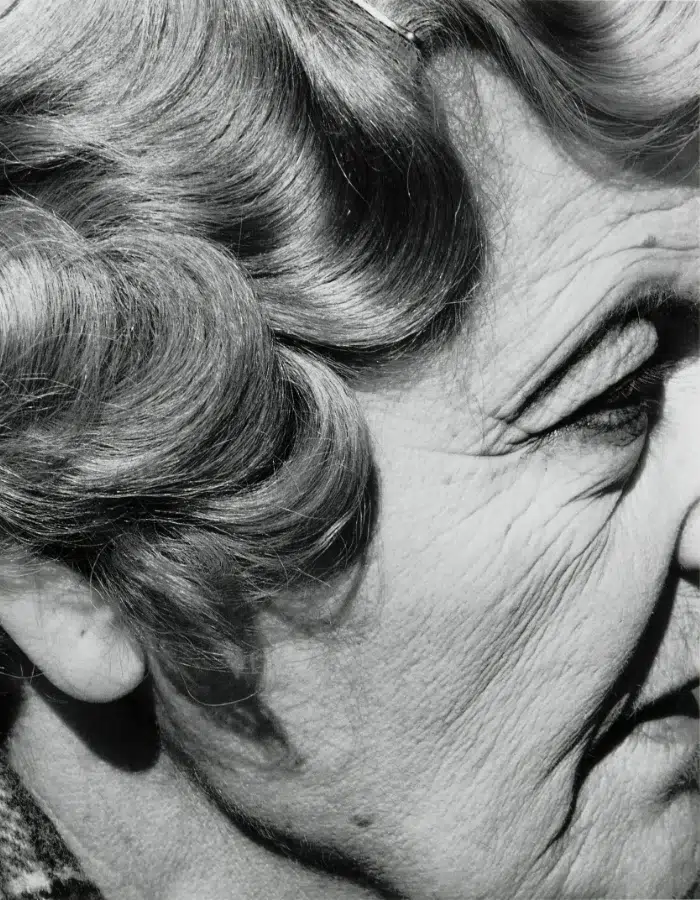
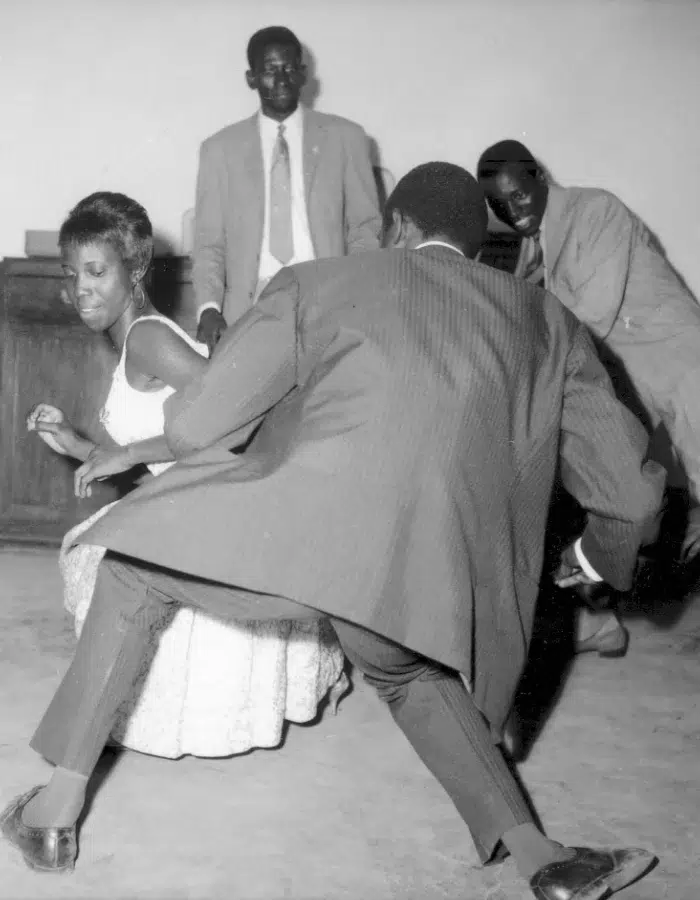
David Goldblatt, for his part, frames the face of an elderly woman in extreme close-up: wavy hair, wrinkled skin, her gaze distant from the frame. This portrait, which rejects the very notion of portraiture, speaks more of the passage of time than of the identity of the woman photographed. We search for the word, but it eludes us. Perhaps that is what photography is. Malick Sidibé dances the twist in 1965, a photograph categorized under the title Noctambule. An image of pure joy, but also a document of an era, of freedom, of modernity.
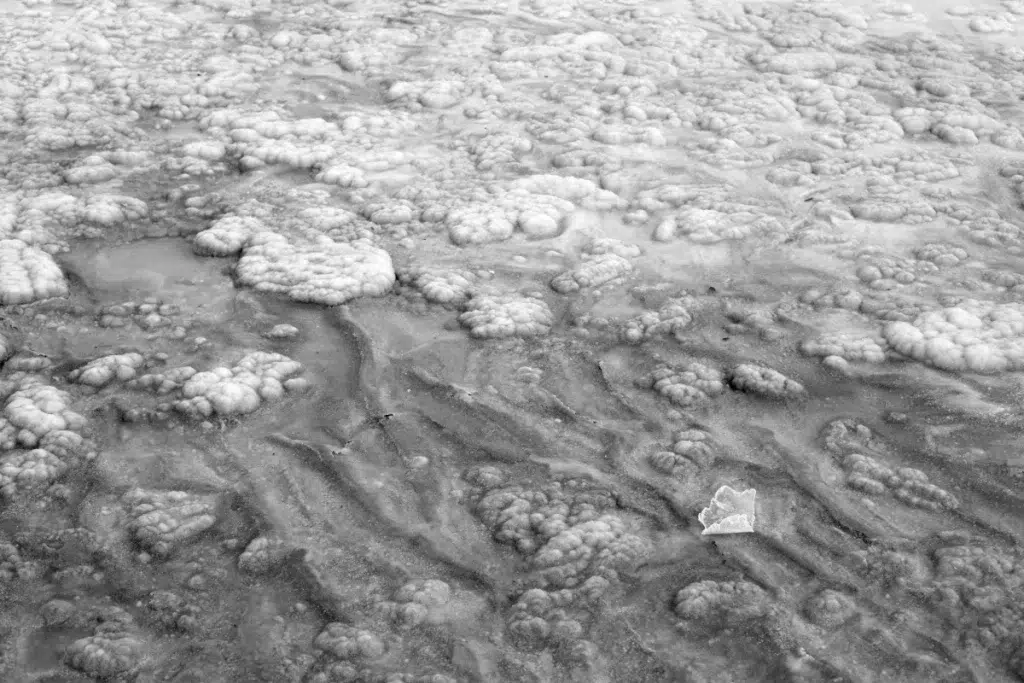
Under the title "Geography," Ilanit Illouz crystallizes her images of the Dead Sea in salt collected on site. Photography is no longer just an image; it is a material, a physical trace of the place it represents.
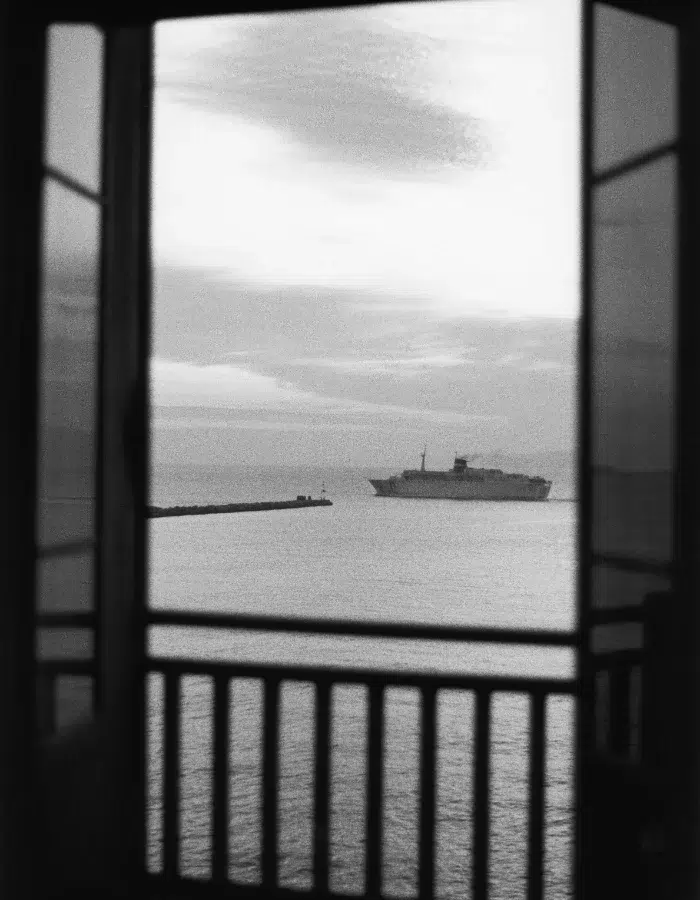
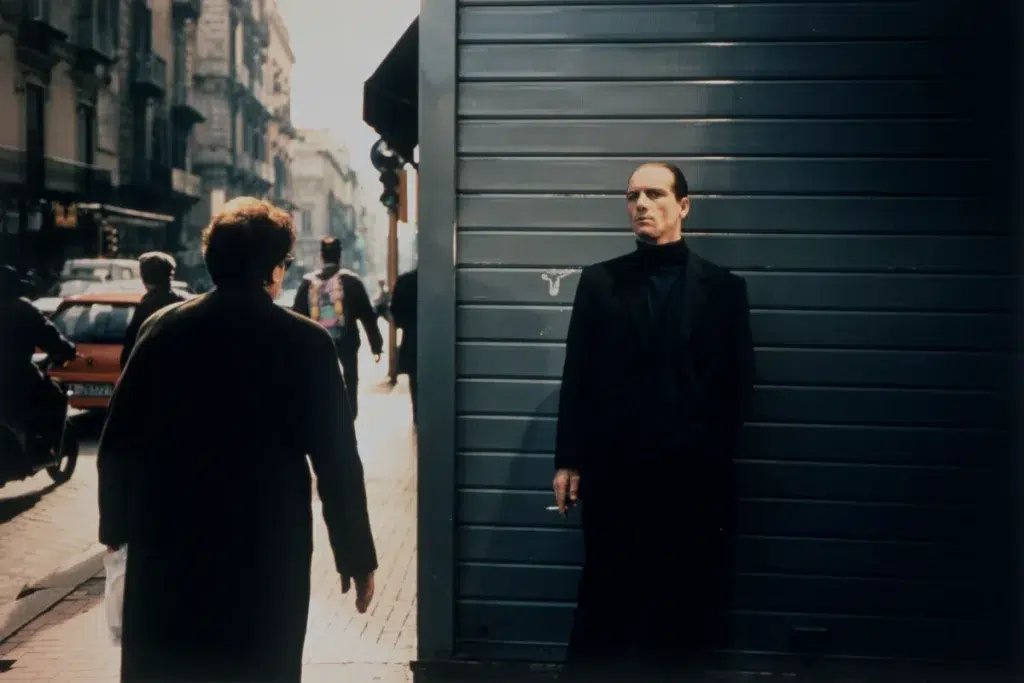
Under Truth, Philip-Lorca diCorcia photographed Naples in 1996 with such carefully crafted lighting that it transforms the mundane into a scene.
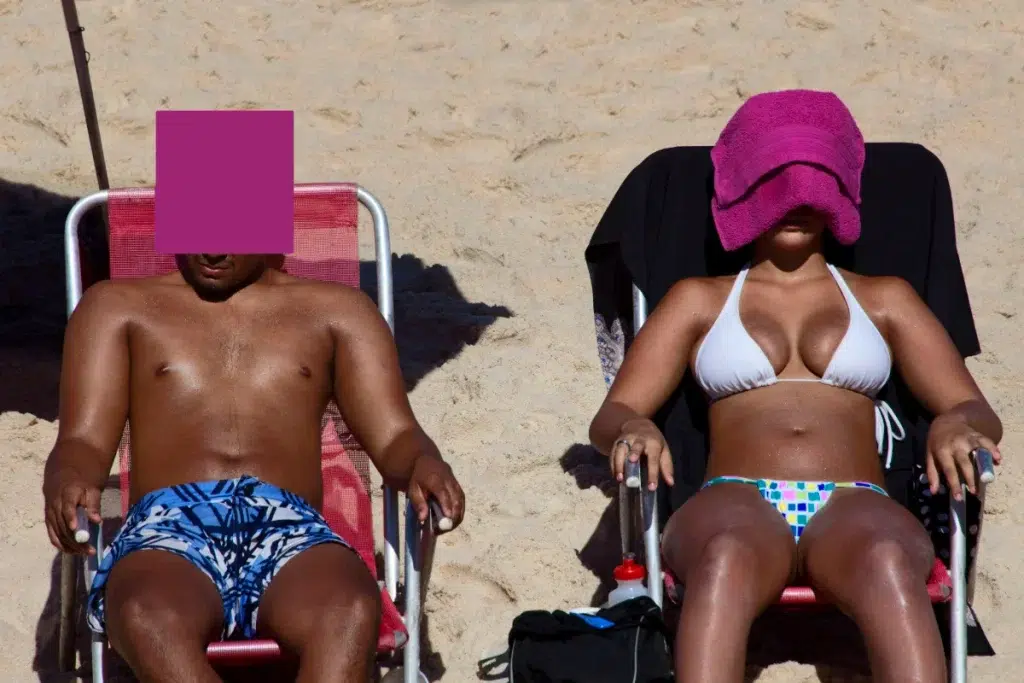
Rogério Reis's image on Ipanema beach falls into the "Weekend" category, with its sun-drenched bodies and apparent lightness. And behind the seemingly most innocuous word in the alphabet, a reflection on public space, visibility, and the right to pleasure subtly emerges.
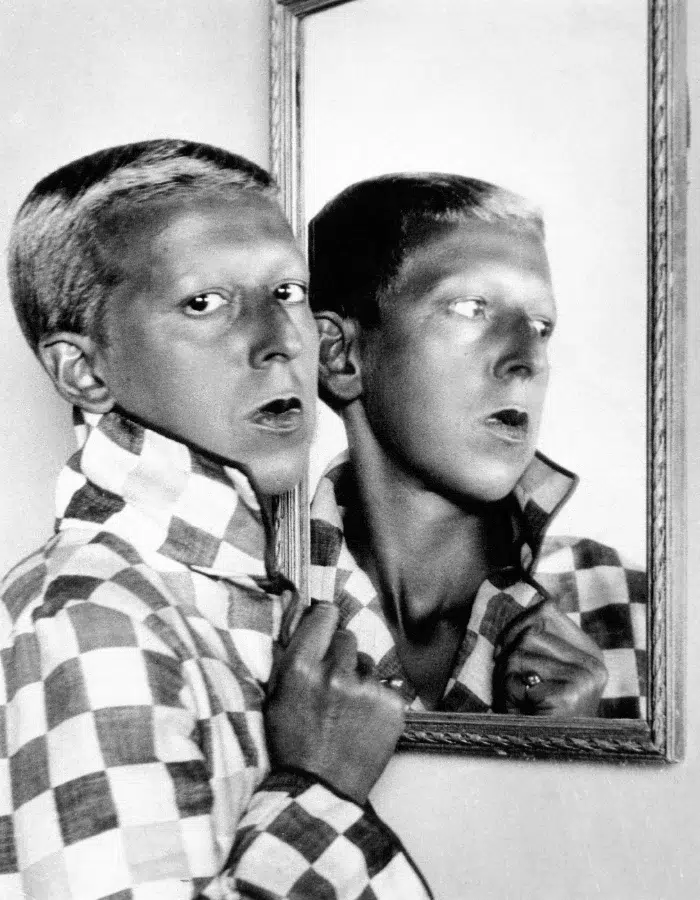
And then there's Claude Cahun, whose Self-Portrait with Mirror (circa 1928) is the exhibition's poster image. Mirror within a mirror, gaze within a gaze. But then, how do you name an image that multiplies identities rather than fixing one? The exhibition doesn't offer a name. The rest is up to you. What word would you use to describe it?
What "Photography in Full" achieves is to show that these 11 works, and the 25 others that accompany them, do not need a chronology to speak to each other. They need to be viewed together, in the fertile disorder of an alphabet that refuses to explain everything.
"Photography in plain language"
European House of Photography
5/7 rue de Fourcy, Paris 4th
Until September 13, 2026